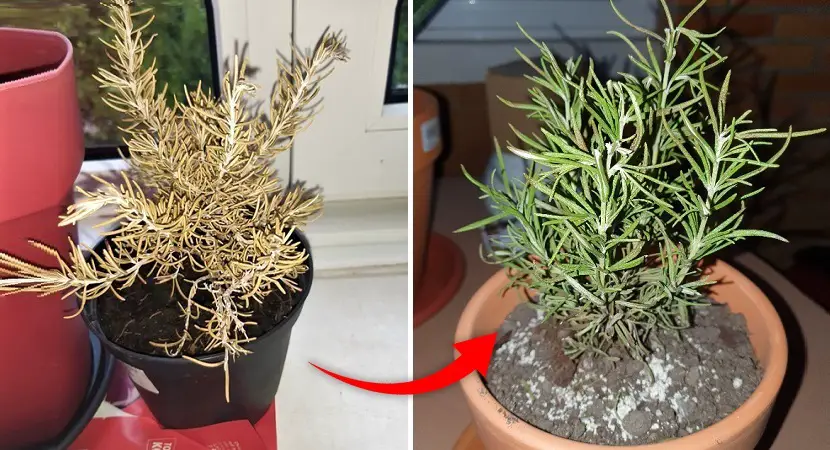
Rosemary is a cherished herb in many gardens, renowned for its invigorating aroma and culinary versatility. However, despite its resilience, rosemary can sometimes dry up if its care requirements aren’t met. Here’s a guide to diagnosing and remedying common issues that might be causing your rosemary to suffer.
1. Location Problems
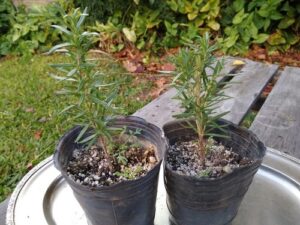
Problem: Rosemary originates from the Mediterranean, thriving in sunny, warm environments. It’s not ideally suited for indoor conditions where it often lacks adequate light and warmth, leading to drying out.
Solution: If your rosemary is indoors, move it to the sunniest spot available, ideally in a garden or on a patio where it can receive plenty of sunlight. If an outdoor location isn’t feasible, place the plant in the sunniest area of your home. Gradually acclimate the plant to its new location to minimize shock.
2. Drainage Issues
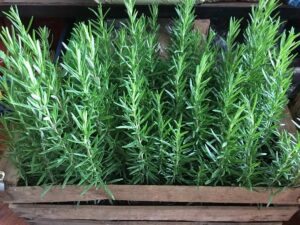
Problem: Rosemary is adapted to arid conditions and struggles with excessive moisture. Clayey soil, which retains water, can lead to root rot and drying from the bottom up.
Solution: Ensure your rosemary is planted in well-draining soil. To improve drainage, mix in compost or organic matter with perlite or vermiculite. If vermiculite is unavailable, dried horse manure can serve as an affordable alternative, improving soil aeration. Consider planting your rosemary on a raised bed or mound to enhance drainage and prevent waterlogging.
3. Irrigation
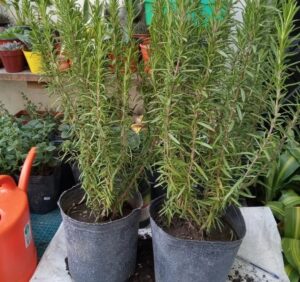
Problem: Rosemary prefers to be on the dry side. Overwatering can lead to root rot, while underwatering might cause it to dry out from the stem.
Solution: Allow the soil to dry out between waterings. Before watering again, check the soil’s moisture level. To combat fungal issues from excess humidity, use antifungal additives like a 2/10 horsetail decoction, which also strengthens the plant due to its high silica content.
By addressing these common issues—proper location, soil drainage, and careful irrigation—you can help your rosemary thrive and enjoy its aromatic benefits in your garden.