Seeing your garden in full bloom is one of the greatest joys for any plant enthusiast. However, it can be disheartening when your plants don’t flower despite your care. Fortunately, understanding and addressing common issues can help you achieve a vibrant, blooming garden.
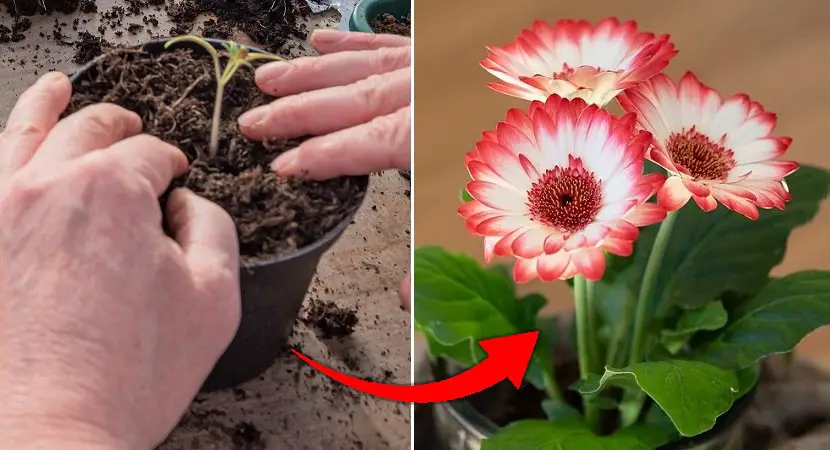
Here are some reasons why your plants might not be flowering and practical solutions to encourage them to bloom:
1. Light
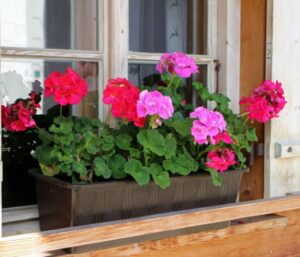
Problem: Adequate sunlight is crucial for flowering plants. Without enough light, plants may grow tall and leggy, reaching for the light source, and the branches may grow unevenly. Plants deprived of light will struggle to complete their growth cycle and produce flowers.
Solution: Research the specific light requirements of your plants. Each type has its own needs for sunlight. Once you know these requirements, adjust the placement of your pots to ensure they receive the right amount of light. For plants that thrive in bright light, position them in sunny spots, while those needing indirect light should be placed accordingly.
2. Irrigation
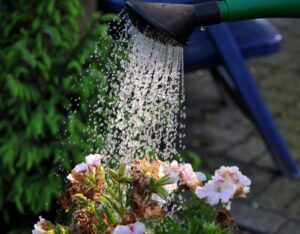
Problem: Both overwatering and underwatering can prevent plants from flowering. Excess water can lead to root rot, while insufficient water forces the plant to focus on survival rather than blooming.
Solution: Understand the water needs of your plants. For those prone to overwatering, ensure the pot has good drainage, and consider adding gravel to the bottom to aid in this. For plants needing more moisture, water them regularly but avoid waterlogging. Group plants with similar watering needs together to simplify care.
3. Lack of Nutrients
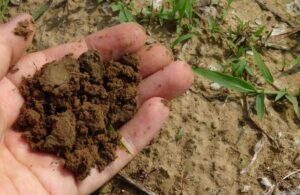
Problem: Plants require specific nutrients to flower. Key nutrients for blooming are potassium and phosphorus. Too much nitrogen can lead to excessive foliage at the expense of flowers.
Solution: Create a natural fertilizer by macerating coffee grounds in water and soaking onion peels in water separately. After 24 hours, strain both mixtures and combine them in equal parts. Dilute the resulting extract to 50% strength and use it to water your plants. This homemade fertilizer will provide essential nutrients and encourage blooming.
4. Incorrect Pruning

Problem: Pruning at the wrong time or over-pruning can remove potential flower buds and impact the plant’s ability to bloom. Pruning during inappropriate times, such as midsummer, can also stress the plant.
Solution: The best time to prune most plants is in autumn or winter. During these seasons, the plant’s energy is focused on the roots, and it can handle pruning better. Avoid excessive pruning and be mindful of the plant’s natural growth cycle.
By addressing these common issues and applying the right solutions, you can help your plants thrive and produce beautiful blooms. Share your plant’s progress and blooming results in the comments—we’d love to see how your garden flourishes!