Planting matches in pots can be a smart and effective way to address certain issues faced by houseplants, particularly with regards to pest control and plant health. Here’s why it can be beneficial:
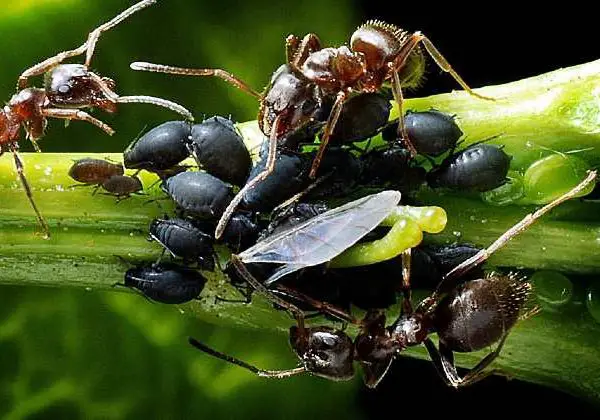
- Natural Pest Control: Matches contain sulfur, phosphorus, and fluorine in the match head, which can act as natural repellents against pests like flies and other insects. These compounds help deter pests from feeding on plant tissues, thereby protecting the plants from damage.
- Cost-effective Solution: Using matches as a pest control method is relatively inexpensive compared to buying specialized pest control products from stores. It’s a budget-friendly alternative that can yield effective results.
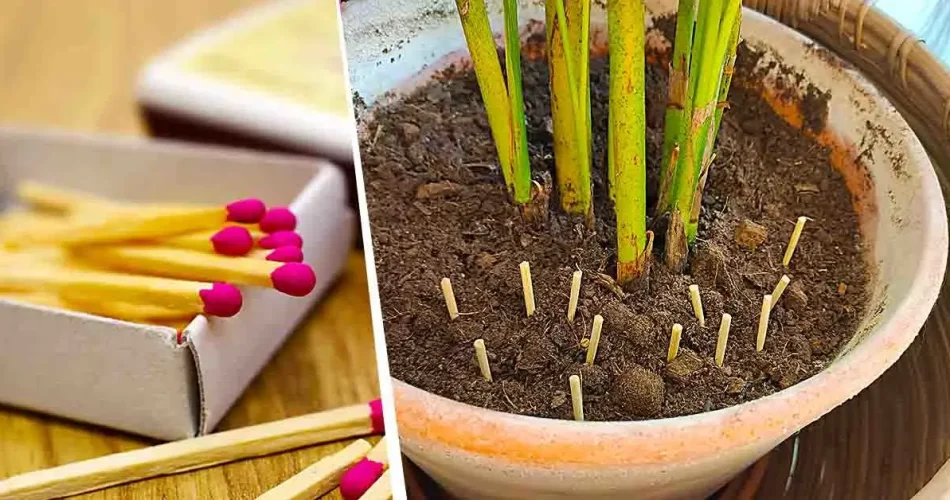
- Safe and Easy to Apply: Planting matches in pots is a safe and easy method that doesn’t involve harmful chemicals or complicated procedures. Simply sticking matches into the soil with the heads facing down is a straightforward process that anyone can do.
- Beneficial Compounds: The sulfur, phosphorus, and fluorine present in matches not only repel pests but also provide essential nutrients for the soil. These compounds can act as fertilizers, promoting plant growth, improving soil quality, and enhancing the overall health and resilience of the plants.
- Metabolic Regulation: Matches can help normalize metabolic processes in plants, leading to better nutrient absorption, increased resistance to pests and diseases, and improved overall plant vigor.
- Extended Lifespan: By protecting plants from pests and providing beneficial nutrients, matches can contribute to extending the lifespan of houseplants, ensuring that they remain healthy and vibrant for longer periods.
Overall, planting matches in pots can be a simple yet effective strategy to enhance the health and vitality of houseplants while also serving as a natural solution for pest control. However, it’s important to note that while matches can offer benefits, they should be used in conjunction with other good gardening practices such as proper watering, soil maintenance, and occasional fertilization to ensure optimal plant health and growth.
Show Comments