Watering plants from below, also known as saucer watering, offers several benefits compared to traditional top watering methods:
- Prevents Overwatering: By pouring water directly into the saucer, you can avoid excess water accumulating at the bottom of the pot, which can lead to root rot and suffocation of the roots.
- Proper Water Dosing: Watering from below allows the plant to absorb water gradually through capillary action, ensuring that it takes in just the right amount of water it needs.
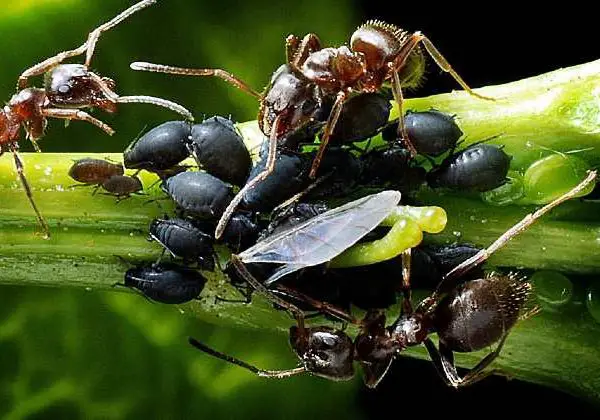
- Prevents Soggy Soil: Excess water in the soil can make it soggy, attracting pests like insects and aphids. Bottom watering helps prevent soil saturation, keeping it well-drained and healthy.
- Water Conservation: Since water is absorbed directly by the roots, there is less water wastage compared to top watering, where water may run off the surface before being absorbed.
- Nutrient Retention: Top watering can cause nutrients present in the soil to be leached out and drained to the bottom of the pot. Watering from below helps retain these nutrients in the soil, promoting healthier plant growth.
- Effective Rehydration: When plants are particularly dry, bottom watering allows water to be absorbed more effectively by the roots, ensuring they benefit from hydration even if the soil is dry.
How to Water Plants from Below:
- Prepare Water: Fill a watering can with tap water or collected rainwater.
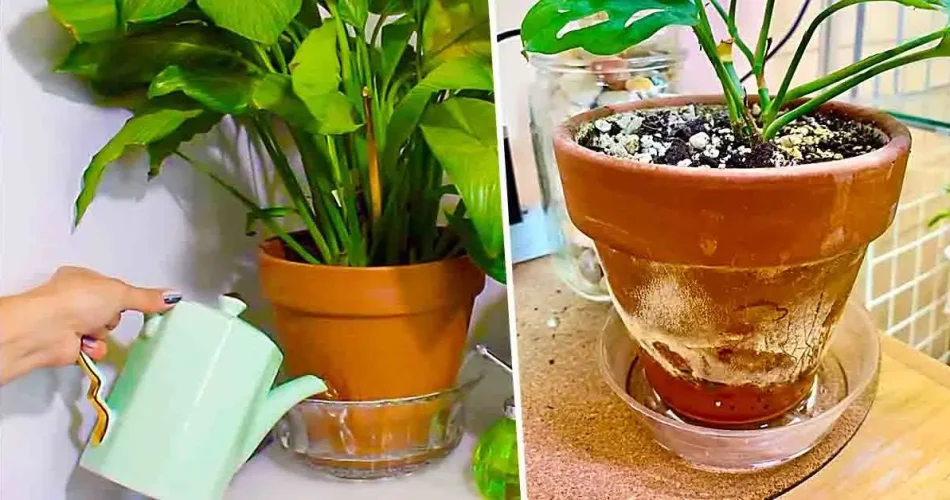
- Pour into Saucer: Pour the water directly into the saucer placed under the pot. The water will be absorbed by the soil through capillary action.
- Check Absorption: After about 15 minutes, check if the water has been completely absorbed. If not, add a little more water to the saucer.
- Monitor and Adjust: After another 30 minutes, check again. If excess water remains in the saucer, empty it to prevent root rot and insect infestation.
By following these steps and adopting bottom watering techniques, your plants are likely to thrive and remain healthy, contributing to a vibrant and beautiful garden.
Show Comments