We all love to fill our homes with plants, adding that touch of green that brightens and enhances any space. But have you ever noticed your favorite plant suddenly turning yellow? Don’t worry, there’s a solution for every problem!
Firstly, let’s talk about the yellowing of your plants, which has a name: chlorosis. This occurs when there’s a deficiency of chlorophyll, the vital ingredient for photosynthesis. Without enough chlorophyll, photosynthesis can’t happen properly, potentially causing your plant to dry out.
If the change in color isn’t due to a seasonal shift or natural leaf loss, then it’s time to explore the potential reasons for this color change.
What Causes Yellowing Leaves?
- Lighting: The lighting conditions can play a significant role in leaf color. Semi-shade indoor plants exposed to direct sunlight may turn yellow due to sunburn. Conversely, a lack of light prevents adequate photosynthesis, leading to weakened and yellowed leaves.
- Irrigation: Yellowing leaves can also be a sign of watering issues. If your plant’s leaves are yellowing irregularly and the soil is dry, it could indicate under-watering. On the other hand, consistent yellowing may signal overwatering, causing root rot due to poor drainage.
- Lack of Iron: Iron deficiency manifests as yellow leaves with green veins, a condition known as iron chlorosis. High soil pH, often caused by hard water, affects iron absorption, hindering chlorophyll production.
- Lack of Nitrogen: Nitrogen is crucial for leaf color and growth. Plants require sufficient nitrogen for healthy development, especially during their initial growth phase. If your plant has outgrown its pot and lacks nutrients, nitrogen supplementation may be necessary.
Solutions for Yellow Leaves
- Optimize Watering: Tailor your watering routine to each plant’s specific needs. Use gravel for better drainage and mix soil with river sand to improve permeability.
- Address Iron Deficiency: Correct iron deficiency with iron chelate to rebalance soil pH and enhance iron absorption. For acid-loving plants like azaleas, switch to appropriate substrates.
- Boost Nitrogen Levels: Purchase nitrogen supplements or fertilizers from nurseries to provide essential nutrients for healthy growth.
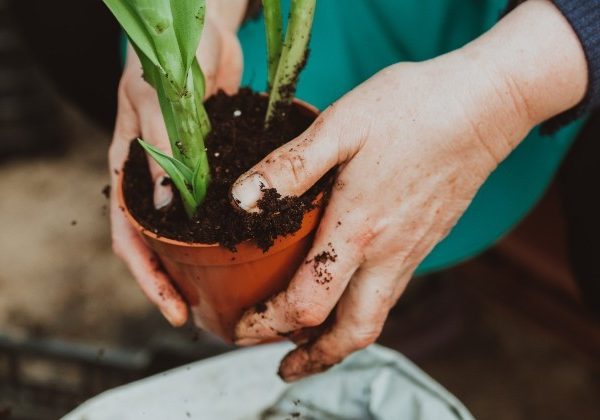
- Transplant When Necessary: Monitor your plants for signs of root overcrowding and transplant them into larger pots to ensure adequate space for root growth.
- Regular Fertilization: Keep potted plants healthy with regular fertilization to replenish soil nutrients. Regular monitoring and care will help keep your plants thriving and prevent them from falling ill.
Show Comments