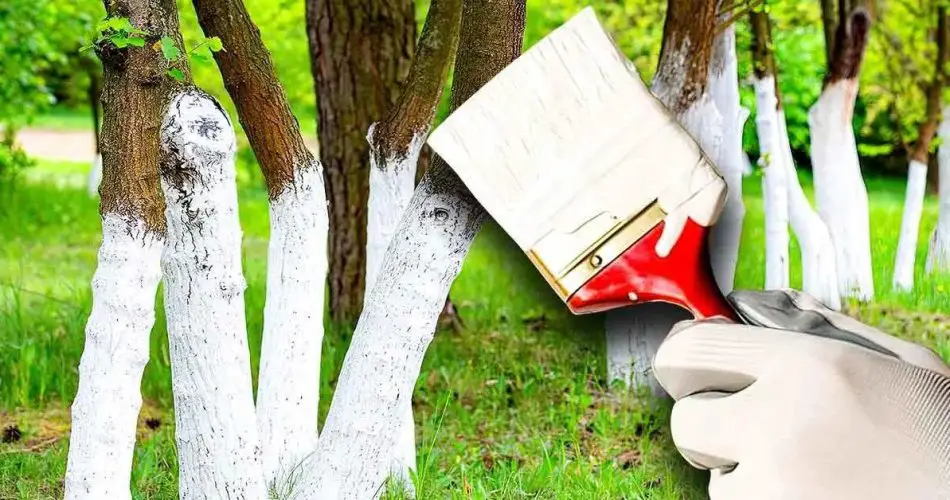
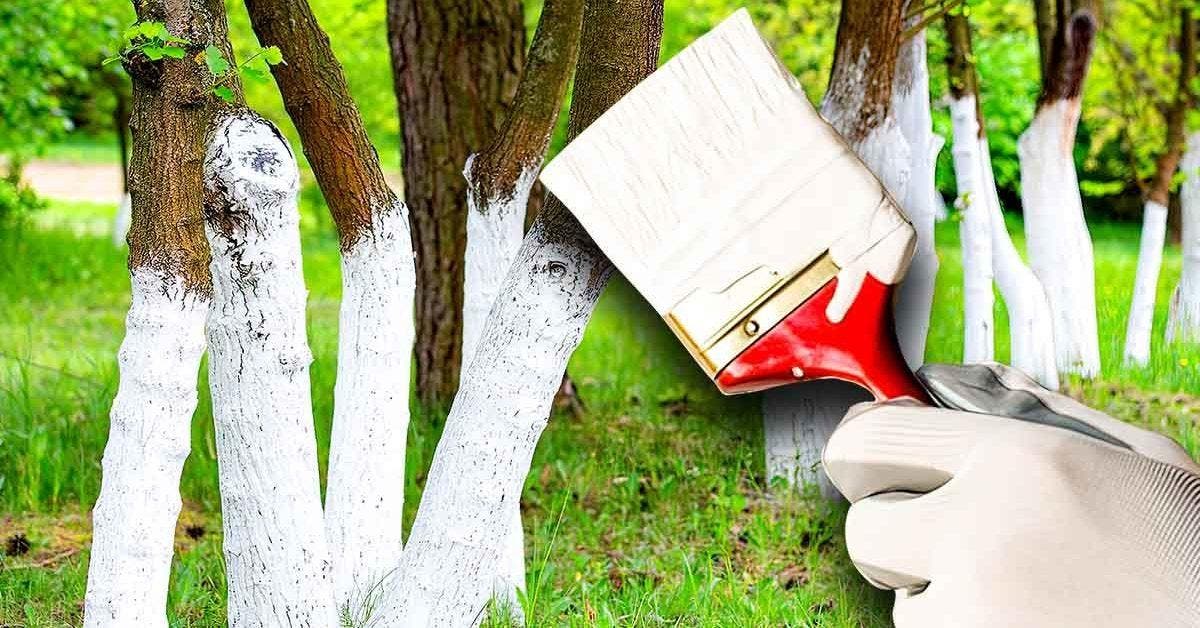
Have you noticed that trees along country roads often appear as if they’re dressed in a white fence? This intriguing sight occurs because the trunks are carefully painted with a protective coating. But what’s the reason behind this practice? Is it purely for aesthetics? Surprisingly, there’s a much more significant explanation.
Protecting Trees in Summer
Trees painted white serve several purposes. Just as we use sunscreen to shield our skin from the summer sun, trees also require protection from the intense heat and sunlight. Young trees or those with thin bark are particularly vulnerable to sun damage. Cracks can develop over time, making them susceptible to diseases and pests.
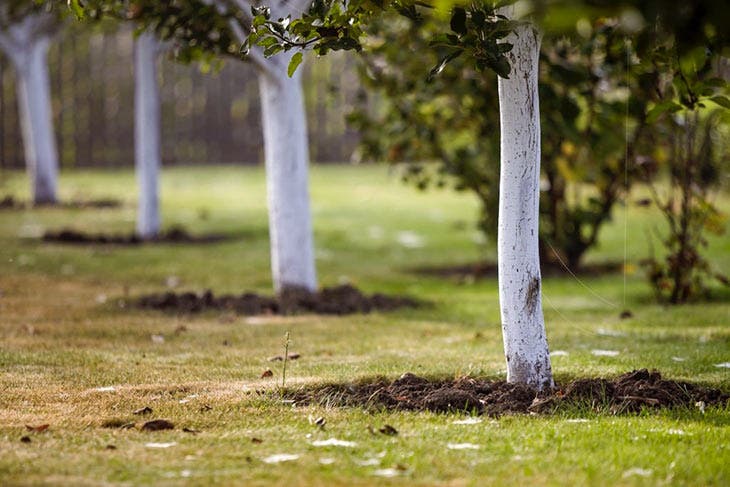
To combat this, white paint acts as a sunscreen, preserving the elasticity of the tree’s bark and preventing damage. The choice of white is strategic; it reflects the sun’s rays, keeping the bark cooler. This protective coating is durable and can last for years, while also being enriched with trace elements and clay minerals for added nourishment.
Winter Protection
During the winter months, trees face strong temperature fluctuations. Rapid drops at night and warmer daytime temperatures can be damaging. Frost can cause ice crystals to form within the tree, damaging the roots. When temperatures rise, melting ice can flood the roots, leading to cracks that attract pests.
One expert explains that the significant temperature differences between the sun-exposed (south-facing) and shaded (north-facing) sides of a tree can create cracks in the trunk, resulting in serious harm. Additionally, the bitter taste of white paint deters hungry animals, like rabbits, from nibbling on the bark.
What Is the White Paint Made Of?

Rest assured, this white paint is eco-friendly and non-toxic. It typically consists of lime and plant fortifiers, making it a safe choice for trees. The lime not only reflects sunlight but also has antibacterial properties that protect against infections. When it rains, the paint gradually washes into the soil, improving its pH and growing conditions.
Why Paint Trees Along Roads?
In forests, trees benefit from mutual shading, but roadside trees are exposed to pollution, thermal radiation from pavement, and sunlight without any protective cover. This makes young trees particularly susceptible to damage, as they often lack nearby plants that could provide shade.
Can You Paint Trees in Your Garden?
Yes, you can paint trees in your garden, especially young fruit trees, which are most vulnerable to external damage. To apply the paint, clear the trunk and lower branches of any loose bark. Using a standard paintbrush, coat the smooth surfaces of the trunk, ensuring it’s completely dry, especially after rain.
In summary, painting trees white is a practical solution to protect them from environmental stressors, helping them thrive year-round!