Water is essential for the health of indoor plants, but knowing when to water them can be tricky. Overwatering can lead to root rot, so it’s important to understand your plant’s specific water needs. Here are some effective tips to determine if your plant requires water.
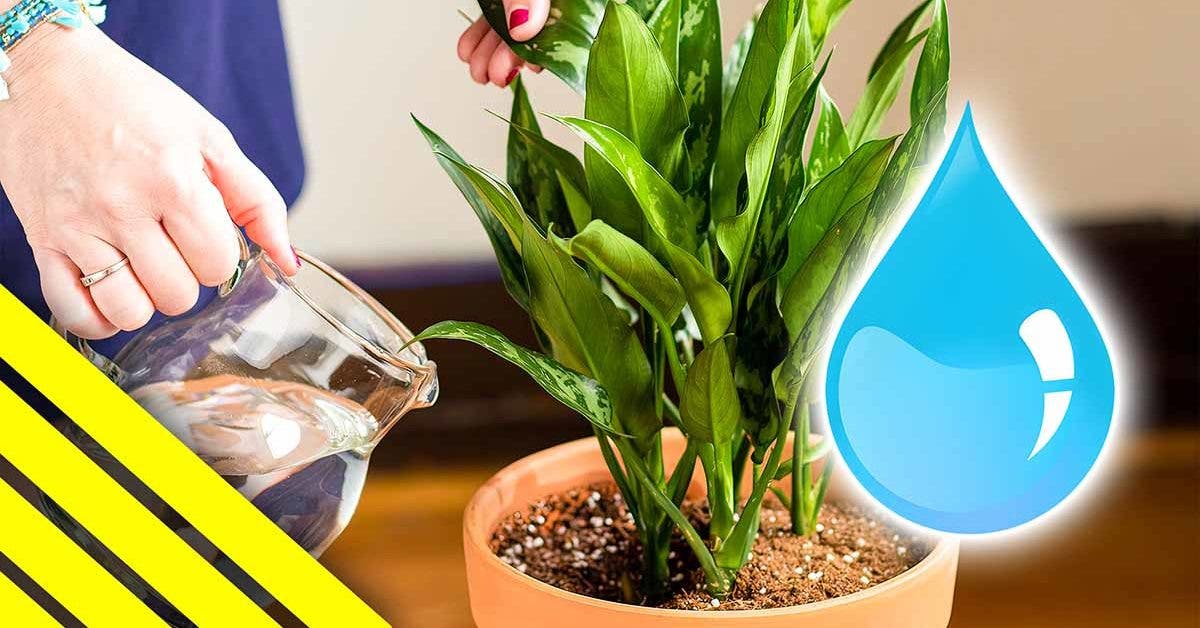
How to Check if Your Plant Needs Water
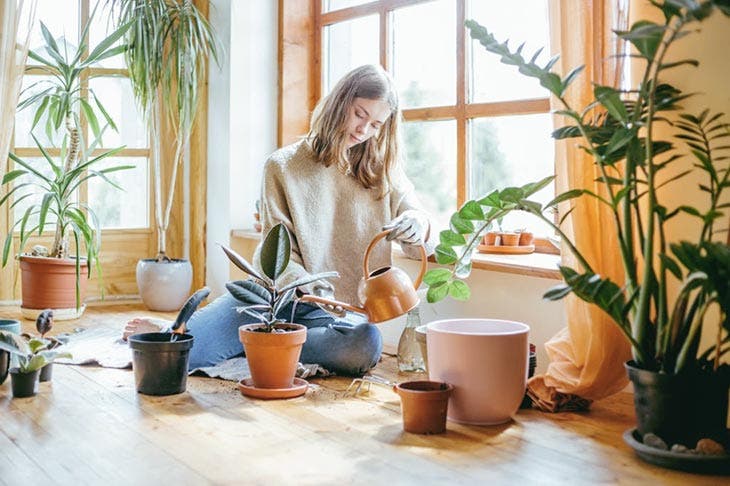
To find out if the soil is dry, use a simple stick test. Push a stick several centimeters into the soil, being careful not to disturb the roots, and then remove it. If the stick comes out dry, it’s time to water your plant. If soil clings to the stick, the soil is still damp, and watering is unnecessary.
Additional Tips for Watering
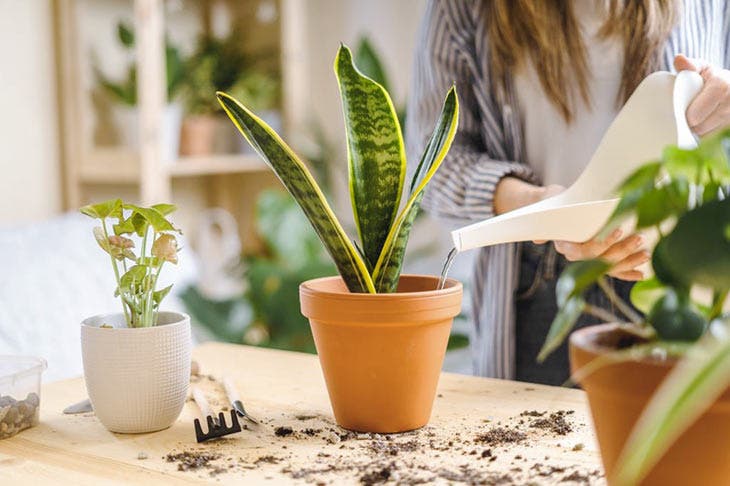
- Check Soil Color: Moist soil appears darker than dry soil. If your plant’s soil is light brown, it likely needs water. This method is especially useful for plants that prefer consistently moist conditions, like ferns. However, avoid using this method for succulents, which can suffer from overwatering.
- Finger Test: Insert your finger into the soil up to 4 cm deep. If it’s dry all the way down, it’s time to water. This method works best for smaller pots.
- Lift the Pot: When you lift your pot, if it feels heavier than usual, it’s still holding water. A lighter pot indicates that the soil has dried out and needs watering. For larger pots, tilting can help gauge weight.
- Observe Foliage Condition: Drooping leaves and a dry stem indicate your plant is thirsty. Water it lightly to revive it. Conversely, if the leaves are soft and the stem base is browning, your plant may be overwatered. Allow the soil to dry out before watering again.
Seasonal Considerations
Watering frequency changes with the seasons. In autumn and winter, plants enter a dormant phase and require less water. Heating can dry out indoor air, so consider misting the foliage to maintain humidity.
Best Watering Practices
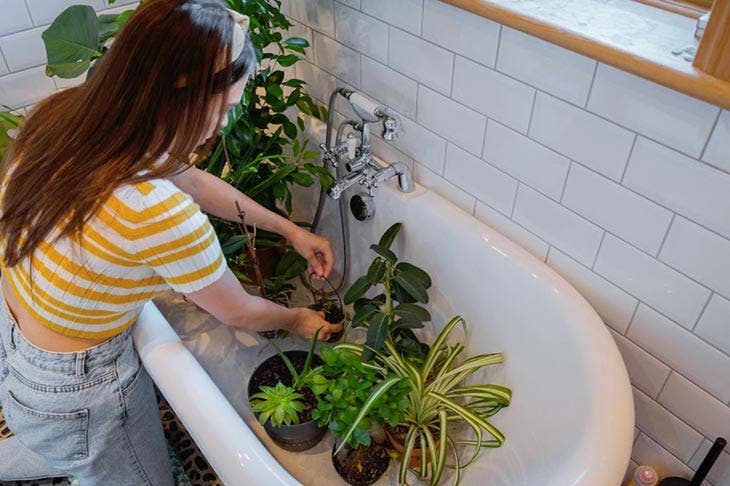
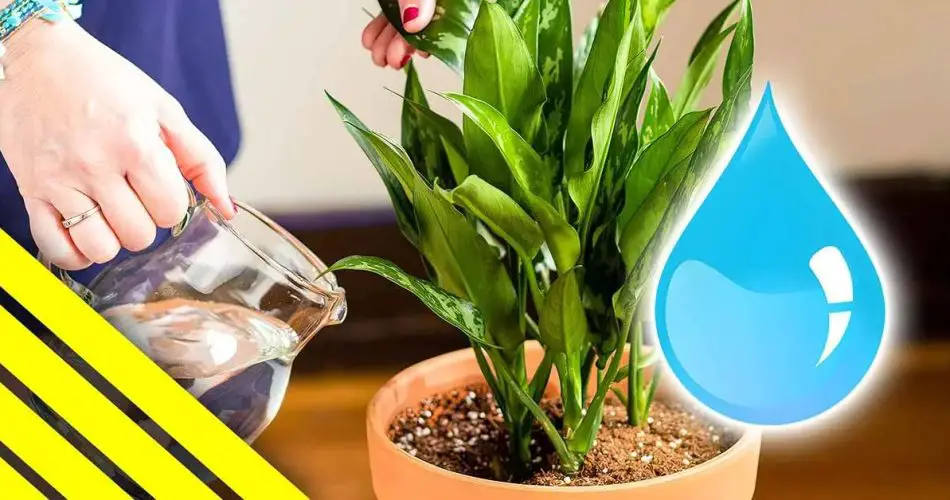
The ideal method for watering is to submerge the pot in a basin of water for a few minutes, allowing the soil to absorb moisture. Afterward, empty the basin and let the pot drain excess water. Use non-calcareous water like spring water at room temperature for best results.
By following these tips, you’ll be able to easily determine when your plant needs watering, ensuring healthy growth and preventing root rot.