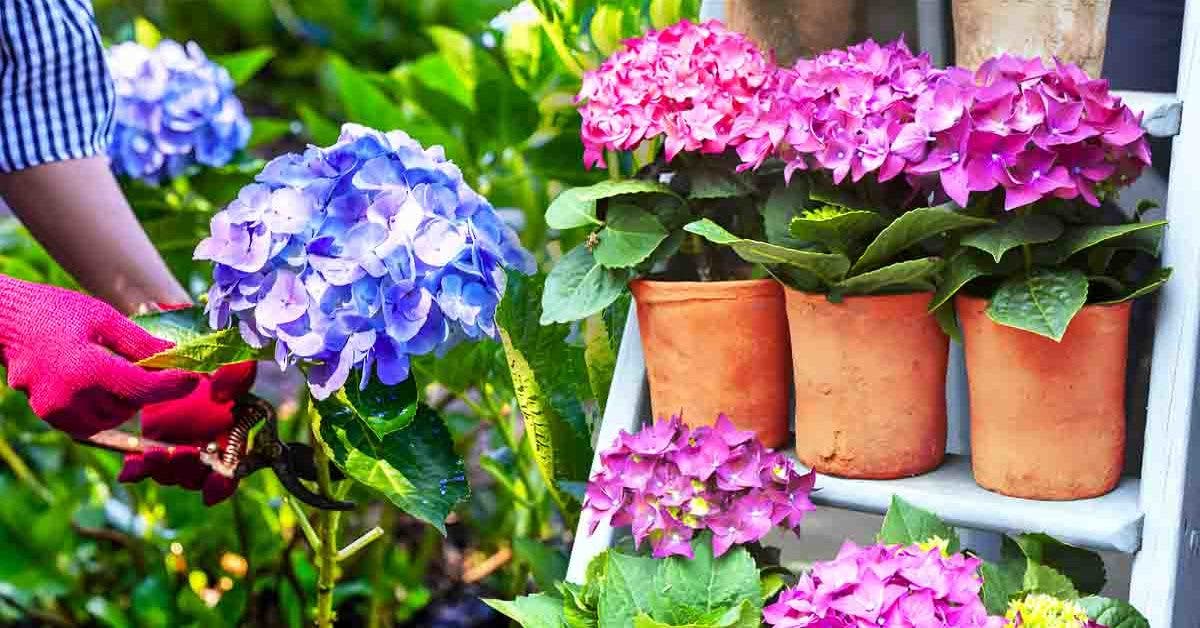
Hydrangea, also called hortensia, is a popular ornamental plant that can thrive indoors. To encourage this beautiful plant to bloom, discover the secrets behind making it grow and flourish. Did you know that this flower has a special meaning? From now on, you’ll understand the message behind the hydrangea when someone gives it to you!
Meaning of Hydrangea in the Language of Flowers
Each flower symbolizes a specific message, and knowing the right one to give is important for the occasion. In the language of flowers, the hydrangea represents the birth of new love or the return of a partner from the past. The meaning of the hydrangea can change depending on the color chosen.
- White hydrangeas represent the birth of sincere love. Giving a white hydrangea conveys deep thoughts and feelings toward the recipient.
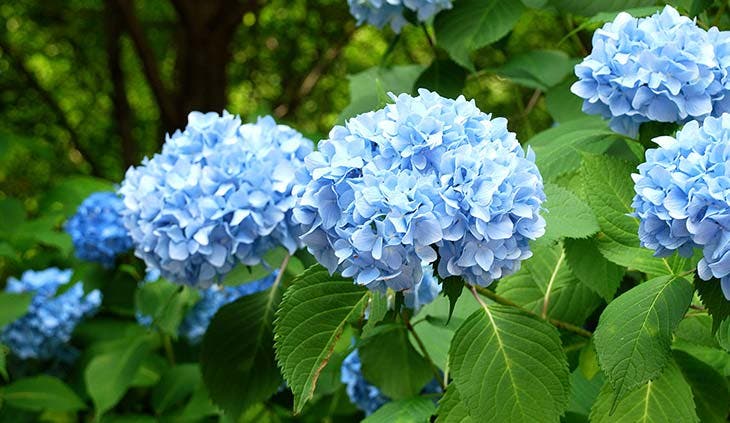
- To express deep love, despite a capricious nature, choose blue hydrangeas.
- If you want to convey loyalty and invite someone to enjoy the joys of love, a bouquet of pink hydrangeas is the perfect choice.
Growing Hydrangeas
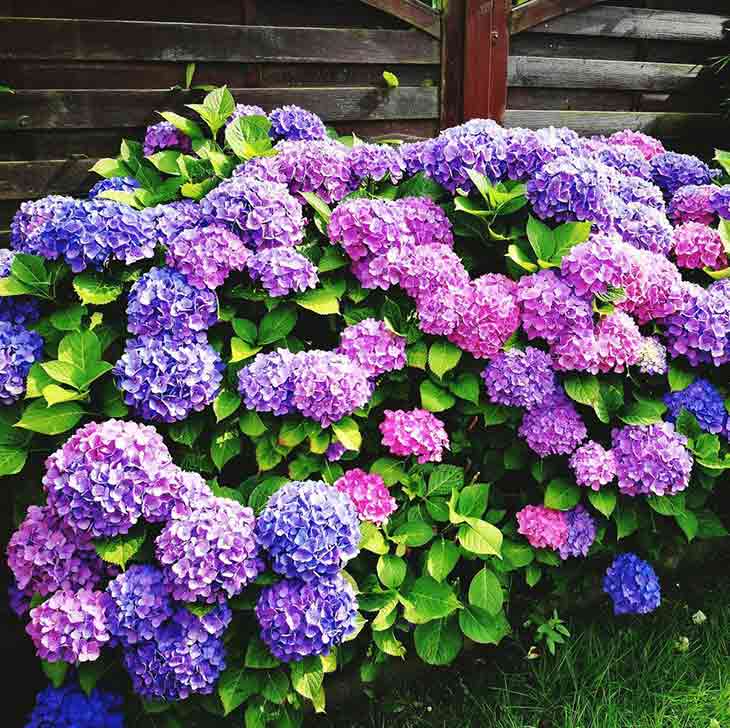
Growing hydrangeas is easy as they don’t require special care. Watering should be regular and abundant, especially during the summer. To encourage good growth and abundant flowering, it’s recommended to prune the dry branches between February and March. By following these steps, your hydrangea will thrive and bloom in spring.
For proper care, ensure the soil consists of:
- 1/4 garden soil
- 1/4 sand
- 1/4 earth
- 1/4 wood.
Hydrangeas prefer moderate exposure to the sun, so choose a location with indirect sunlight, ideally near a wall facing northwest.
The main consideration for hydrangeas is low temperatures. Winter can be fatal, causing the plant to wither when the cold arrives. Protect it during the colder months with straw and fabric.
Hydrangea Flower Colors
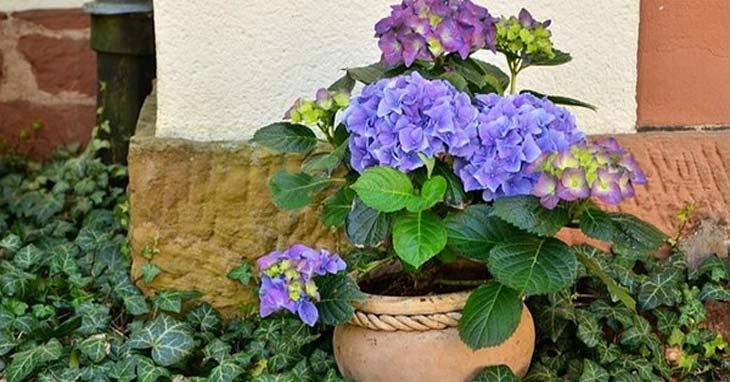
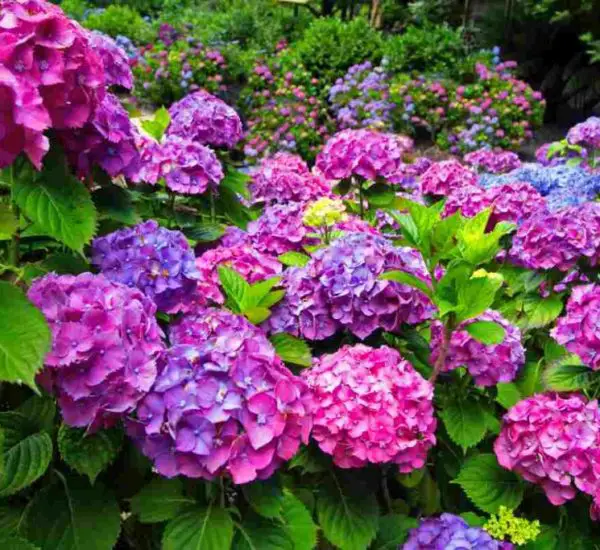
Macrophylla hydrangeas come in various colors, which are determined by the soil composition. The pH of the soil and the amount of aluminum it contains are key to determining the flower’s color:
- Blue, light blue, and purple flowers indicate acidic soil.
- With a neutral pH, the flowers will be pink or red.
White hydrangeas, however, do not change color based on the pH. Instead, they respond to light:
- In low light, they may turn green.
- With a little sunlight, they may become red or pink.
Fertilizing Hydrangeas
The best time to fertilize hydrangeas is in autumn. However, around February/March, use a slow-release fertilizer to promote good flowering. Iron deficiency is common in these plants, so using iron chelates can help prevent yellowing leaves and ensure the plant stays healthy.
Pruning Hydrangeas
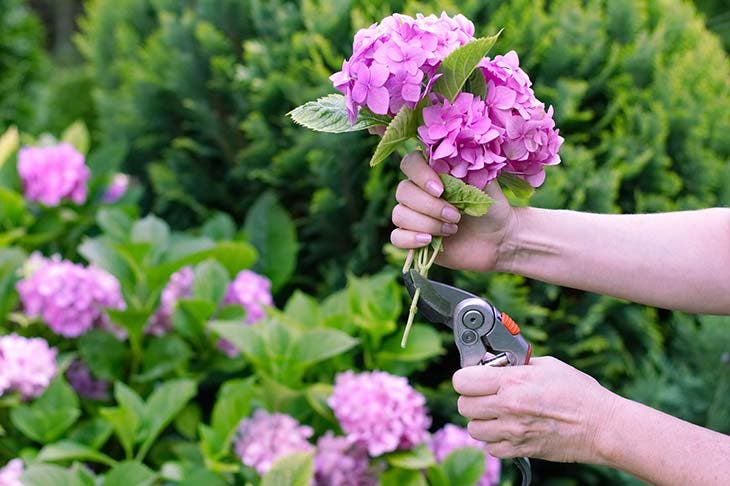
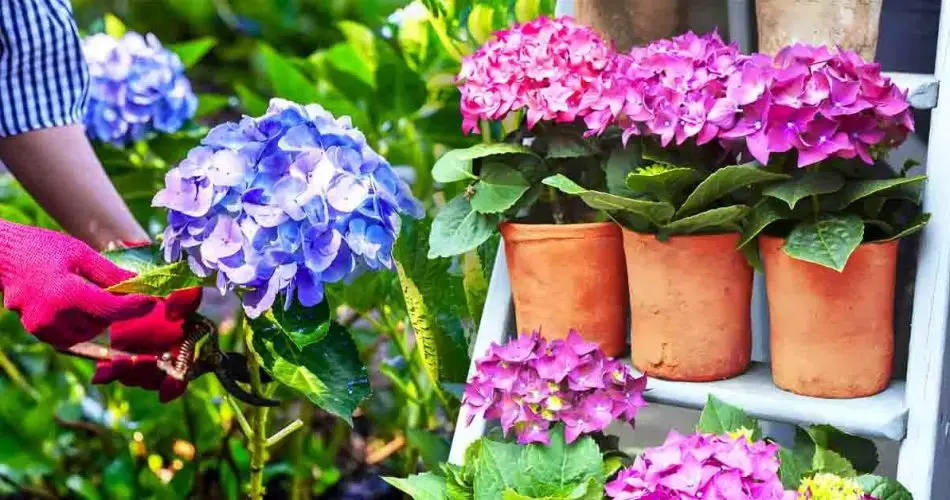
Pruning hydrangeas is essential for ensuring a good flowering season. Keep in mind that hydrangeas flower on the previous year’s branches. Improper pruning can hinder blooming.
- Wait until the flowers dry before pruning, typically around February-March.
- When pruning, avoid cutting below the buds and always start from the base of the flower.
For older hydrangeas, remove about a third of the branches from the base to reveal the inner part of the bush. Ensure the shears are sharp and clean to avoid infections.
By following these simple tips, you can enjoy the beauty and meaning of the hydrangea in your home and garden!