Mandarins are a fragrant citrus fruit prized for their sweet and tangy flavor, and they offer great health benefits, particularly due to their antioxidant and vitamin C content. If you want to enjoy organic mandarins and grow your own, you can easily plant a mandarin tree at home. It’s a simple process, even for those without a green thumb! Here’s how to plant mandarins at home and enjoy a steady supply of fruit without any trace of pesticides.

Mandarins vs. Clementines
Before we begin, it’s important to note that the mandarin is often confused with the clementine. The clementine is actually a hybrid of the mandarin, resulting from the fertilization of a mandarin flower with the pollen of a sweet orange. While both are citrus fruits, mandarins are typically sweeter and have more seeds than clementines. They are also the least acidic among citrus fruits.

How to Plant Tangerines in Pots
Growing mandarins at home is simple. Just follow these three steps:
Step 1: Prepare the Tangerine Seeds for Germination
Start by selecting seeds from an organic mandarin. Wash the seeds thoroughly, then place them on a damp cotton pad to encourage germination. Put the cotton pad in a glass to keep it moist and warm.
Step 2: Prepare the Pot for Planting
Choose a flower pot with drainage holes. Add stones at the bottom for drainage and then a layer of sand to ensure better airflow. For the soil, use a mix of peat moss, perlite, and fertilizer, and enrich it with humus if desired. Water the soil lightly without soaking it.
Step 3: Plant the Mandarin Seeds

Once the seeds start germinating, carefully plant them in the soil and cover them lightly with more soil. Then, cover the pot with transparent plastic film to maintain heat and humidity. This will help accelerate germination and encourage young shoots to appear. Place your pot in a warm and bright room, but avoid direct sunlight. Water the plant as soon as the soil dries out, but avoid over-watering. When the first shoots appear, remove the plastic film and place your pot in a temperature of around 20°C, with partial shade.
How to Maintain the Mandarin Tree and Get Good Mandarins

Maintaining your mandarin tree is easy and rewarding. Follow these care tips to ensure healthy growth:
- Watering: Keep the soil consistently moist but not soaked. If the leaves start to droop or point downward, this is a sign that the tree needs more water.
- Fertilizing: Fertilize your mandarin tree during its vegetative growth period (from March to September). Use a slow-release fertilizer and apply it to moist soil to prevent burning the roots.
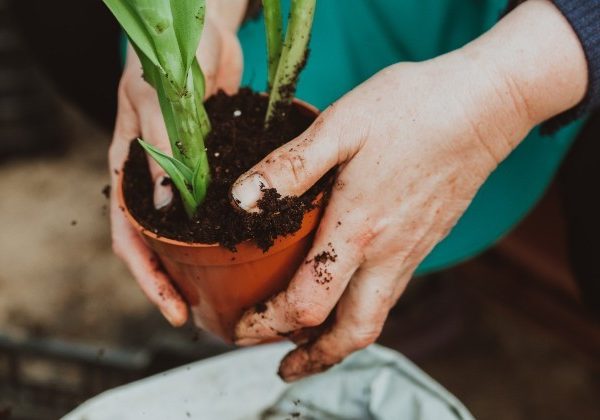
- Repotting: Once the seedlings reach a height of 10 to 15 cm and have a well-developed root system, transfer them to a larger pot. Repot your tree every 2 to 3 years to ensure it has enough space to grow. Add clay balls at the bottom of the new pot for better drainage and use a substrate mix of sand, compost, and garden soil.
- Pruning: Prune your mandarin tree when the flowers appear. Cut back branches and thin out twigs to allow more sunlight to reach the fruit, helping it to ripen better.
Protecting Your Tree From Pests and Diseases
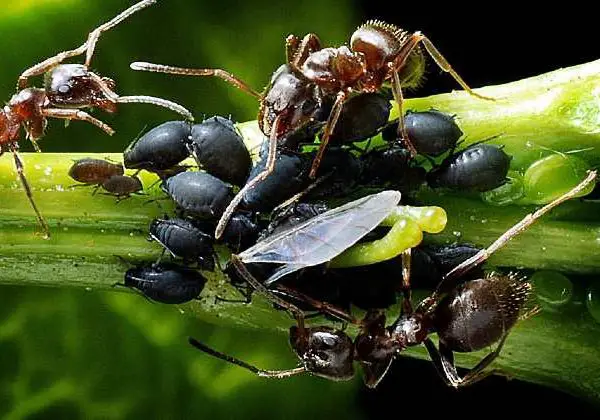
Your mandarin tree will need protection from various diseases and pests. One common pest is scale insects, which suck sap from the tree and secrete a sticky juice called honeydew. This attracts ants and can lead to sooty mold. Other potential pests include aphids and whiteflies.
If you plan to transplant your mandarin tree into the ground, make sure it is at least 30 cm tall to ensure it’s strong enough to handle outdoor conditions. Keep in mind that this fruit tree does not like cold temperatures, so if you’re growing it outside, place it in a sheltered area. In winter, cover the pot with wintering fleece for added protection.
Enjoy Unlimited Organic Mandarins
With just a few seeds, you can grow your own mandarin tree at home, enjoy the lovely scent of its flowers, and harvest unlimited mandarins—all while avoiding pesticides!