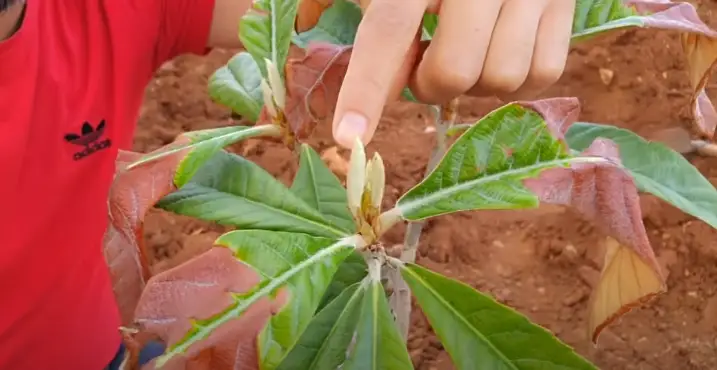
Wilting in trees and vegetables is a common issue that can significantly impact plant health and yield. Understanding the causes of wilting is crucial for effective prevention and treatment. Here are the most important factors that lead to wilting in plants:
1. Inadequate Water Supply
- Underwatering: Insufficient water supply is the most common cause of wilting. When plants don’t receive enough water, they can’t maintain turgor pressure, causing leaves and stems to droop.
- Overwatering: Excessive watering can lead to root rot, which impairs the plant’s ability to uptake water and nutrients, resulting in wilting.
2. Soil Conditions
- Poor Drainage: Soil that doesn’t drain well can suffocate roots, leading to root rot and wilting.
- Compacted Soil: Compacted soil restricts root growth and limits water infiltration, causing plants to struggle to absorb necessary moisture and nutrients.
3. Root Problems
- Root Damage: Physical damage to roots during transplanting or due to pests can impair water uptake.
- Root Diseases: Fungal infections like Phytophthora and Fusarium affect roots, leading to poor water absorption and wilting.
4. Environmental Stress
- Heat Stress: High temperatures increase the rate of water loss through transpiration, which can cause wilting if the water supply is not replenished.
- Frost Damage: Frost can damage plant tissues, causing them to lose their ability to transport water and leading to wilting.
5. Pests and Diseases
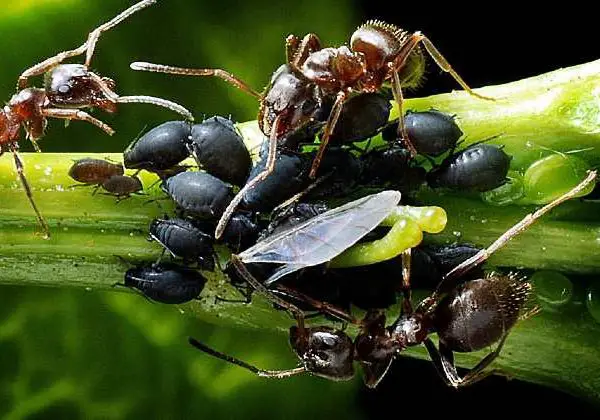
- Insect Infestation: Pests like aphids, spider mites, and root-feeding nematodes can damage plant tissues and roots, leading to wilting.
- Bacterial and Fungal Infections: Diseases like bacterial wilt and Verticillium wilt can block water-conducting vessels in plants, causing them to wilt.
6. Nutrient Deficiencies
- Lack of Essential Nutrients: Deficiencies in key nutrients such as potassium, magnesium, and calcium can affect the plant’s ability to maintain water balance and turgor pressure.
- Imbalanced Soil pH: Incorrect soil pH can hinder nutrient uptake, causing deficiencies that lead to wilting.
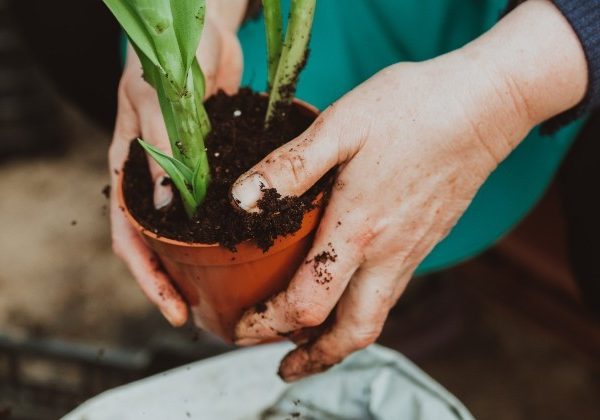
7. Transplant Shock
- Disturbance: Moving plants from one location to another can shock their systems, causing temporary wilting as they adjust to new conditions.
- Adaptation: Providing proper care and gradually acclimating plants to their new environment can help minimize transplant shock.
8. Chemical Exposure
- Herbicides: Accidental exposure to herbicides can damage plant tissues, leading to wilting.
- Contaminants: Soil or water contaminated with toxic substances can impair plant health and cause wilting.
Preventing and Treating Wilting
- Proper Watering: Ensure plants receive adequate but not excessive water. Water deeply and infrequently to encourage deep root growth.
- Soil Management: Improve soil structure with organic matter and ensure proper drainage. Avoid compacting soil around plant roots.
- Pest and Disease Control: Monitor plants regularly for signs of pests and diseases and treat promptly with appropriate methods.
- Nutrient Management: Conduct soil tests to ensure nutrient levels and pH are optimal for plant growth. Use fertilizers judiciously to avoid imbalances.
- Environmental Protection: Provide shade during extreme heat and protect plants from frost with covers or by moving them indoors if possible.
Conclusion
Wilting in trees and vegetables can be caused by a variety of factors, including inadequate water supply, poor soil conditions, root problems, environmental stress, pests, diseases, nutrient deficiencies, transplant shock, and chemical exposure. By understanding these causes and implementing preventive measures, you can maintain healthy, thriving plants and minimize the risk of wilting.
Show Comments