Lettuce is a versatile and easy-to-grow leafy green that thrives in a variety of climates and can be harvested multiple times throughout its growing season. By following these best practices, you can ensure a bountiful harvest of crisp, fresh lettuce.
1. Selecting the Right Variety
- Types of Lettuce: Choose from a variety of lettuce types including leaf, romaine, butterhead, and crisphead. Each type has its own growing requirements and harvest times.
- Climate Considerations: Select varieties that are well-suited to your local climate. Some lettuce varieties are more heat-tolerant, while others prefer cooler temperatures.
2. Preparing the Soil
- Well-Draining Soil: Lettuce thrives in well-draining, fertile soil with a pH between 6.0 and 7.0.
- Soil Enrichment: Incorporate plenty of organic matter, such as compost or well-rotted manure, to enrich the soil and improve its structure.
3. Planting Lettuce
Direct Seeding
- Planting Time: Lettuce prefers cooler weather. Plant seeds in early spring or late summer for a fall harvest.
- Seed Spacing: Sow seeds directly into the soil, spacing them about 1/4 inch deep and 1 inch apart. Thin seedlings to about 6-12 inches apart, depending on the variety.
- Row Spacing: Space rows about 12-18 inches apart to allow for adequate air circulation and growth.
Transplanting Seedlings
- Starting Indoors: Start seeds indoors 4-6 weeks before the last expected frost date.
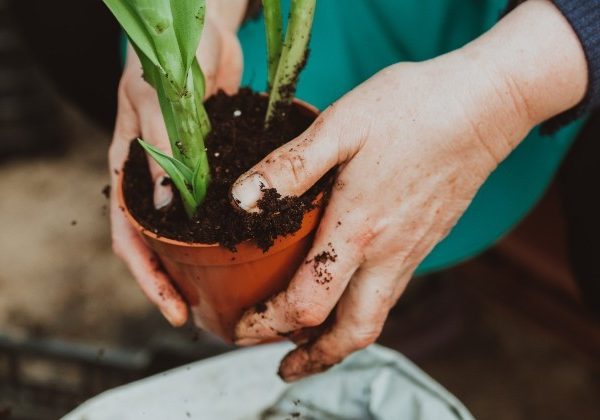
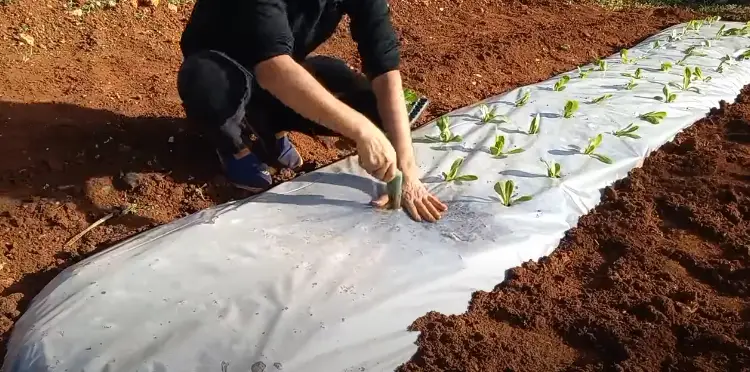
- Transplanting: When seedlings have at least 4-6 true leaves, transplant them into the garden, spacing them as you would for direct seeding.
4. Watering and Mulching
- Consistent Moisture: Lettuce requires consistent moisture to grow well. Water regularly to keep the soil evenly moist but not waterlogged.
- Mulching: Apply a layer of mulch around the plants to retain moisture, regulate soil temperature, and prevent weed growth.
5. Providing Adequate Light
- Sunlight Requirements: Lettuce grows best in full sun but can tolerate partial shade. In warmer climates, some afternoon shade can help prevent bolting.
- Indoor Growing: If growing indoors, ensure your lettuce gets at least 12-16 hours of light per day using grow lights.
6. Fertilizing
- Balanced Fertilizer: Apply a balanced, slow-release fertilizer at planting time. Lettuce benefits from a nutrient-rich soil.
- Additional Feeding: During the growing season, supplement with a liquid fertilizer every 2-3 weeks if needed.
7. Pest and Disease Management
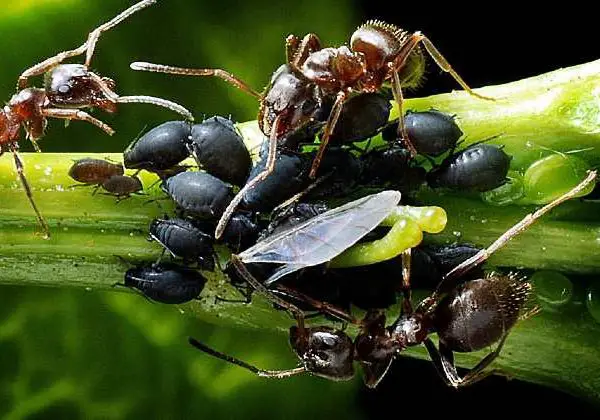
- Common Pests: Watch out for aphids, slugs, and snails. Use organic pest control methods such as neem oil, diatomaceous earth, or handpicking pests.
- Disease Prevention: Prevent fungal diseases by ensuring good air circulation and avoiding overhead watering. Remove any diseased plants promptly.
8. Harvesting
- Leaf Lettuce: Harvest leaf lettuce by cutting the outer leaves when they are large enough to eat, allowing the inner leaves to continue growing. Alternatively, you can cut the whole plant about 1 inch above the soil to encourage regrowth.
- Head Lettuce: For head lettuce varieties, harvest when the heads are firm and fully formed. Cut the head off at the base, just above the soil line.
Conclusion
Growing lettuce is a rewarding and relatively simple gardening project that yields delicious and nutritious greens. By choosing the right variety, preparing the soil, planting correctly, and maintaining consistent care, you can enjoy a continuous harvest of fresh lettuce throughout the growing season. Whether you’re growing in a garden bed, container, or hydroponic system, these best practices will help you achieve a successful lettuce crop.
Show Comments