Planting onions in October can lead to a successful and early harvest if done correctly. Here’s a comprehensive guide to help you achieve the best results:
Optimal Timing
- When to Plant: The end of October to early November is the ideal time for planting onion seedlings.
- Soil Temperature: Aim for a soil temperature between -1°C and +2°C. This cold temperature encourages bulbs to grow larger compared to spring planting.
Preparing the Soil
- Site Selection:
- Sunlight: Choose a sunny location to ensure your onions receive ample light.
- Soil: Ensure the soil is well-drained and not excessively cold. The soil should support root growth without encouraging premature sprouting.
- Soil Preparation:
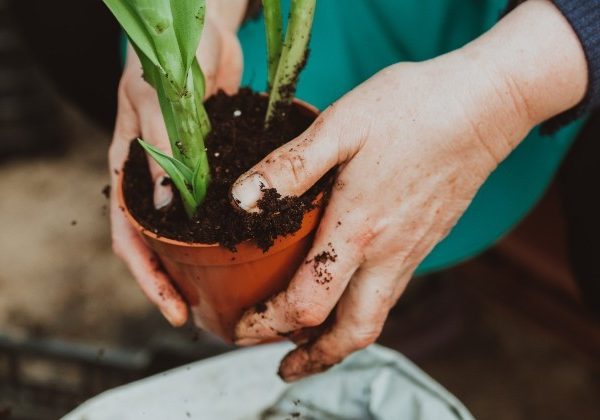
- Digging: Dig up the soil thoroughly to loosen it.
- Fertilization: Mix compost with ash into the soil. Use about 1 cup of compost and ash per square meter.
- Furrows:
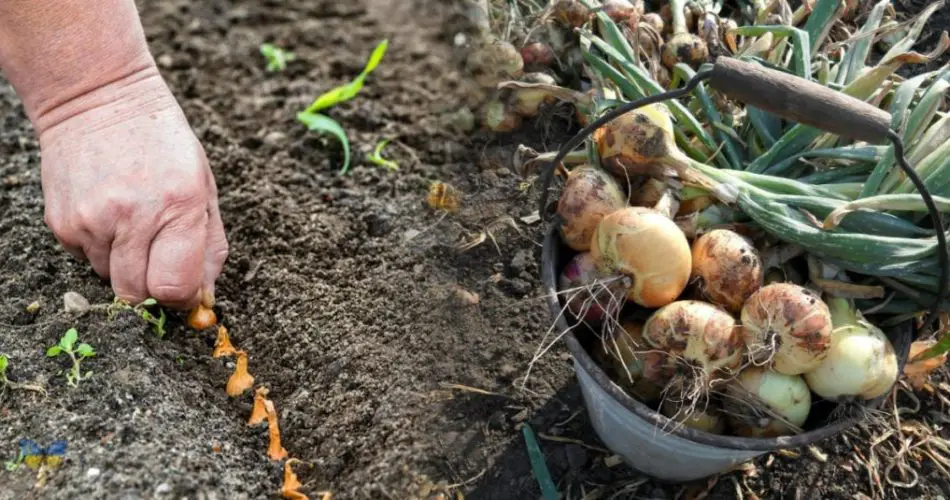
- Depth: Create furrows that are 3-4 cm deep.
- Spacing: Space the furrows 12-15 cm apart.
Planting Onion Seedlings
- Selection of Seedlings:
- Size: Choose onion seedlings that are approximately 1 cm in diameter or smaller.
- Planting:
- Positioning: Place the seedlings vertically in the furrows, spacing them 3-4 cm apart.
- Covering: After placing the seedlings, cover them with soil. Add a layer of peat or leaves on top to protect the seedlings.
Winter Care
- Snow Coverage: If snow is present during winter, it can provide additional insulation for the planted onions. Ensure the snow does not cause waterlogging when it melts in the spring.
Spring Maintenance
- Temperature Check: Ensure the temperature has not dropped below -15°C before planting in the spring.
- Fertilization: In April, fertilize with a solution of bird droppings or cow manure, diluted to a ratio of 1 part manure to 10 parts water. Cover the bed with a film to retain moisture and warmth.
- Watering: Maintain regular watering until the onions reach maturity, typically by early July.
Additional Tips
- Monitor Soil Moisture: Avoid water stagnation, especially during thawing periods in spring.
- Careful Observation: Regularly check for pests or diseases that could affect the onions.
By following these guidelines, you’ll set yourself up for a productive and early onion harvest. Happy gardening!
Show Comments