Whether sweet, crunchy, raw, or cooked, celery adds a delightful lemony flavor to various recipes. Rich in vitamins B, C, and E, this versatile vegetable is not only delicious but also offers numerous health benefits. Want to enjoy it fresh from your garden? Here’s a practical guide to help you grow your own celery!
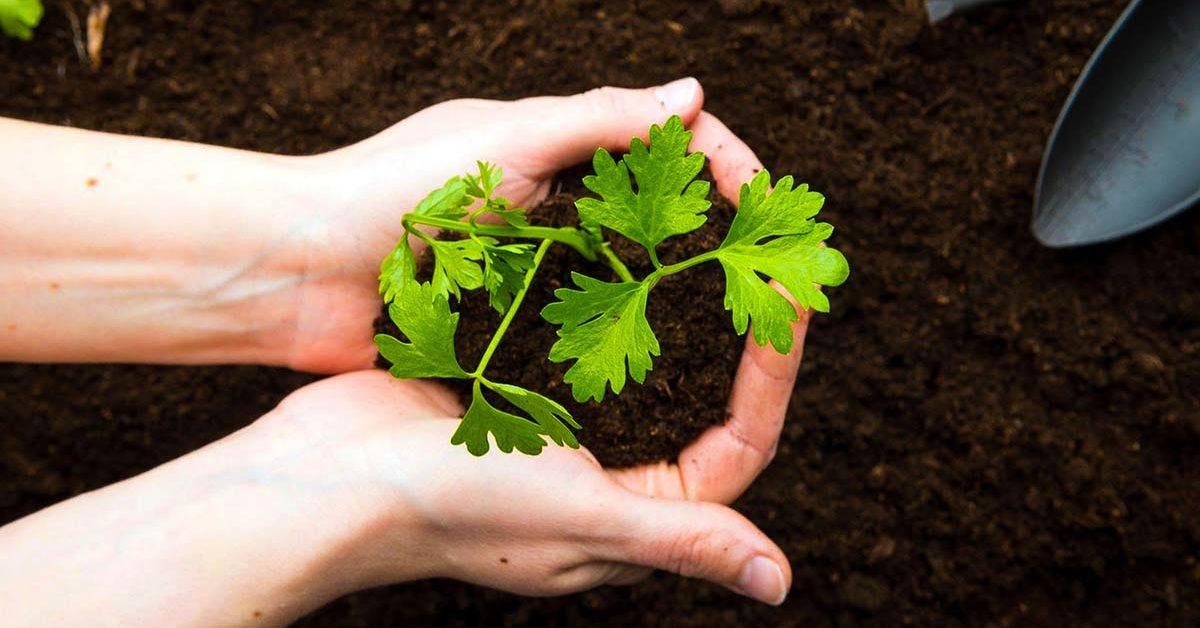
How to Grow Celery
Celery is commonly eaten fresh, especially in salads, and is renowned for its health benefits, including diuretic, digestive, anti-cancer, and anti-inflammatory properties. However, precise timing is crucial for successful growth. During cold periods, celery may not develop roots and can prematurely flower. It thrives in cool soil, ideally with temperatures not exceeding 10°C during its initial growth phase.
When to Plant Celery in Open Ground

The optimal time to plant celery is in the second half of May. It doesn’t tolerate frost or extreme heat, so timing is key. Celery prefers light, fertile soil rich in humus. For robust root development, ensure spacing of 20-30 cm and proper planting depth. Avoid planting celery in the same spot as the previous year.
Where to Plant Celery
You can sow celery in seedlings or seedbeds, and even use heated greenhouses. Maintain a distance of 6 cm between rows and 1-2 cm between plants. For summer harvests, sow from February in a warm environment and transplant in April. For autumn harvests, sow in March and plant in May. Cover seeds with a thin layer of substrate and ensure consistent humidity and a temperature of at least 16°C for optimal germination.
Companion Planting: What to Grow Next to Celery
In the vegetable garden, plant neighbors matter. Celery emits essential oils that can affect nearby plants. While the scent helps repel pests, it may alter the flavor of carrots and potatoes. Avoid planting celery alongside:
- Beans
- Carrots
- Lettuce
- Potatoes
However, beneficial companions include:
- Leeks
- Garlic
- Chamomile
- Broccoli
- Onions
- Cabbage varieties
- Tomatoes
- Spinach
When to Harvest Celeriac

Celeriac is a nutritious plant known for its health benefits. To grow celeriac:
- Sow seeds indoors 10-12 weeks before the last frost date.
- Press seeds into a moistened soilless mix, lightly covering them.
- Maintain humidity with a domed lid in a bright area.
- Transplant outdoors when daytime temperatures are at least 10°C.
How to Plant Perpetual Celery (Lovage)
Lovage, also known as “perpetual celery,” is a perennial vegetable. To grow it:
- Loosen the soil without turning it over.
- Add compost and sand for drainage.
- Space plants 50 cm apart.
- Water regularly and keep the soil cool.
Lovage can be harvested from spring to autumn. To preserve the last harvest, dry the leaves by hanging cut stems in a dry place.
With this guide, you’re now equipped to plant and enjoy your very own celery! Happy gardening!