With its stunning flowers, the orchid is a beloved plant that adds elegance to our homes. You cherish its beauty and want to keep it blooming. However, ensuring its abundant flowering requires the right conditions. Here are 8 tips to help your orchids thrive!
How to Make an Orchid Bloom Again
1. Check the Health of Your Orchid
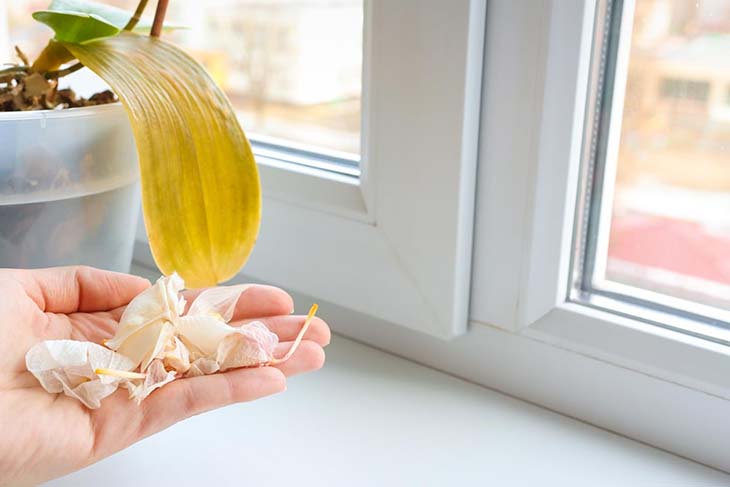
If you notice wrinkled leaves, your orchid may be suffering from over or under-watering, a sudden illness, or low humidity. Assess its condition to identify the problem.
2. Expose Your Orchid to Sunlight
Light is crucial for your orchid’s growth. Ensure it receives the right amount of light based on its species. Too little or too much sunlight can lead to health issues.
3. Fertilize with Natural Fertilizer
For abundant blooms, provide a suitable fertilizer to meet your orchid’s nutritional needs. Adjust the quantity according to the time of year and maintain a consistent schedule until flowering ends.
4. Keep Your Orchid Moist and Hydrated
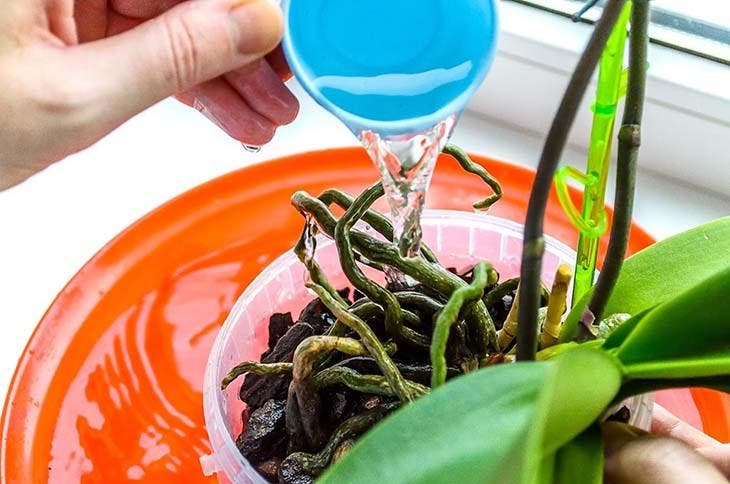
Humidity is vital for your orchid’s health. Use a hydrating foliar fertilizer to nourish the leaves and encourage flowering.
5. Ensure Your Orchid Has Enough Space
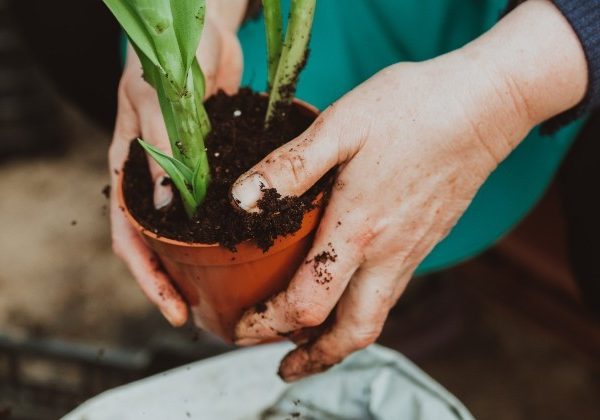
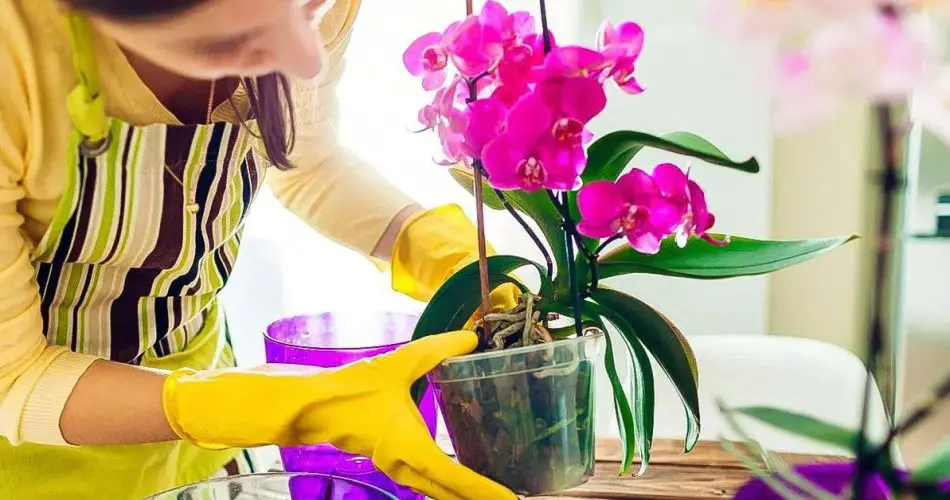
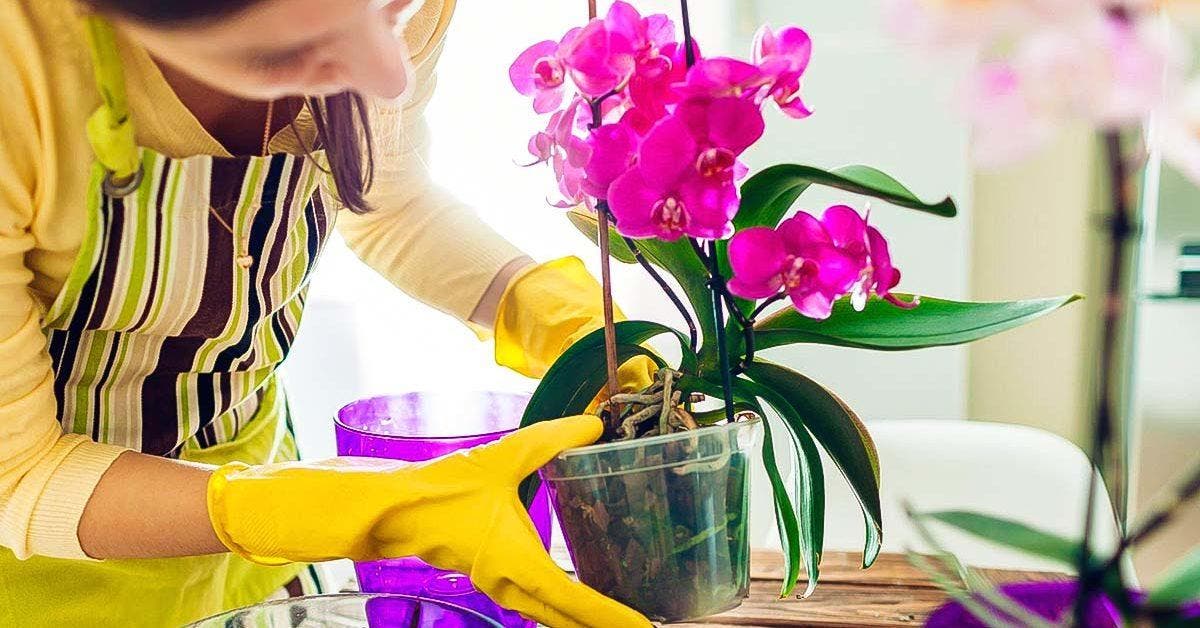
If your orchid hasn’t bloomed for a while, it may be root-bound. Transplant it into a larger pot with fresh soil to give it room to grow.
6. Stimulate Flowering with Heat Treatment
Some orchids require heat treatment to bloom. Place your orchid in a plastic bag with a ripe banana for a few days to create a warm, humid environment.
7. Stimulate the Roots
Experienced gardeners suggest gently scraping the orchid’s roots with a sharp knife to encourage growth and flowering.
8. Cut Leaf Tips to Relieve Pressure
If your orchid’s leaves are overcrowding, gently trim the tips to alleviate pressure and promote proper flowering.
Why is My Orchid Growing Leaves but Not Flowering?
If your orchid isn’t blooming, several factors could be at play:
- Lack of Light: Insufficient light is a common issue. Different species have varying light requirements. For example, Phalaenopsis orchids thrive with filtered light, while others need more direct light.
- Root Condition: The balance between roots, leaves, and flowers is crucial. If the roots are unhealthy, it can hinder blooming.
- New Growth: Healthy monopodial orchids like Phalaenopsis and Vanda should produce one or two new leaves annually, indicating potential future blooms.
- Inadequate Season: Orchids bloom naturally during specific cycles. Forcing them to bloom outside their natural rhythm can hinder growth.
- Natural Stimuli: Changes in temperature and light can signal orchids when to bloom. Pay attention to seasonal shifts for optimal blooming conditions.
How Do I Know When My Orchid Will Bloom Again?
Your orchid will flourish only in ideal conditions. Blooming typically occurs between late winter and early spring, and again in the fall. To check if your orchid will bloom, regularly observe the flower stems. If they have flower buds covered with bracts, your plant is likely to bloom again!
By following these tips, you can help your orchids thrive and enjoy their beautiful blooms for years to come!