The poinsettia is a perennial flowering plant, which blooms in fall and winter. This indoor plant is ideal for decorating the house during the end-of-year celebrations. Moreover, she is nicknamed the Christmas star. Its flowering offers a range of varied colors such as red, orange or yellow. To maintain your poinsettia and make it last until Christmas, it is important to control its watering. That said, find out how to properly water your Christmas star.
The poinsettia is a tropical plant native to Central America. Nicknamed Christmas star, this houseplant is easy to care for. Its bracts can decorate your interior as the end-of-year holidays approach, provided that you water them successfully.
How to water the poinsettia?
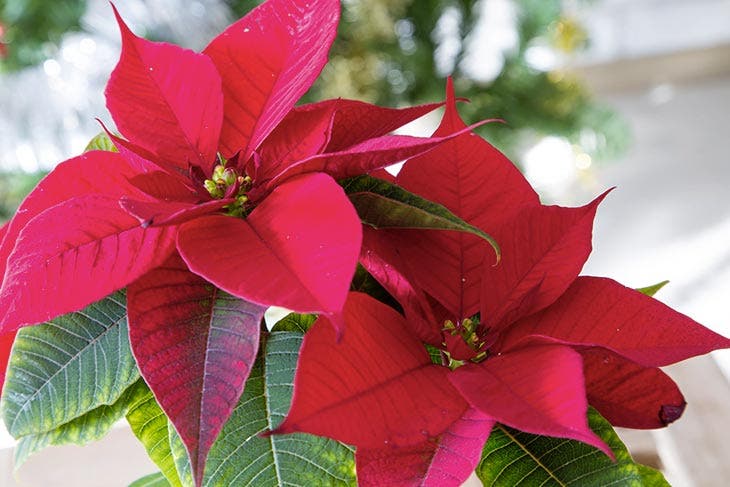
The poinsettia is an indoor plant with decorative foliage. Contrary to popular belief, it is not the flowers of the poinsettia that are colorful , but its bracts. The latter are central leaves which surround small, barely visible, yellow flowers. To take care of your plant and make it last until Christmas, good maintenance is essential. For this, it is important to master the watering of this decorative plant.
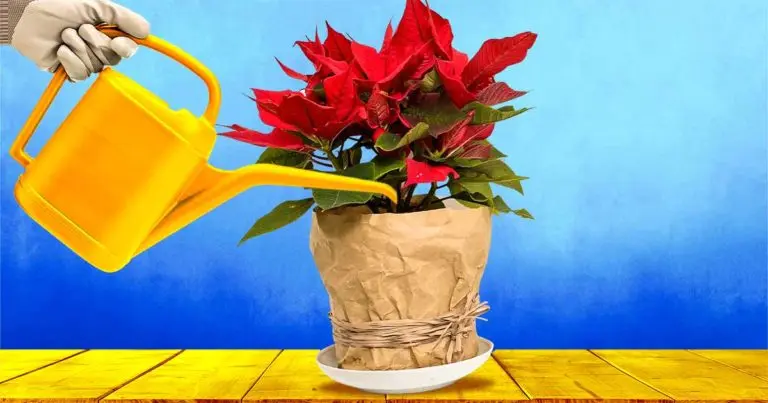
The poinsettia needs regular and moderate watering. Don’t let your plant’s soil dry out and avoid overwatering. Wait until the soil is dry between two waterings. Excess water could cause the poinsettia’s leaves to drop. Also avoid keeping stagnant water in the saucer or plant pot. To promote drainage, place clay balls at the bottom of the pot. Also, when watering your plants, avoid wetting the foliage, and use water at room temperature.
You can water your poinsettia in the classic way, or by drenching it. In fact, it is possible to moisten the substrate gradually using a small watering can. Then empty the cup to prevent root rot. You can also basin your plant. To do this, remember to fill your sink or a bucket with water at room temperature, then immerse the pot, up to the collar of the plant. Note that in botany, the crown refers to the intermediate part between the roots and the stem. When bubbles stop forming on the surface of the potting mix, remove your plant from the bucket or sink, and let it drain to avoid stagnant moisture.
What are other tips for properly caring for poinsettias?
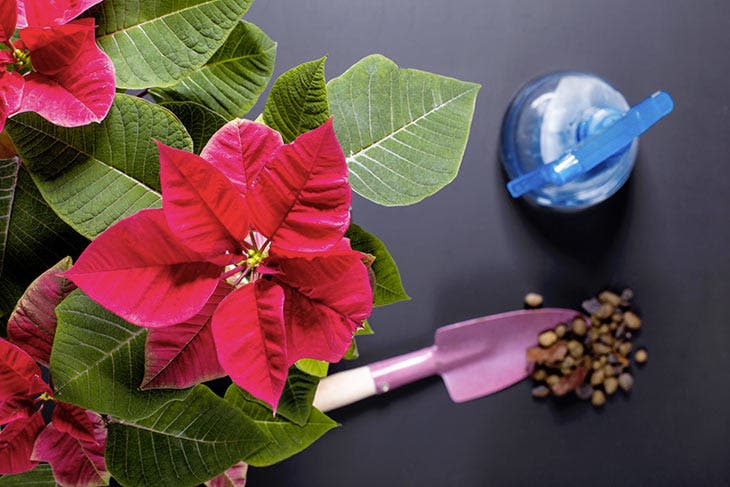
- The poinsettia appreciates light. It is best to keep your plant in an exposed room, avoiding direct sunlight. Also keep your poinsettia away from drafts, and choose a temperature varying between 15 and 22°C.
- Outside of the flowering period, fertilize the plant with a liquid fertilizer for flowering plants once a month.
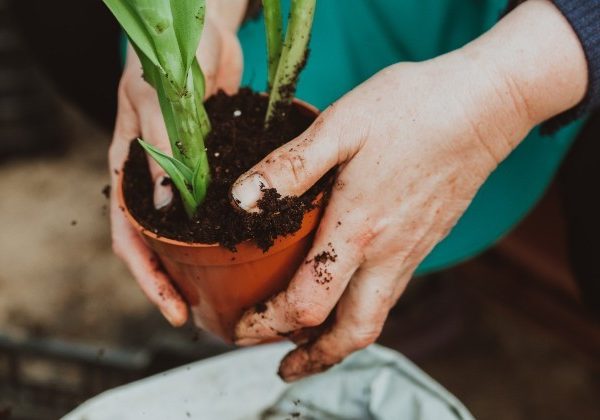
- After flowering, it is advisable to repot the poinsettia in a new, larger pot to encourage its growth. You can use potting soil for houseplants, or make your own potting soil by mixing equal parts garden soil, sand and compost. Since the poinsettia enters a period of vegetative rest after flowering, it is advisable to reduce watering; one or two waterings per month are enough.
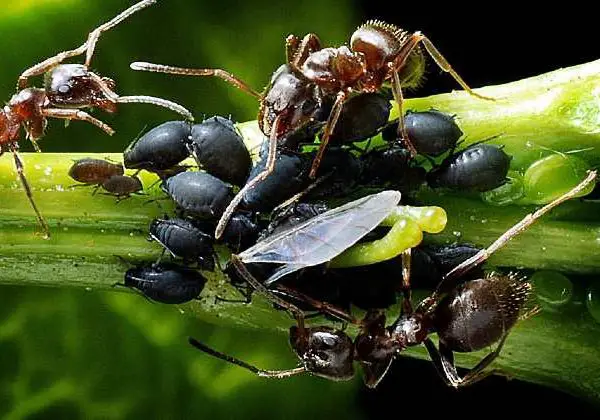
- To care for your poinsettia, it is also important to protect it from pests that attack it. Indeed, the Christmas star is subject to attacks by white flies which suck its sap and weaken it. To avoid this, consider spraying the foliage with nettle manure. The poinsettia can also be invaded by aphids which deform the buds, or spider mites which deform its foliage. To prevent attacks from these spiders invisible to the naked eye, it is advisable to regularly mist the poinsettia foliage.
By controlling the watering of your poinsettia, you will keep your plant in good condition, and make it last a long time, in order to adorn your house with its bright colors during the end-of-year holidays.