Orchids are beautiful, fragrant, and fascinating plants, becoming increasingly popular in homes. Among the various species, the Phalaenopsis orchid (also known as the butterfly orchid) stands out with its colorful flowers and delicate scent. However, orchids have specific care requirements, including watering, light, temperature, and soil. Sometimes, despite your best efforts, you may notice the roots deteriorating, leaves falling, or flowers fading. If your orchid is showing signs of distress, don’t panic—it may still be saved with a few simple steps, including the famous sponge trick.
Let’s explore how to save a dying orchid with this quick and effective method.
The Sponge Trick to Save an Orchid
If you notice that your orchid’s roots are dry or rotten, it’s essential to act quickly to save it. If left untreated, the plant may not survive. Here’s what you need to do:
1. Prune the Roots
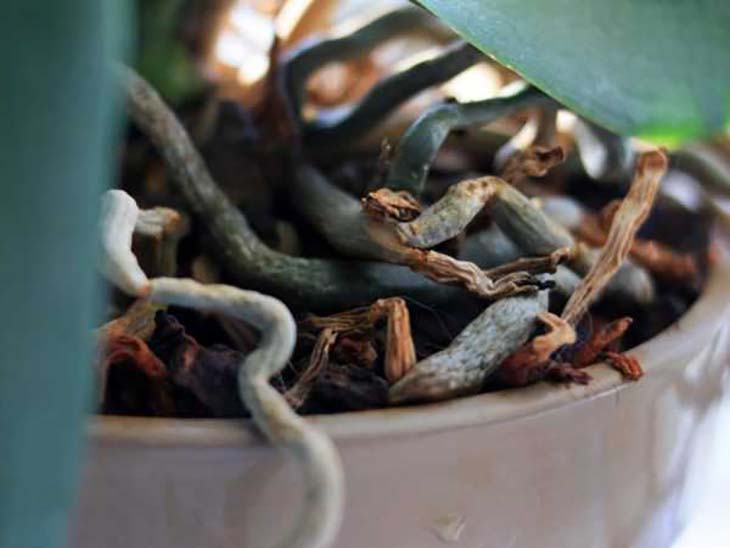
First, check the roots carefully. If you see any that are rotten or dry, it’s time to prune them. Gently remove the orchid from its pot and use sterilized shears to cut away the affected roots. Only remove the roots that are completely dry or rotten—leave the healthy ones intact.
2. Use the Sponge Solution
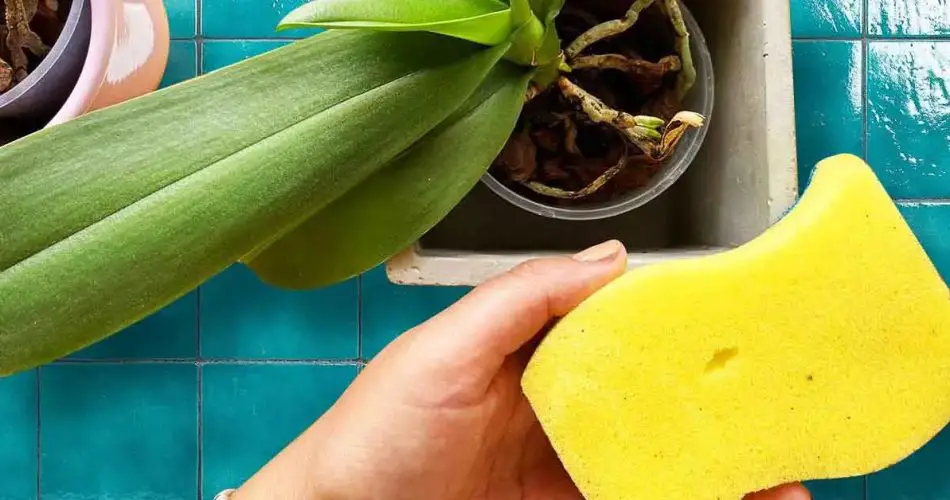
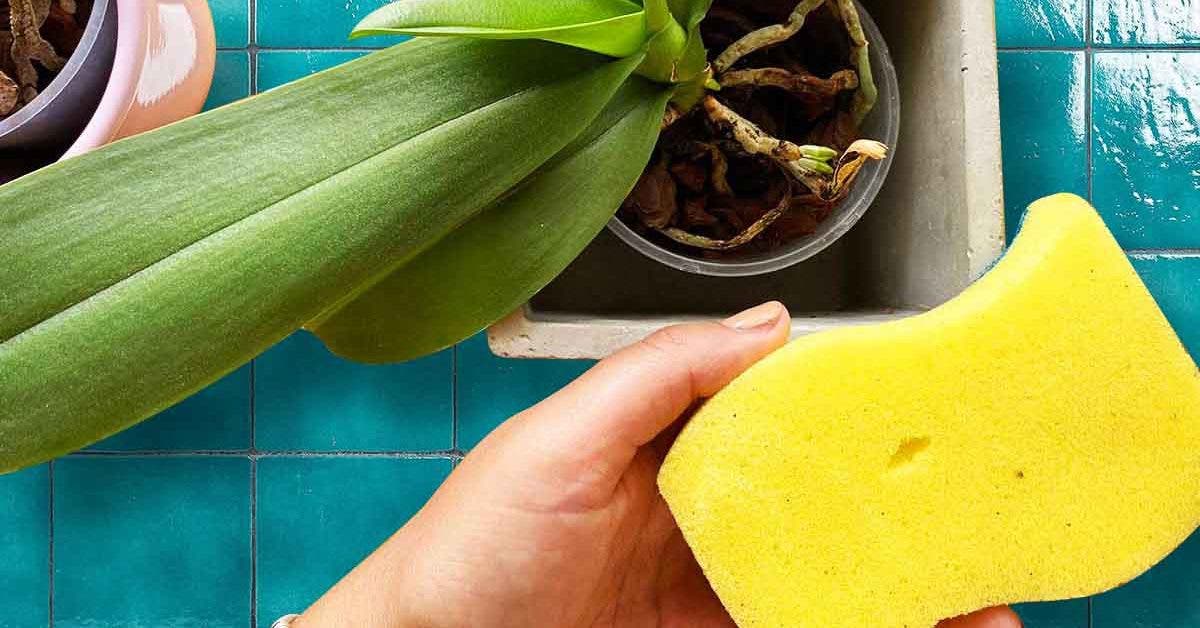
After pruning the damaged roots, your orchid still needs a way to regenerate. This is where the sponge trick comes in. Take a clean dish sponge and wrap it around the base of your orchid. Place the sponge in a glass filled with just a finger of water, ensuring that the sponge absorbs the moisture. The sponge acts as a natural medium for the orchid to start growing new roots. It creates a moist environment that encourages root regeneration without causing rot.
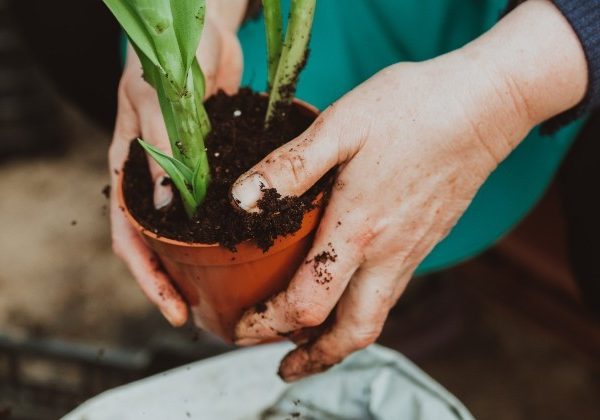
3. Repot the Orchid
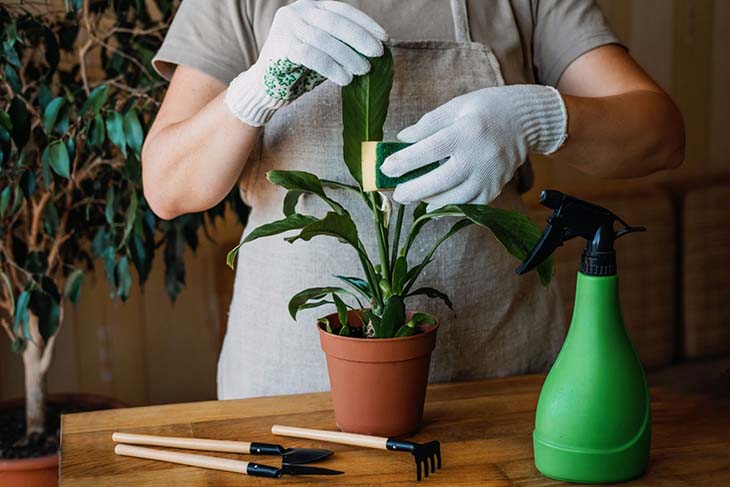
After about 2 to 3 weeks, you should notice new roots forming. At this point, it’s time to repot your orchid. Choose a suitable pot with fresh, well-draining soil. Water the orchid sparingly, keeping the soil moist but not soaking wet. To maintain the necessary humidity, lightly spray the leaves with water every 3 or 4 days to promote healthy growth.
Precautions for Success
- Seasonality: The sponge trick works best in warmer months. During the colder seasons, like autumn and winter, success rates may be lower.
- Light: Place the orchid in a bright spot, but avoid direct sunlight, which can stress the plant.
Alternative Method: Rooting with Peat and Sand
If the sponge trick doesn’t seem like the right fit, you can try a more traditional method of rooting your orchid using peat, sand, and sphagnum moss. After pruning the damaged roots and removing any faded flowers, place the orchid in a mixture of these materials. This will encourage root growth and help the plant recover. Be patient, as it can take two to three months for new shoots to appear.
Preventing Future Orchid Problems
The key to keeping your orchid healthy is preventing root damage in the first place. Here are some tips for orchid care:
Regular Watering

Watering is essential, but balance is crucial. Overwatering or underwatering can harm the plant. During the spring and summer, water your orchid more frequently, but always check the soil’s moisture level before adding more water. A good technique is to soak the orchid in a basin of water for 15-20 minutes. This allows the roots to absorb the right amount of water they need. Be careful not to overwater, as root rot can occur.
Choosing the Right Pot
Use a transparent pot, so you can monitor the condition of the roots. Orchids thrive when their roots are exposed to light. Choose a pot that allows light to penetrate, helping the roots stay healthy and strong.
Suitable Location
Orchids need bright, indirect light. Avoid direct sun exposure, which can scorch the leaves. Aim for a location where the humidity is above 60%—a bathroom or kitchen are ideal spots.
Fertilizing Your Orchid
Use a specific orchid fertilizer for optimal growth. During leaf growth, a nitrogen-rich fertilizer is recommended, while during flowering, a fertilizer with higher potassium content is best.
By following these care tips and the sponge trick, your orchid will have the best chance of survival and continued beauty. With patience and attention, you’ll keep your orchid thriving, enhancing your home with its stunning flowers for years to come.