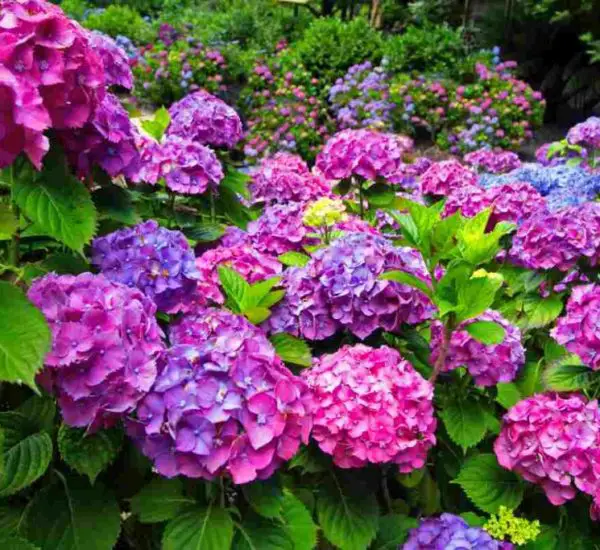
Hydrangeas are stunning shrubs known for their large, vibrant flowers. The most common colors are pink, white, and blue. One of the unique features of hydrangeas is that their flower color can be changed with a few simple techniques, allowing you to customize them to match your garden or interior. The color of these flowers is determined by the pH of the soil in which they are planted. With this step-by-step guide, you can easily modify the shade of your hydrangeas to achieve the color you desire.

1. How to Get Pink Hydrangeas
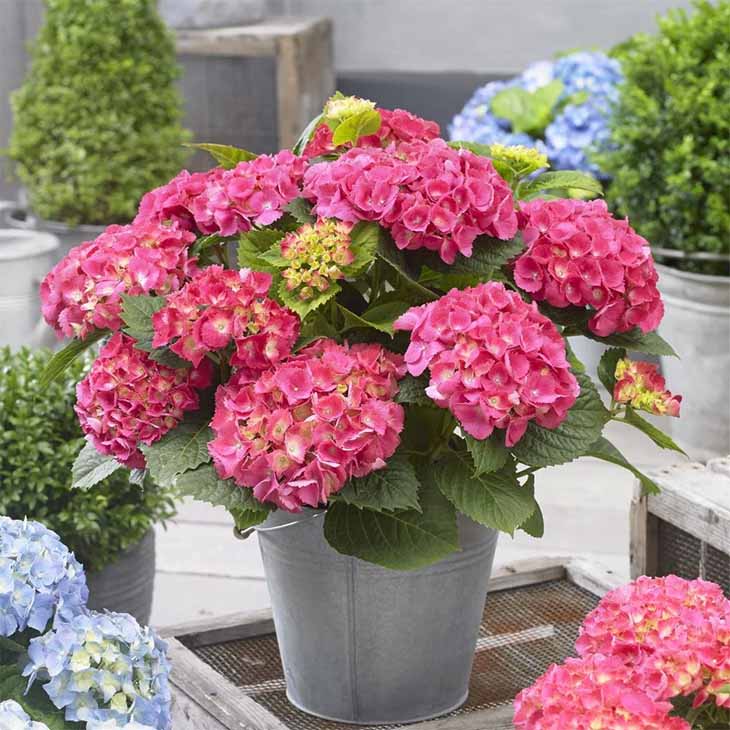
Pink hydrangeas are the most common variety and are typically the result of watering with clear water. The reason for their pink hue is that the pH of the soil is higher (less acidic), often due to the lime present in tap water. To achieve pink flowers, you can increase the pH by adding calcium nitrate or sawdust to the soil.
Important: This process should be used sparingly, as hydrangeas require acidic soil to grow healthy. Overuse of this technique may harm the plant over time.
2. How to Get White Hydrangeas
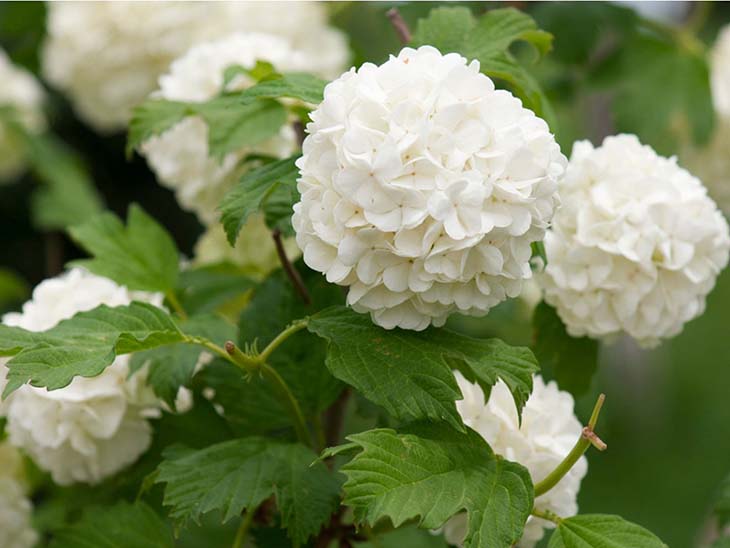
To turn your hydrangeas white, you’ll need to raise the pH of the soil to about 8. This can be done by applying fertilizers that are high in nitrogen and phosphorus, such as eggshells or meat substitutes. If you notice that the plant is not thriving, you can begin watering it with rainwater or filtered water to gradually bring the pH back down.
White hydrangeas are less influenced by soil pH compared to blue or pink hydrangeas, but adjusting the pH helps maintain their pristine white color.
3. How to Get Blue Hydrangeas
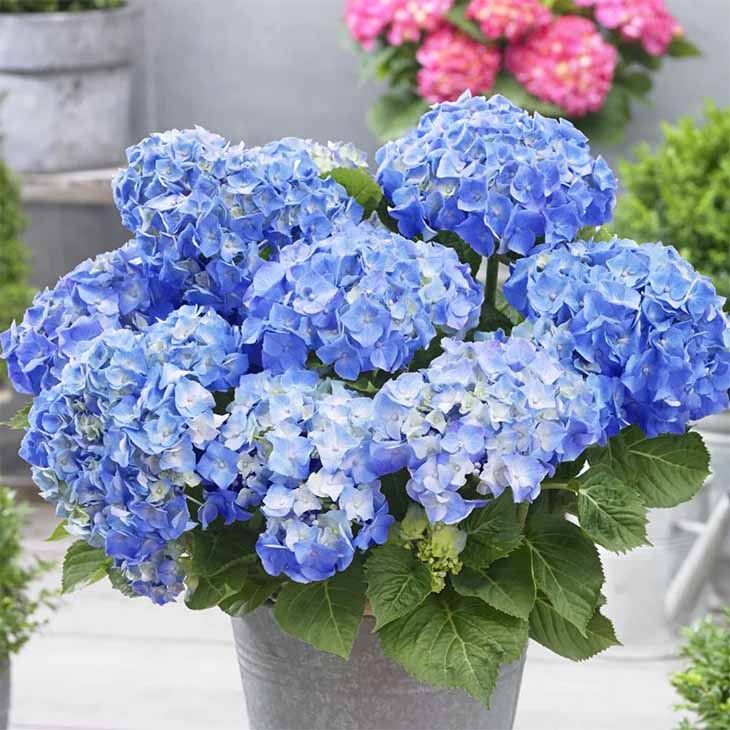
To keep your hydrangeas blue or make their blue color more vibrant, you need to lower the pH of the soil to below 5. This acidic environment is ideal for producing blue flowers.
To lower the pH, you can make a homemade solution of aluminum sulfate by mixing 2 grams of aluminum sulfate in 1 liter of water. Water your hydrangea with this mixture at least every three days to enhance the blue tone. You can find aluminum sulfate at most gardening stores.
This process works best for hydrangeas that naturally bloom blue, but it can also be used to intensify the blue shade of pink blooms.
4. How to Get Red Hydrangeas
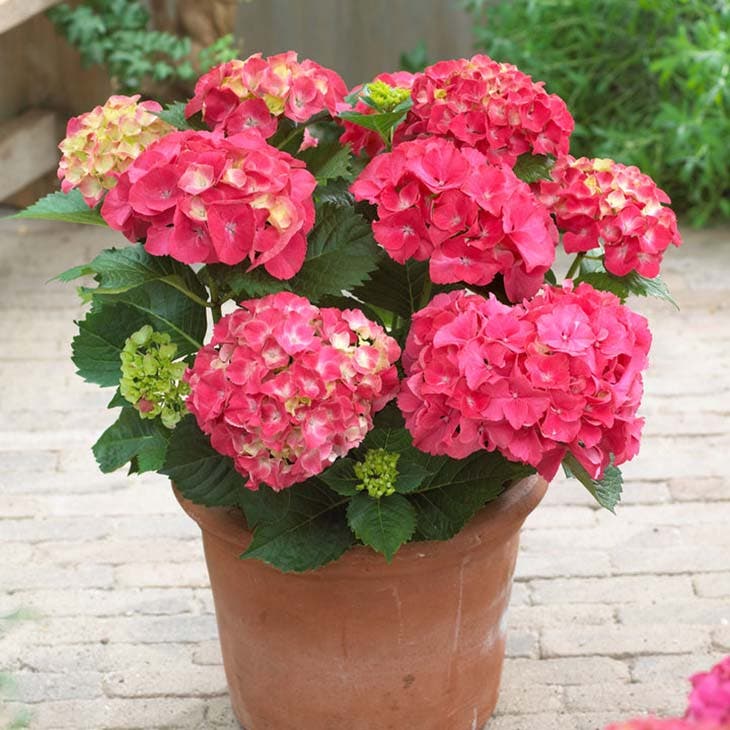
If you’re hoping to achieve red hydrangeas, the process is similar to changing the pH for blue or pink flowers, but you’ll need to raise the soil pH to 6 or 6.5.
To do this, add aluminum sulfate to the soil, which will help shift the color from blue or pink to a deeper red or brown hue. Red hydrangeas require slightly less acidic soil, but be careful not to overdo it, as prolonged use of high pH soil can damage the plant.
Tip: Use this method for a short period, so the plant doesn’t lose its health and can return to its natural color over time.
With these simple techniques, you can change the color of your hydrangeas and create the perfect floral display for your garden or home. Just remember that the soil pH plays a significant role in determining the color, so make sure to monitor and adjust it carefully for the best results. Happy gardening!