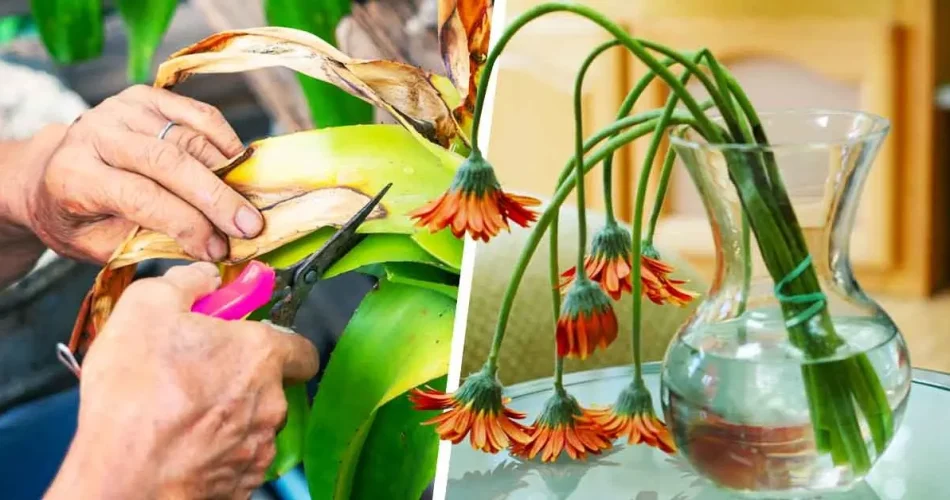
This time of year brings us closer to when plants begin to wake up and show their best side. By observing them daily, you will notice that some of them have brown, dry edges. Don’t panic: it’s more common than you think and the solution is very easy. No need to call an expert to fix it.
The first thing to know is that these symptoms are caused by a stressed plant. This may seem strange to you, but just like humans and animals, plants also suffer from stress. Not because of the tensions and hectic pace of everyday life. In the plant world, it is more linked to water, light or tight roots.
Thanks to these tips, you will see these leaves green up quickly and new shoots will appear as if by magic.
1. Excessive Watering
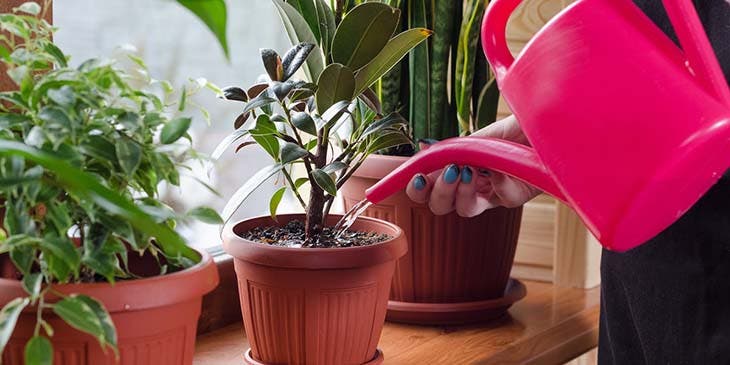
If water is very good for our plants, excessive watering is not at all to their liking. In truth, waterlogged roots are the beginning of rot. If this happens and the problem is not resolved by stopping watering, you should remove all the dirt from your plant and wrap it in paper until it dries. When replacing it, remember to place stones at the bottom to help with drainage and prevent this from happening again.
2. Dry Plants
This is the opposite case to that described above. The lack of water will be immediately noticeable as you will see the leaves droop and turn yellow. You should know that plants lose water through their leaves and absorb it through their roots, as if they were drawing liquid and sending it into the air. The solution is to water as soon as possible and move the plant into the shade, covering it with a bag to prevent water from continuing to evaporate through its leaves.
3. Tight Roots
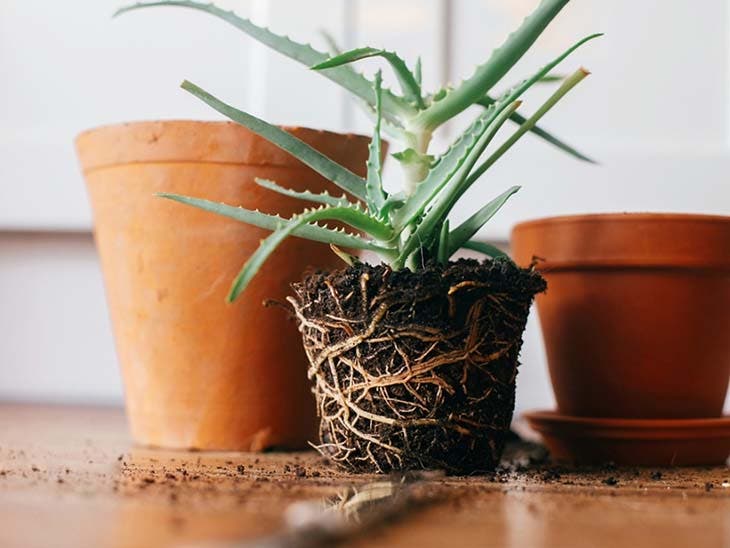
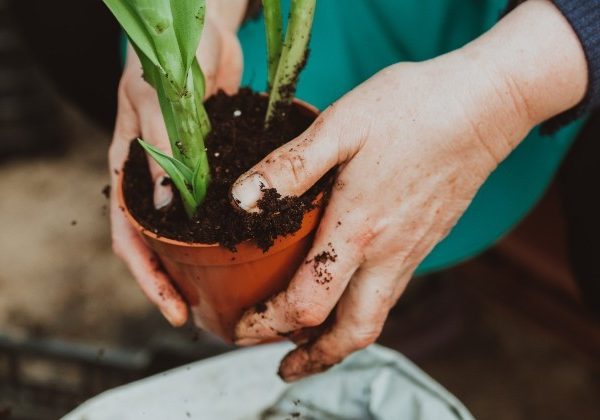
The best strategy is to check under the pot to see if the roots are coming out of the holes. This is a sign that it is damaged and that it needs to be changed as soon as possible. First cut off the dry tips, leaving a border so as not to endanger the plant again. Choose a large pot and fill it with soil and compost. It is important to add nutrients to your soil. Carefully pick up the plant when you plant it and water it with a trickle of water. As transplanting dehydrates the plant, don’t forget this last step.
4. Find out what your plant needs
All plants do not react in the same way and do not necessarily have the same needs. Some like sun, others shade, some need much more watering than others, more or less fertile soil, etc.
We recommend that you make a list of the plants in your home and write a table where you note all these parameters: watering, light, nutrients and size. Often, a simple change of location is enough to prevent your leaves from drying out.
5. Pay attention to the sun
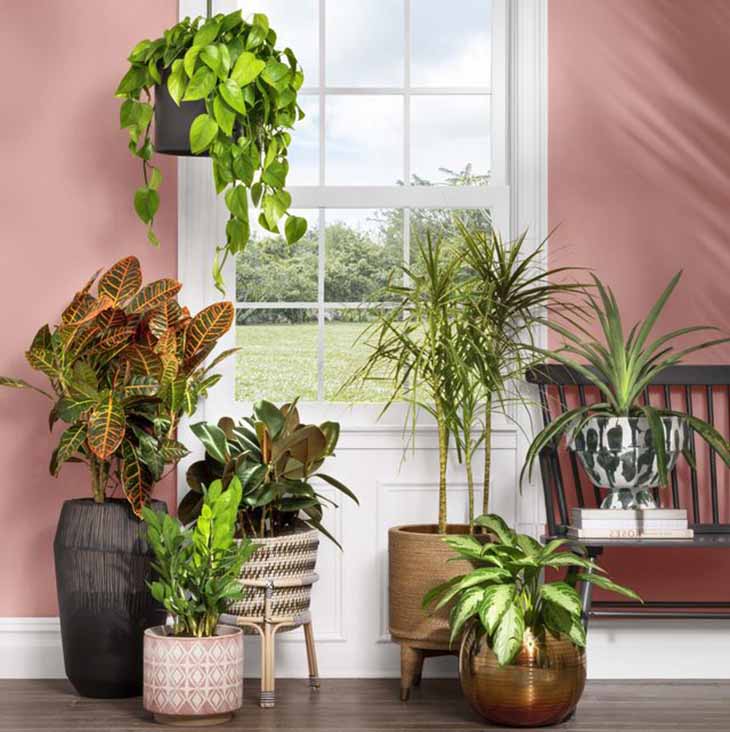
Too much sun usually causes leaves to dry out, especially in mid-summer. Remember, when watering, to do it on the ground and not on the leaves, because water on them multiplies the heat and burns the edges of the leaves. Spray only the leaves in the case of tropical plants.
6. Water Rest
If you do not have the possibility to collect rainwater, you must let the tap water stand for 48 hours. The chlorine that is usually added to drinking water evaporates and the limescale present in hard water is deposited. You will notice a big difference with this tip. But don’t skip any steps, because each one counts to beautify your plants!