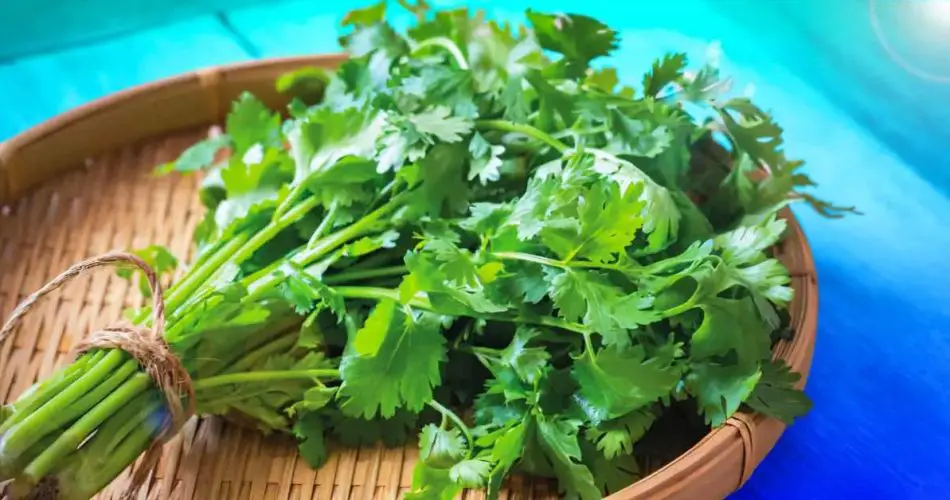
Despite some bitter detractors, cilantro is a delightful herb from the Orient that has made a significant mark on our tables, enhancing our dishes and aiding digestion.
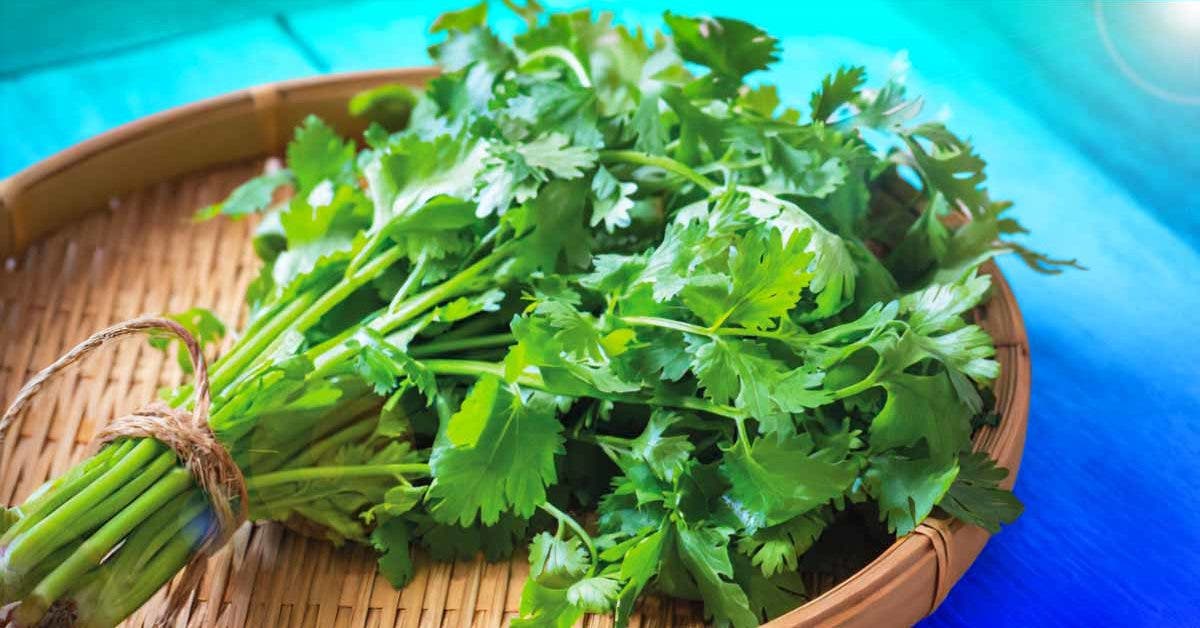
What is Cilantro?
Cilantro, resembling flat-leaf parsley, grows in tufts reaching heights of 60 to 80 centimeters. The stems are erect, cylindrical, and branch towards the top, while the leaves become more finely cut higher up. In summer, it produces white hermaphrodite flowers grouped in umbels.
Native to Western Asia, Southern Europe, and the Near East, cilantro thrives around the Mediterranean. Historical evidence shows its use for medicinal purposes on an Egyptian papyrus dating back 1,500 years. The name derives from the Greek word koris, meaning “bug,” referencing its unique odor, which some find reminiscent of crushed insects. This polarizing taste often divides opinions—people either love it or hate it!
Sowing Cilantro
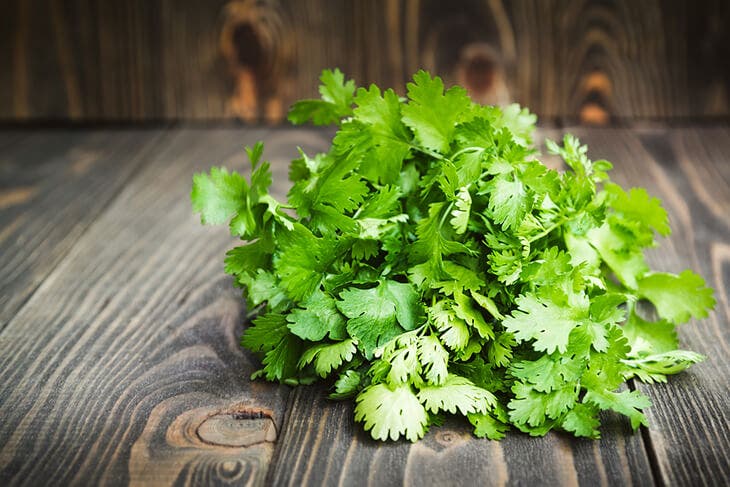
Cilantro is primarily a biennial plant, often grown as an annual. Here’s how to plant it:
- Sowing Time: Sow in March-April or September in mild climates.
- Spacing: Plant in rows spaced 25 centimeters apart, at a depth of ½ centimeter.
- Germination: Expect germination in about 15 days, though it may be irregular.
- Thinning: Once the plants have 4 or 5 leaves, thin them to one plant every 20 to 25 centimeters.
For container gardening, you can sow cilantro all year round at 18°C, keeping one plant every 15 centimeters in all directions. Regular sowing is essential to maintain a fresh supply of leaves.
Planting and Maintenance
If you only need a small amount, consider buying one or two mature plants from a garden center in April. For open-ground cultivation, space plants about 20 centimeters apart.
To ensure healthy growth:
- Watering: Keep the soil cool and moist, especially as warm months approach, to prevent premature flowering and seeding.
- Mulching: Apply mulch to reduce water loss and decrease watering frequency.
- Protection: Cilantro is sensitive to cold and does not tolerate wind well, so choose a sheltered spot in your garden. In autumn, lightly spread organic fertilizer to prepare for the next year’s growth.
Harvesting Cilantro Seeds
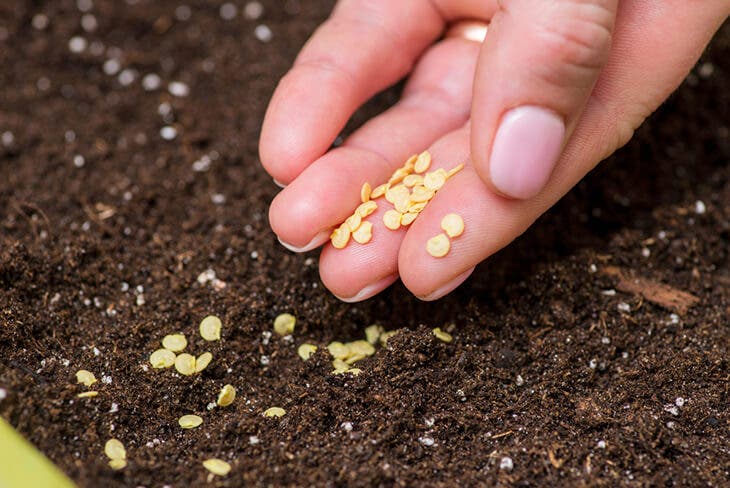
Cilantro produces grains (true seeds) that should be harvested when ripe. Here’s how:
- Timing: In August-September, cut umbels bearing dark brown fruits early in the morning to avoid heat loss.
- Drying: Dry the harvested seeds in the sun or a ventilated area. Once dried, beat them over a clean cloth and store in kraft paper bags.
- Storage: Save some seeds for planting next year; they retain germination power for five to six years.
Cilantro Varieties
There are several varieties of cilantro available, though still limited:
- Delfino: Features fern-like leaves.
- Lemon: Known for its subtle flavor.
- Morocco: Recommended for its smaller, more piquant seeds.
- Microcarpum: Less commonly found, mostly in Russia and Central Europe.
Culinary Uses of Cilantro
Cilantro is indispensable in Mediterranean cuisine. It enhances dishes like chorba, mechouia salad, and Moroccan tagines. For the best flavor:
- Use finely chopped fresh leaves, adding them to hot dishes at the last minute to preserve their taste.
- Cilantro leaves and ground seeds are also common in various spice blends and recipes.
Infusion Ideas
To enhance a bland cilantro infusion:
- Crush a tablespoon of cilantro seeds gently.
- Add to a teapot of boiled water.
- Include a dash of turmeric and citrus zest for added flavor.
- Filter and serve hot, optionally adding fresh cilantro sprigs for intensity.
Garden Infusion
For pest control, you can make an infusion:
- Steep 150 grams of fresh cilantro in 5 liters of boiling water for 30 minutes to 1 hour.
- Filter, let cool, and spray directly on plants to combat aphids and mites without dilution.
By planting cilantro in your garden, you not only enhance your dishes but also enjoy its numerous health benefits!