Unfairly overlooked by gardeners, cooks, and herbal tea lovers, garden tea is a delightful plant to sow in the coming weeks. You’ll thank us this summer!
What is Garden Tea?
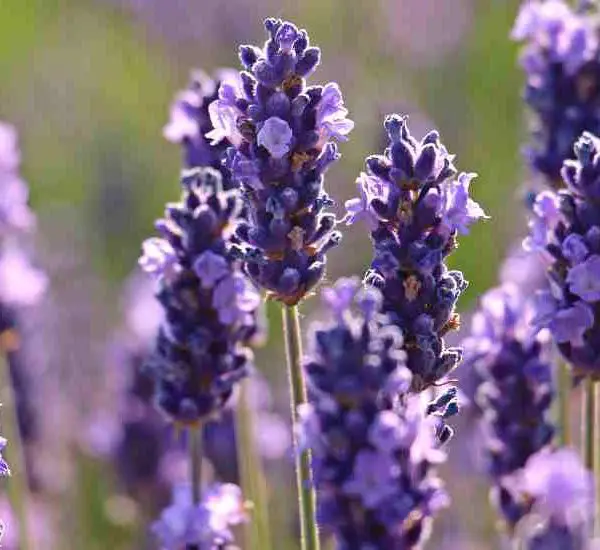
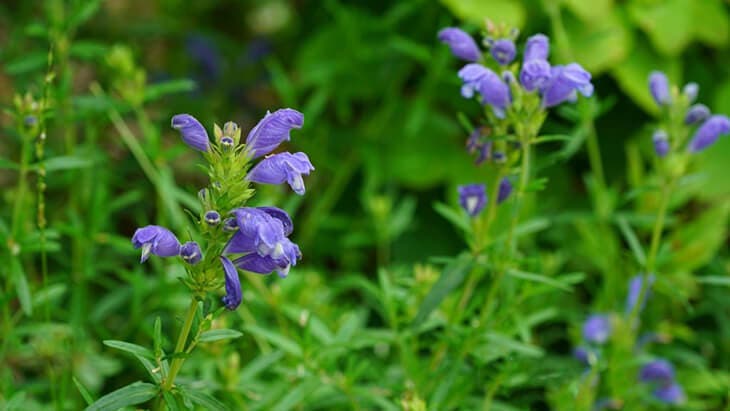
Garden tea, also known as dragon’s head, gets its name from the shape of its flowers, resembling the mouth of a mythical dragon. These flowers grow in loose terminal clusters and are a favorite among pollinators due to their nectar-rich and melliferous nature. Also called Moldovan lemon balm, this plant offers a light aroma and delicate flavor, making it perfect for flavoring raw vegetables, fish, fruit salads, and desserts. Its strongly lemony scent is popular in perfumery, and it provides refreshing drinks and infusions.
Growing Garden Tea
Sowing
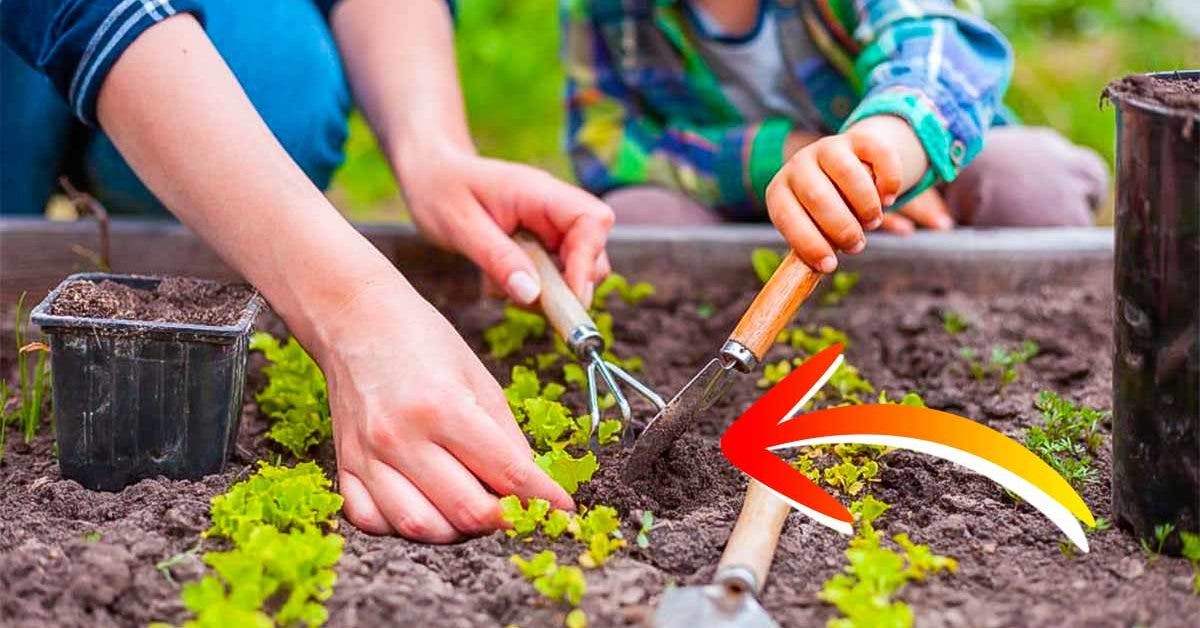
To protect against the cold, start by sowing in a warm location, aiming for April-May planting depending on your region. You can also do one or two additional summer sowings for tender leaves.
- Sowing Time: February-March at 18-22°C.
- Germination: Takes 10-12 days; growth is rapid.
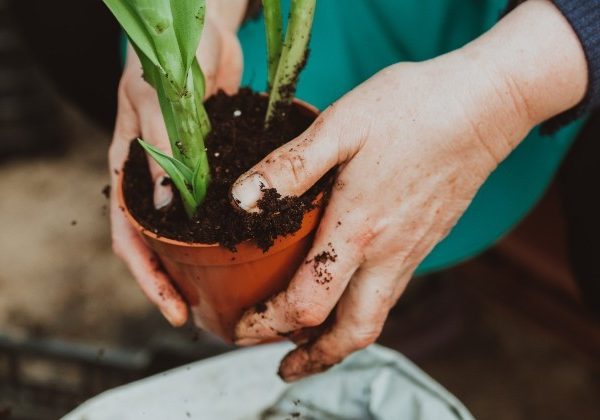
- Transplanting: When seedlings have two true leaves, transplant into individual pots (preferably compressed peat) to avoid disturbing the roots later.
If you’re tempted to skip sowing and buy plants, remember that garden tea is still uncommon and may not be readily available. When planting, maintain a spacing of 50 centimeters between plants.
Location
Choose a sheltered spot away from cold drafts. Although it prefers warmth, garden tea can tolerate partial shade, though this may affect flowering. Heat enhances essential oil production and strengthens its aromatic properties.
Soil Requirements
Ordinary garden soil works well, especially if enriched with a slow-release organic fertilizer in the fall. During summer, keep the soil consistently moist without overwatering; mulch can help retain moisture.
Multiplication and Harvesting
- Multiplication: Garden tea reseeds itself, so let it flower and set seed until late summer. You can also harvest seeds in September by cutting faded stems and shaking them over a cloth to collect the fine seeds.
- Harvesting: Start harvesting the first leaves after about a month, but wait a little longer for more developed plants. For best results, suspend watering 10-15 days before harvesting to enhance essential oil production.
Plant Profile
- Latin Name: Dracocephalum moldavicum
- Other Names: Dragon’s head, Moldavian lemon balm
- Family: Lamiaceae
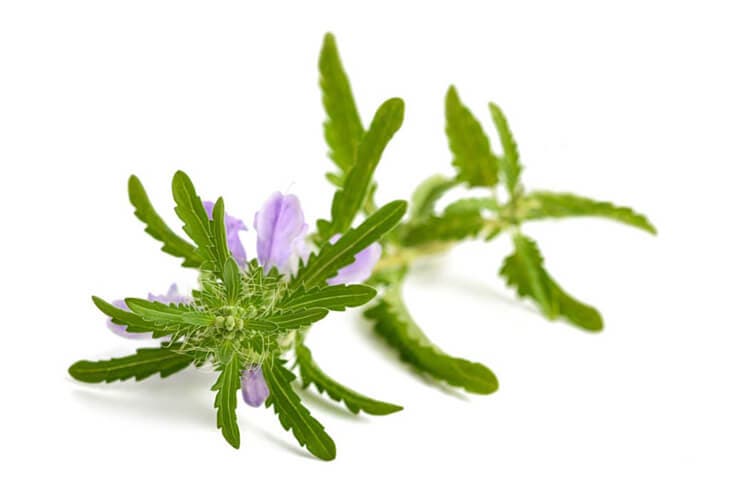
Garden tea grows in bushy clumps up to 60 centimeters tall. Its stems are quadrangular with slightly toothed, soft-to-touch leaves that are lanceolate to oval and a lovely gray-green color. The flowers are deep blue to slightly purplish, with a white-flowered variety available. All parts of the plant have a subtle lemony aroma.
Health Benefits
Garden tea is known for its comforting and wellness properties. Its infusion is digestive and calming, similar to many plants in the Lamiaceae family. It also has antiseptic, antioxidant, and liver-stimulating properties.
Potted Garden Tea
For container gardening, use a 25 cm diameter pot and treat it as you would in the garden. Support growth with monthly fertilizer for flowering plants, and remember to pinch the stems to promote bushier growth!
Explore More Garden Teas
Consider adding French tea or red monarda (Monarda didyma), a hardy rhizomatous plant with edible flowers and leaves that emit a pleasant bergamot and mint aroma. It’s rich in essential oils that can help relieve bronchitis and colds through inhalation.
Pest Resistance
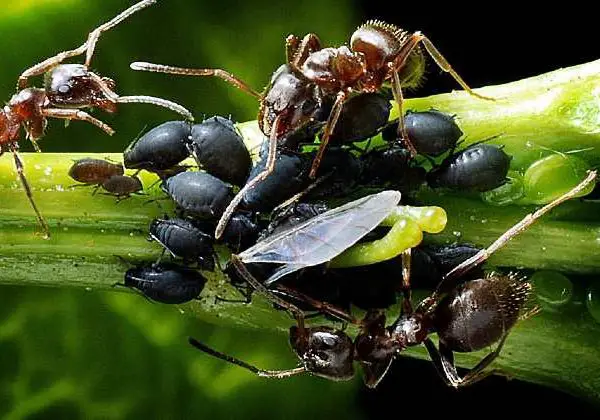
Moldovan lemon balm is generally pest-free, and its aromatic properties can help repel undesirable insects. Consider planting it among your vegetables and flower beds for natural pest control.
By incorporating garden tea into your garden, you’ll enjoy its many benefits and flavors all summer long!