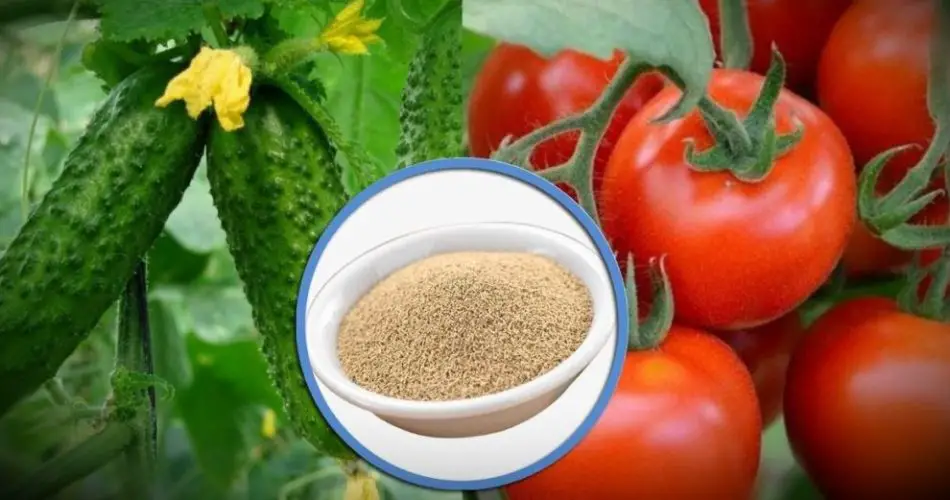
Harnessing the power of yeast has long been recognized as a potent way to boost vegetable yields and safeguard future harvests. A yeast-based solution not only stimulates robust plant growth but also enhances soil microflora while suppressing harmful microorganisms.
Preparing the Yeast Solution
To prepare a yeast solution for maximizing vegetable yields, follow these steps:
- Using Pressed Yeast:
Dissolve 1 kilogram of pressed yeast in 5 liters of heated water. Allow the solution to infuse for an hour. Before application, dilute 1 liter of this solution in 10 liters of water. This diluted solution is ideal for overall application to enhance soil fertility and plant health. - Using Dry Yeast:
Dissolve 10 grams of dry yeast in 10 liters of warm water. Stir in 2 tablespoons of granulated sugar. Place the mixture in a warm location for 2 hours to activate. Before use, dilute this solution in a ratio of 1 part yeast solution to 5 parts water. Water the plants at the root level with this diluted solution to promote healthy growth.
Application Methods
- For Seedlings: Use the yeast solution to feed seedlings, ensuring they develop robustly and thrive.
- For Strawberries Before Flowering: Water strawberry plants with a solution containing 100 grams of yeast per 10 liters of water to prepare them for flowering and fruit production.
- For Solanaceous Crops (e.g., tomatoes, peppers): Prepare a solution by dissolving 100 grams of pressed yeast and a pinch of sugar in 3 liters of warm water. Allow the solution to ferment for a week, then dilute 200 milliliters of this solution in 10 liters of water. Apply 1 liter of the diluted solution per plant to support healthy growth.
Additional Tips
- Apply the yeast solution in warm weather to ensure optimal soil warming.
- After using the yeast solution, supplement the soil with potassium fertilizers, as yeast tends to absorb potassium, supporting overall plant vigor.
By integrating yeast-based solutions into your gardening routine, you can significantly enhance vegetable yields naturally, fostering healthier plants and a more productive garden environment.
Show Comments