Orchids are among the most loved flowers because of their shapes and color varieties. However, we tend to think that these flowering plants require a lot of care when nothing could be further from the truth. Discover the advice of Philipe LeTellier, gardener in Oise, to grow this plant which adds a floral touch to your apartment. One thing is certain: it will remain robust for a long time, even if it is already faded with this ultimate guide.
If you have brought a beautiful orchid into your home and are concerned that it will wilt, there are solutions for keeping it even if it is somewhat wilted. With our step-by-step guide, you will give it a second life. Follow the leader !
How do you know if an orchid is dead?
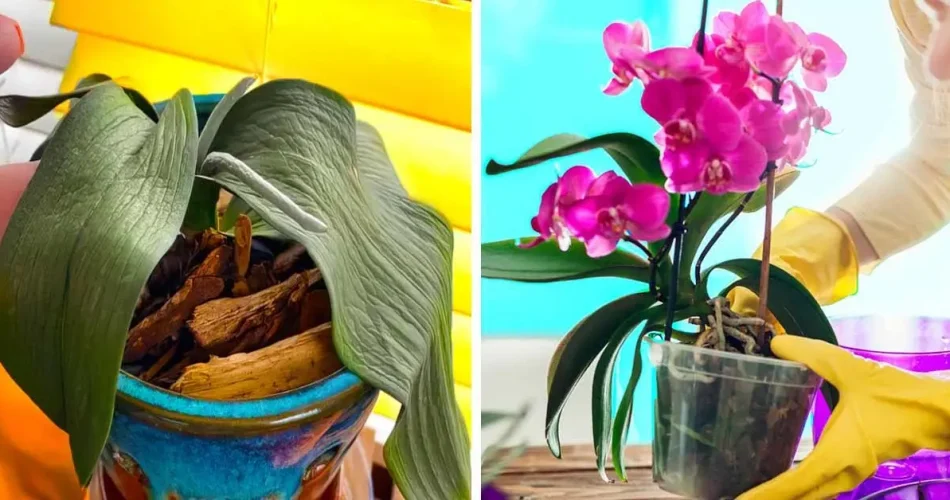
To know if your orchid is dead, there are certain signs to pay close attention to; If the leaves of your plant are yellowish in color, they fall one after the other and the roots turn brown, this means that your plant is unfortunately dead…
How to take care of orchids?
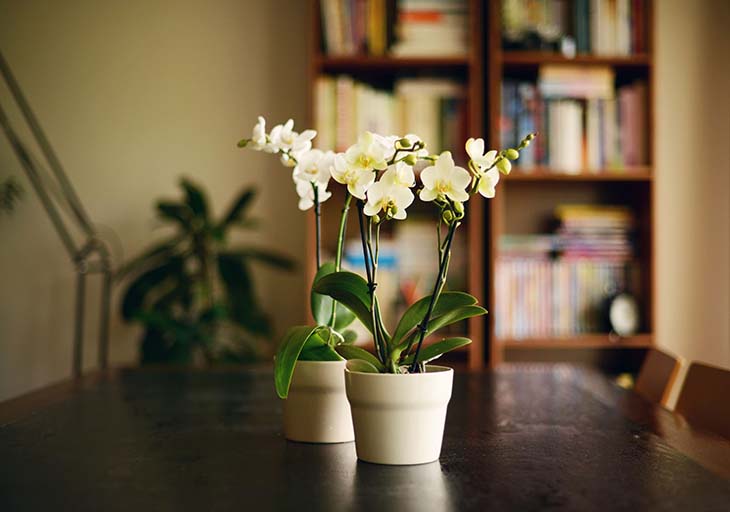
Success in caring for orchids comes from consistency, not the expertise of the owner. “Orchids need a few things to stay upright. Once you provide them with the best conditions, you will be able to enjoy them for several years. These plants may seem difficult to maintain but they require little maintenance if you follow these tips:
- Choose the right pot
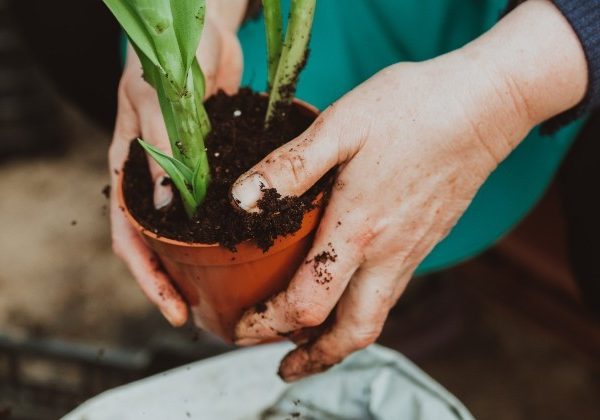
The first mistake to avoid when learning to care for orchids is using the wrong pot. In nature, orchids grow on the bark of trees. We will therefore have to try as much as possible to reproduce this environment. Instead of soil, use a pot specially designed for these flowers. Remember that you will need to repot your orchid as needed, approximately every two years. It is important to remember that in addition to a new container you will also need new potting soil.
- Keep your orchid in a location that receives bright indirect light
Orchids bloom near sunlight. They will therefore need to be placed in a location that receives bright indirect light for most of the day. These flowers can tolerate medium light but can be damaged by direct sunlight which can dry them out too quickly and burn the petals. »
East-facing windows are ideal because they receive light light early in the morning.
- Water your orchid sparingly (but regularly)
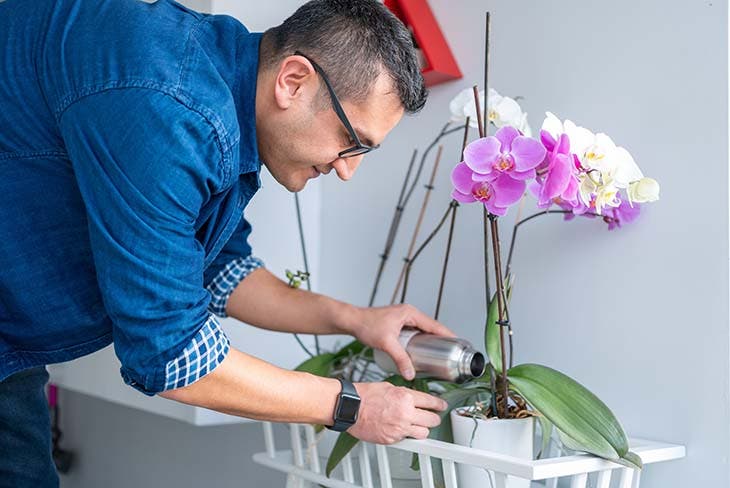
You may have heard that you should water your orchid with an ice cube, but that’s not necessarily the best idea. Consider the warm, humid climates where most orchids come from. Watering with room temperature water is the solution.
As for the recommended frequency, you should not water them more than once a week. Place it under a tap at very low flow for 15 seconds. When watering your orchid, remove it from the decorative pot (it should still be in a growing pot) and allow it to dry completely before returning it to the pot.
Flowers can last up to three months if plants are watered properly.
How to recover a dried or withered orchid?
- Remove the orchid from its container very carefully, taking care not to damage it.
- Collect the coconut fiber it is usually packaged with (it could also be another material).
- Mix coconut fiber with pine bark.
- Place the orchid in a bowl filled with water to soften the roots.
- Place the plant in a new container with good drainage. Make sure there are holes to ensure photosynthesis.
- Cover the orchid with the coconut and pine bark mixture.
- Spray a little fungicide on the leaves to strengthen them.
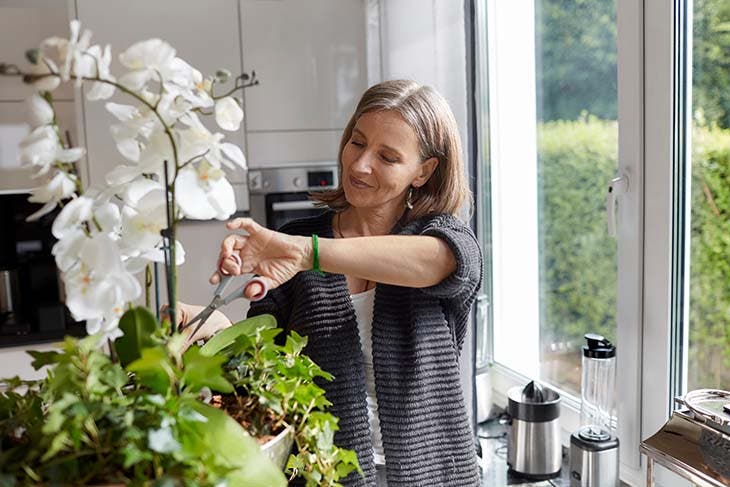
If the orchid does not yet have flowers , you can shorten the stem to concentrate its energy in a smaller space.
Remember to apply a specific fertilizer for orchids and take care of them daily. In no time, your orchid will be in full bloom.