To thrive, plants need more than just nutrients and light—they also require the right amount of water. Proper watering is essential to keep your plants healthy, both indoors and outdoors, preventing wilting and ensuring they maintain their green, vibrant foliage. But how do you know how much water each plant needs? Read on to discover expert tips on successful watering for your plants.
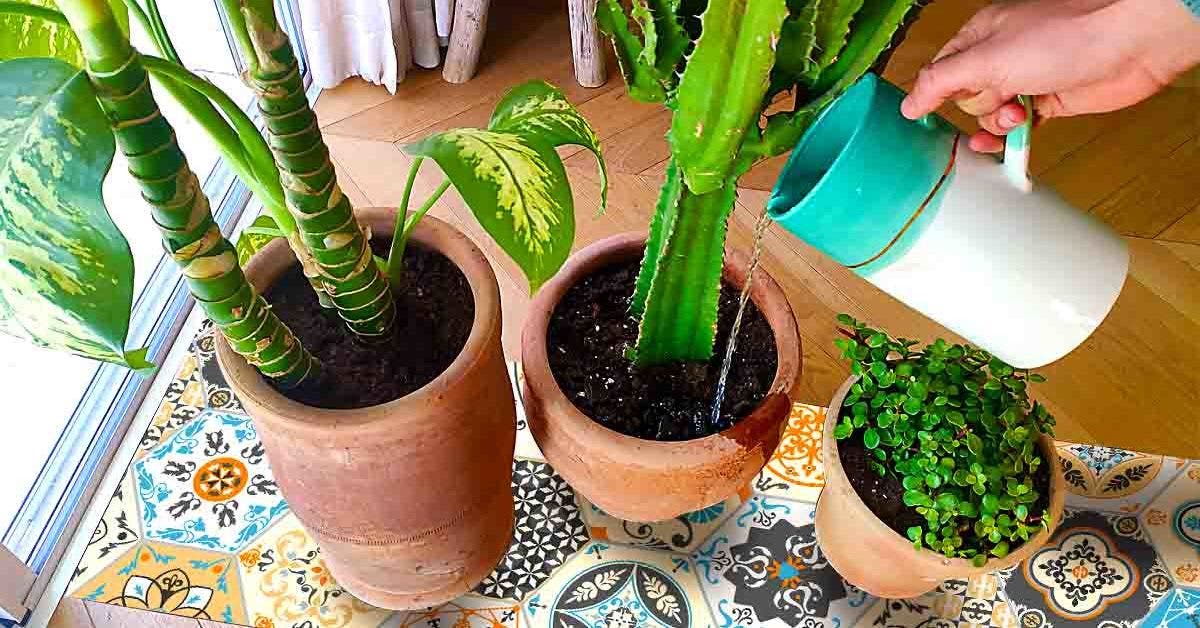
How Do You Know If Houseplants Need Watering?
To determine whether your houseplants need water, pay attention to two key indicators: soil moisture and the appearance of your plants.
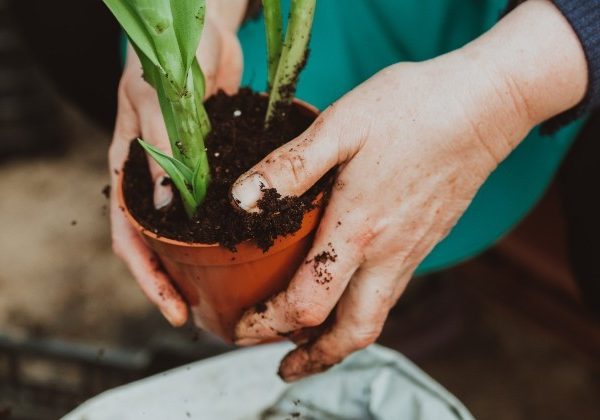
- Soil: Stick your finger into the soil up to about 4 cm deep. If the soil feels dry, it’s time to water. If it’s still damp or soggy, avoid watering, as this can lead to root rot and mold. Overwatered soil may also show signs of mold or fungal growth.
- Appearance of Plants: A plant that is thirsty will begin to show yellowing leaves, brown edges, and wilting foliage. In extreme cases, it may even lose its buds or leaves altogether.
How to Water Indoor Plants Properly
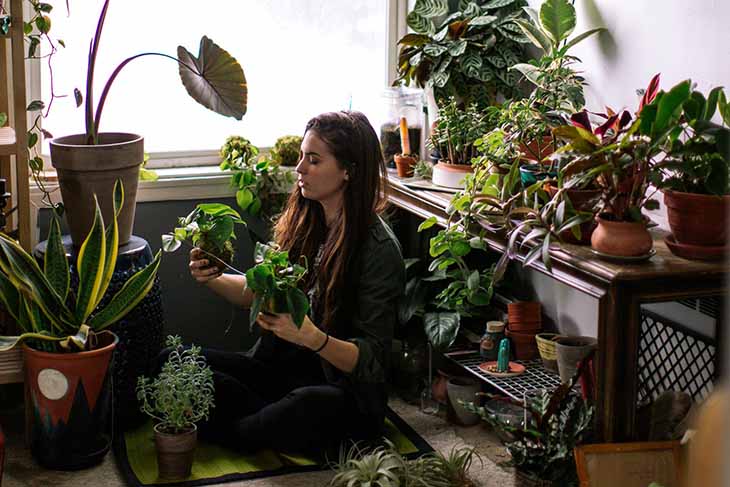
Alex Young, an expert at the Royal Horticultural Society, advises that not all plants have the same watering needs. For example, cacti and succulents require minimal water due to their thick, fleshy leaves, which store moisture. In contrast, plants with thin foliage, as well as those with buds or flowers, need regular watering.
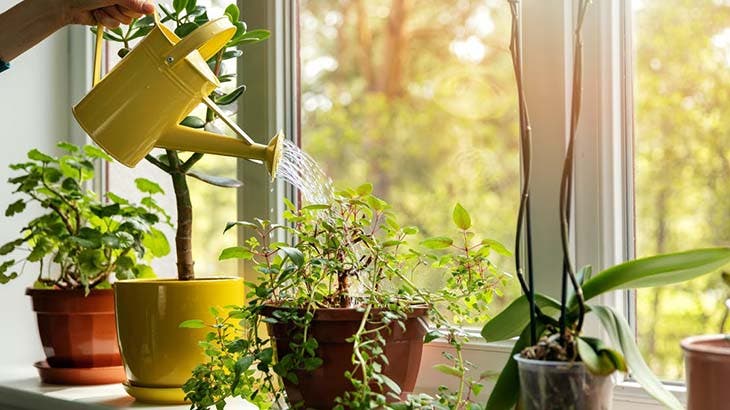
Alex distinguishes between two main methods of watering:
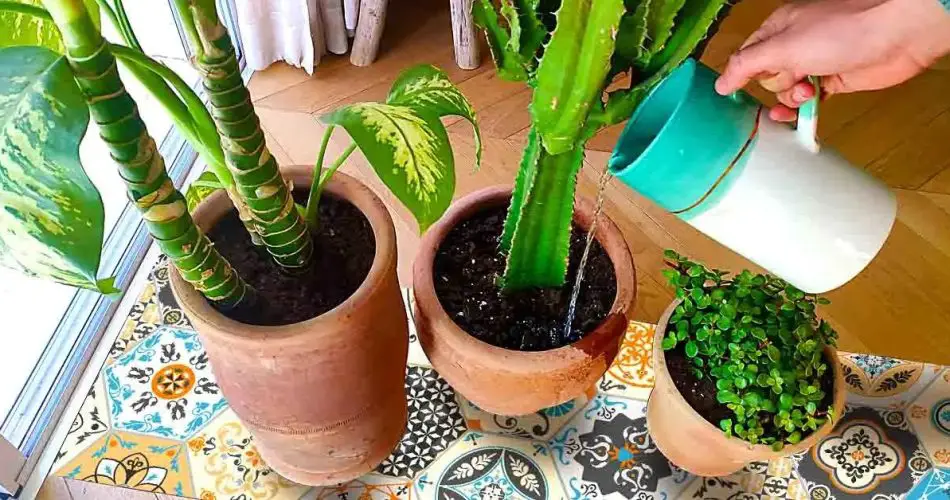
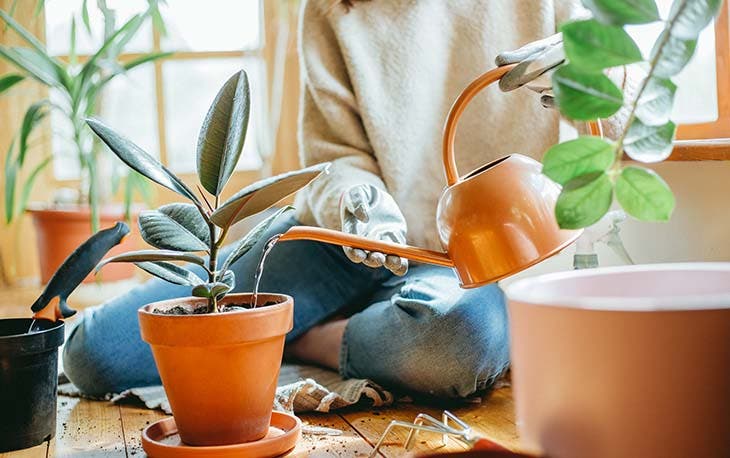
- Watering Can Method: This is the most common technique. Use a watering can to water the soil directly, avoiding the leaves. To prevent water from leaking through the pot’s drainage holes before the roots absorb it, place the plant on a drip tray. This allows the plant to soak up the water effectively. However, be sure to remove any excess water after a few minutes to avoid waterlogging and root rot. Over-watering can cause yellowing and soft, curled leaves, and lead to rotting roots.
- Soaking Method: For some plants, especially those with waxy or downy foliage, soaking the pot in a basin of water is effective. Allow the water to seep through the pot’s drainage holes. Once the bubbles stop forming, remove the plant from the water. This method works best for plants with very dry soil or those that don’t tolerate wet foliage.
Watering Frequency by Season
While the amount of water each plant needs depends on its type, it also varies with the seasons. During the vegetative growth period—from spring to late summer—most plants need more water to support their active growth. Conversely, in winter, plants generally enter dormancy, requiring less frequent watering.
For example, succulents may need water every 10-14 days during the growing season, but only once a month in fall and winter.
Tips for Successfully Watering Indoor Plants
- Water Temperature: Always water your plants with room-temperature water, neither too cold nor too hot. Extreme temperatures can cause a thermal shock to the plant and damage its roots.
- Water Quality: Use non-calcareous water to avoid introducing excess lime to your plants. Collecting rainwater or letting hard tap water sit for a while before using it can help reduce the lime content.
- Misting: In addition to regular watering, mist plants that require high humidity, like orchids or ficus. This not only helps maintain proper moisture levels but also helps dust the foliage and deter pests and parasites.
By following these watering tips, you’ll be able to properly care for your plants and ensure they stay healthy and lush, without the risk of wilting or overwatering.