Rosemary is a popular aromatic herb used in cooking to enhance the flavor of dishes like grilled meats, sauces, and vegetables. Its fragrant foliage and beautiful flowers—which range from pink to blue—also make it a fantastic addition to gardens, terraces, and balconies. To cultivate large and bushy rosemary plants, regular pruning is essential. Here’s how and when to prune rosemary for the best results.

When to Prune Rosemary?
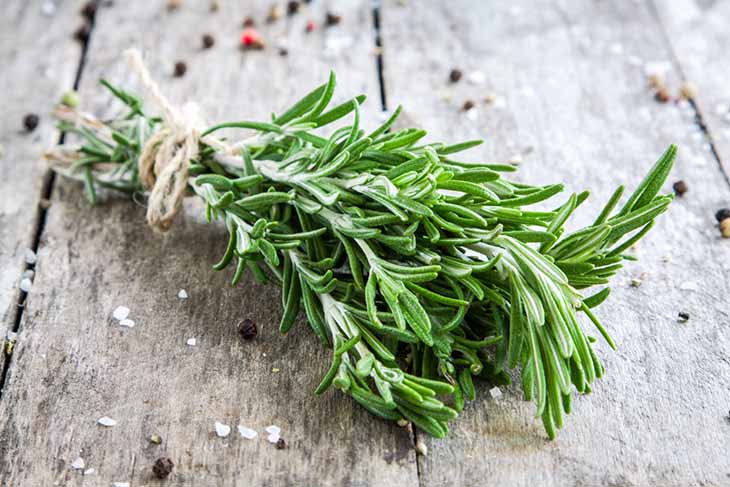
The best time to prune your rosemary plant is in spring or early summer, ideally between March and June. This period is when the plant is most active, and the warm weather encourages the growth of new, healthy foliage. Make sure to complete your last pruning 4 to 6 weeks before the first frost to allow new shoots to harden off before the temperatures drop. Regular pruning at the same time each year helps ensure consistent growth.
How to Prune Rosemary?
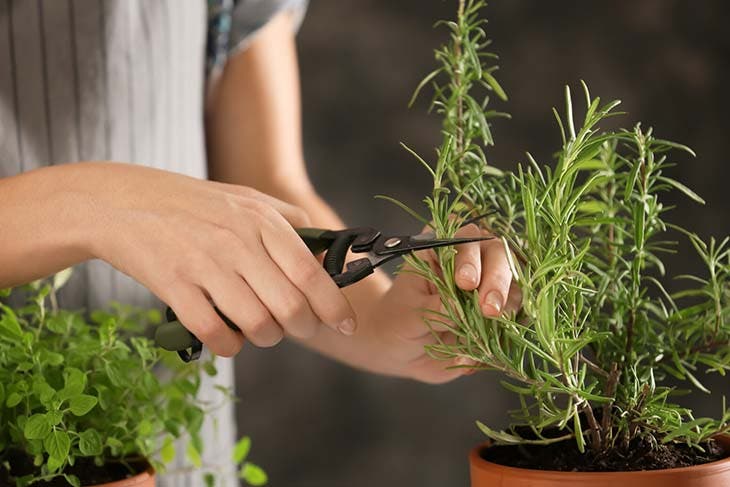
To start, ensure you have a sharp pair of pruning shears to make clean cuts that promote stronger regrowth. Follow these steps for effective pruning:
- Remove Dead Flowers: Start by trimming away any faded or dead flowers. These can be easily identified by their damaged appearance or lack of color.
- Trim Sick or Damaged Stems: Next, remove any damaged stems. This includes stems that have been affected by the cold or fungus. Signs of fungal infection include yellowing foliage or leaves that fall off prematurely. It’s important to remove the entire infected branch to prevent contamination from spreading to the healthy parts of the plant.
- Shape the Plant: When pruning, avoid cutting too close to the lowest leaves as this can harm the plant. You can trim the outer stems at an angle, but try not to create a uniform appearance—rosemary naturally grows thicker in some areas, so aim for a natural, bushy shape.
Pruning Rosemary in a Pot
For rosemary growing in a container, the same principles apply. Pruning helps to maintain a compact, bushy form, even in pots. Ensure your pot has drainage holes and use well-drained potting soil specifically designed for aromatic plants or vegetable gardens.

How to Care for Rosemary?
Rosemary thrives in sunny locations and is sensitive to frost and excess moisture. Here’s how to care for your plant:
- Watering: Rosemary needs regular watering, but make sure the soil is completely dry before watering again. Stagnant water can cause root rot, so always ensure your container has proper drainage. In the first year after planting, be consistent with watering. Once rosemary matures, it becomes more drought-tolerant.
- Fertilization: Rosemary doesn’t require heavy fertilization. However, regular pruning helps encourage new growth and keeps the plant healthy.
- Protection from Cold: In colder regions, cover the base of the rosemary with dried leaves or mulch to protect the roots from freezing.
- Weed Control: Regularly clean the base of the plant to prevent weeds from competing for nutrients and space.
Propagation of Rosemary
If you wish to propagate your rosemary, cuttings or layering are the best methods. Sowing seeds is not recommended, as it can take a long time for them to germinate. Propagate rosemary in spring for the best results.
By pruning your rosemary plant regularly, you will enjoy vigorous, healthy growth year-round. Not only will you benefit from its medicinal, culinary, and cosmetic properties, but you’ll also have a thriving, bushy plant that adds flavor and fragrance to your home and garden.