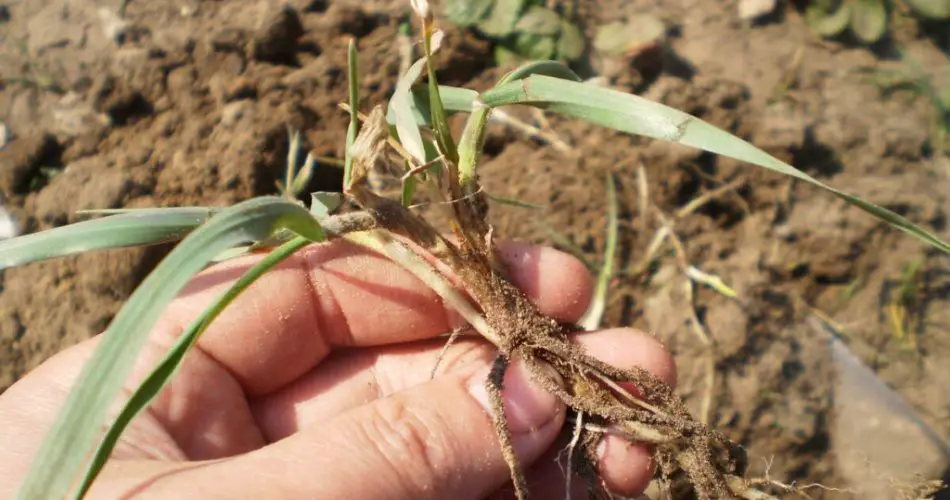
Wheatgrass poses a significant challenge for gardeners, capable of damaging crops and overtaking garden spaces. Discover effective methods to manage wheatgrass without resorting to chemical treatments.
Using Cardboard as Mulch
Cardboard serves as an excellent barrier against wheatgrass:
- Place thick layers of cardboard in areas where you do not intend to cultivate plants.
- The cardboard blocks sunlight and prevents moisture from penetrating the soil, effectively suppressing wheatgrass growth.
- Over time, the cardboard decomposes and enriches the soil, improving fertility.
- Secure the cardboard with wooden boards or sticks to ensure it remains tightly pressed against the ground.
Planting Jerusalem Artichoke
Jerusalem artichoke proves beneficial in combating wheatgrass:
- Use Jerusalem artichoke as a natural hedge or root crop with a distinct flavor.
- This tall-growing plant establishes quickly and creates an effective barrier against wheatgrass.
- After a few years of cultivation, wheatgrass struggles to grow within a two-meter radius of Jerusalem artichoke plantings.
- Consider planting Jerusalem artichoke along the garden perimeter to create a protective barrier, preventing wheatgrass intrusion into central garden areas.
- Additionally, Jerusalem artichoke helps eliminate hogweed, a poisonous plant, enhancing garden safety.
Conclusion
These methods offer simple yet effective ways to manage wheatgrass in your garden without resorting to chemical interventions. By utilizing cardboard mulch and planting Jerusalem artichoke strategically, you can effectively suppress wheatgrass growth and maintain a healthy garden environment. Incorporate these natural solutions into your gardening practices to ensure a productive and weed-free garden space.