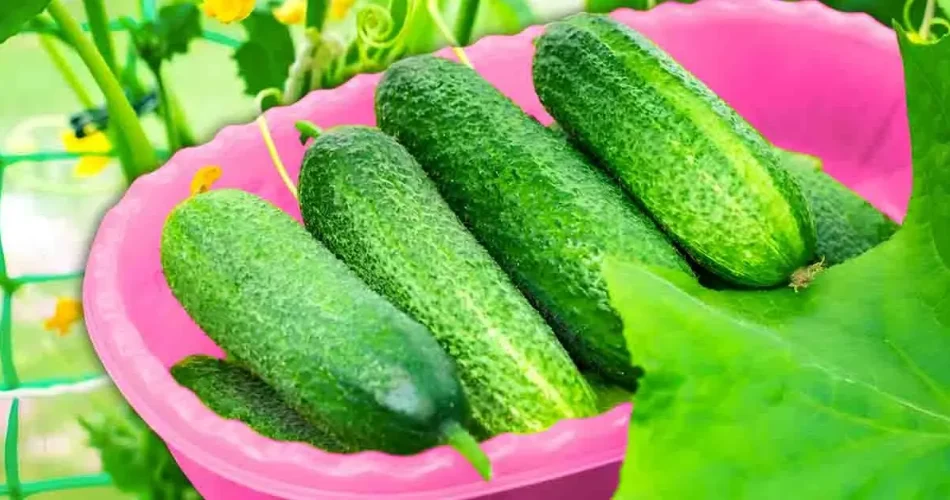
Cucumber is a summer vegetable appreciated for its water content and its refreshing effect. Native to Asia, the cucumber is an annual plant with deciduous foliage. In cooking, it can be eaten raw, in a salad, or with raw vegetables. Check out these 5 tips for getting crunchy, juicy cucumbers at harvest.
To enjoy fresh, crunchy and juicy cucumbers, it is important to successfully cultivate, but also harvest, this vegetable plant. To do this, we give you these 5 tips.
How to grow cucumbers and get a crunchy and juicy harvest?
To get crunchy and juicy cucumbers during harvest, you must first grow them successfully. To do this, you can follow these 5 tips.
Sow cucumbers at the right time
Before sowing or planting a vegetable plant, it is important to first know its planting period. Regarding cucumbers, you can sow them between March and May. Moreover, the cucumber appreciates sunny exposure and a temperate climate.
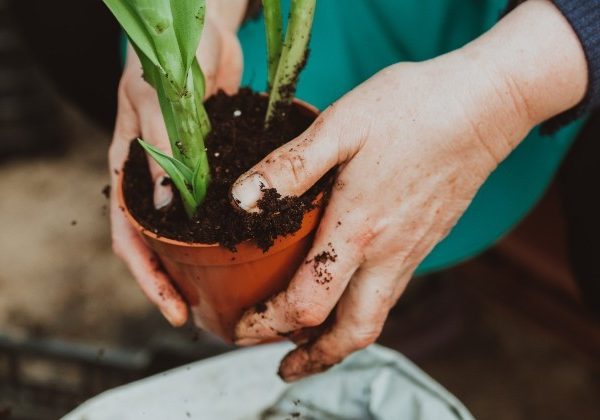
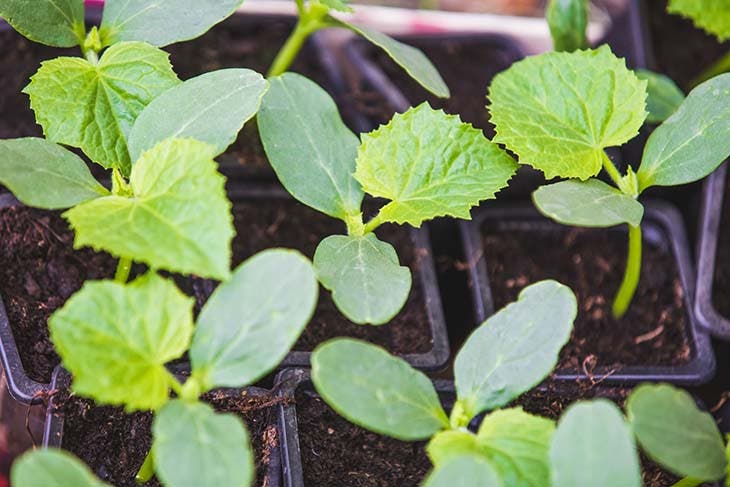
From March, sow the cucumbers under a heated shelter, putting 2 or 3 seeds per pot, exposed to a temperature of 20°C. After the seeds have emerged, you can transplant the vigorous plants into the ground, only from mid-May, at the end of the frosts. Keep a spacing of 1 m between plants.
Note that cucumbers do not like cold and frost. If you want to sow them directly in the ground, only do so after frost, generally around mid-May. Plant up to 3 seeds per pocket, i.e. per hole, also keeping a spacing of one meter between the plants.
Mastering Watering Cucumbers
Cucumbers like humidity, but do not like soggy soil. That said, keep the soil around the cucumber plants moist, but not excessively, to avoid root rot. Do not water with cold water as this may make your vegetable bitter. In this case, choose lukewarm water to obtain sweet cucumbers.
Water your cucumbers generously when planting, and then maintain a regular watering frequency. Water stress could also give your cucumbers a bitter taste. Try not to wet the foliage during watering, to avoid fungal diseases. You can also add mulch at the base of the plants to keep the soil fresh.
Prune Cucumber Plants
Pruning plants is important, it protects them from diseases, promotes their healthy and vigorous growth and stimulates their fruiting or flowering. That said, it is important to prune your cucumbers in order to optimize their growth and obtain a good harvest. To do this, pinch above the 2nd leaf, once the plants develop 4 leaves. This will cause two new stems to form. Pinch these at the 4th leaf, as soon as they have 6 leaves. After the cucumbers are formed, keep only 4 leaves per stem. Note that pinching a plant means pruning off the stem end, removing its growing tip.
Fertilize Cucumbers
The cucumber is a delicious vegetable plant that appreciates soils rich in nitrogen and potash. Fertilize the cucumber during planting and throughout the crop. Note that it is also advisable to fertilize the soil, during the fall before planting, in order to prepare it for growing cucumbers. To do this, you can add decomposed manure to the soil.
During cucumber cultivation, make regular additions of nettle manure, to stimulate the growth of the plants, but also to strengthen their resistance to diseases.
Harvest Cucumbers at the right time
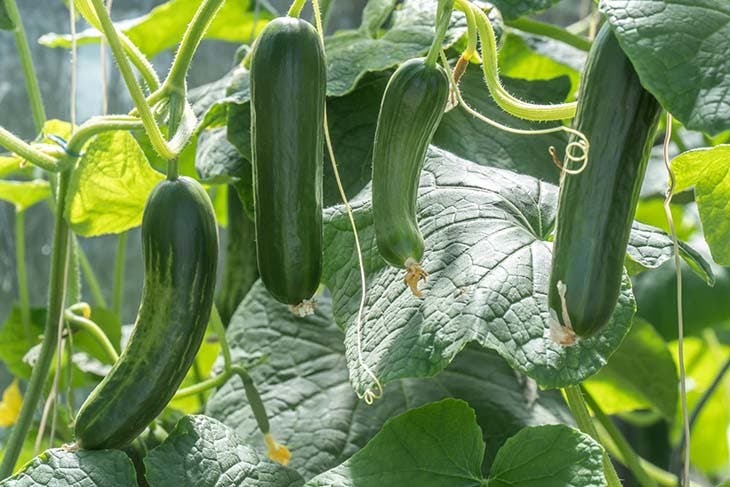
To obtain tender cucumbers, it is important to harvest them as soon as they reach maturity. Waiting too long will cause the seeds to harden, and therefore the cucumbers too. That said, you can harvest cucumbers as soon as the plants reach around ten cm, generally between 3 and 4 months after sowing. Picking cucumbers while they are still young will allow you to have crunchier and juicy vegetables.
Thanks to these 5 tips, you will succeed in growing cucumbers and obtain crunchy and juicy vegetables at harvest.