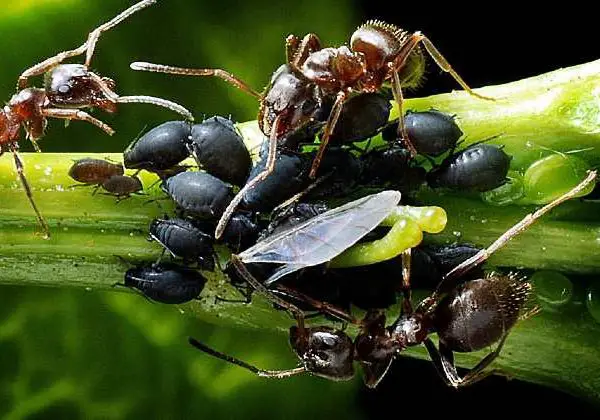
The presence of aphids in your garden or indoor plants can wreak havoc, causing deformities, wilting, and even the demise of beloved flora. Swift action is crucial to prevent crop loss and preserve plant health.
Effective Methods to Combat Aphids
Thankfully, several folk remedies can effectively eliminate aphids:
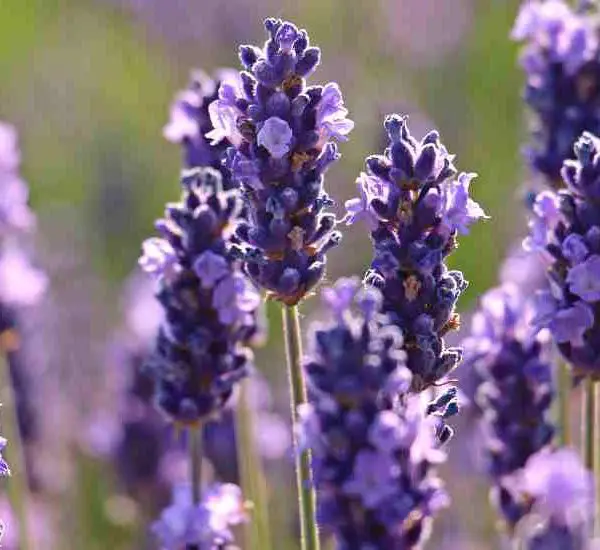
- Herbal Infusions: Chamomile, wormwood, garlic, mint, and lavender emit scents that repel aphids. To prepare, steep 200 g of herbs in 10 liters of boiling water, strain after several hours, and spray plants weekly.
- Soap Solution: Create a deterrent film by mixing 200 ml of liquid soap with 10 liters of water. Apply this solution every 3-4 days to hinder aphid attachment.
- Sticky Traps: Place yellow sticky sheets near affected plants to ensnare aphids and other pests.
Natural Predators
Invite these natural allies to combat aphids:
- Hoverflies: Attracted by aromatic plants like nettle and calendula, hoverflies are voracious aphid predators.
- Ladybugs: Release or encourage ladybugs in your garden; they actively consume aphids.
- Mockingbirds: Foster these birds by setting up feeders and nesting areas; they also feed on aphids.
Chemical Solutions
When necessary, resort to chemical insecticides:
- Aktara, Confidor, Fitoverm: These insecticides effectively eradicate aphids at all growth stages. Always adhere strictly to usage guidelines and safety precautions.
Preventive Measures
To preempt aphid infestations:
- Regular Inspections: Routinely check plants for signs of pests.
- Weed Control: Remove weeds promptly; they can harbor aphids.
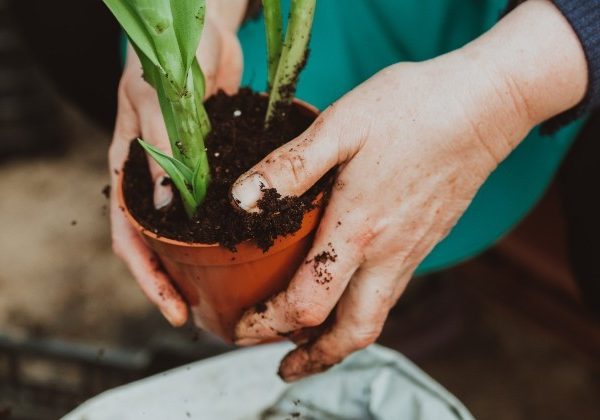
- Timely Watering: Avoid waterlogging; maintain proper plant hydration.
- Companion Planting: Marigolds, nasturtiums, calendula, and garlic repel aphids naturally.
Conclusion
By employing a holistic approach—utilizing folk remedies, encouraging beneficial insects, and judicious use of chemicals—you can safeguard your plants from aphids and safeguard your harvest. Remember, prevention through diligent plant care practices remains the best defense against aphids.