Having plants in our homes is a delightful way to connect with nature, improve air quality, and add a touch of greenery to our spaces. However, if you notice that your plants have yellowing leaves, wilting, or black spots, it’s a sign that something is amiss. While indoor plants are generally easier to care for, avoiding common mistakes is crucial to keeping them healthy and attractive. Here are five mistakes to avoid to ensure your plants thrive and remain beautiful.

1. Exposing Plants to Excessive Sunlight

Not all plants can handle prolonged exposure to direct sunlight. While succulents and cacti are adapted to full sun, many indoor plants are not. Overexposure to UV rays can cause leaves to burn, leading to dark, wilted spots and eventual leaf drop.
To prevent this, use shading devices such as veils or screens to filter sunlight, or position your plants where they receive indirect light or light reflected from walls.
2. Overwatering

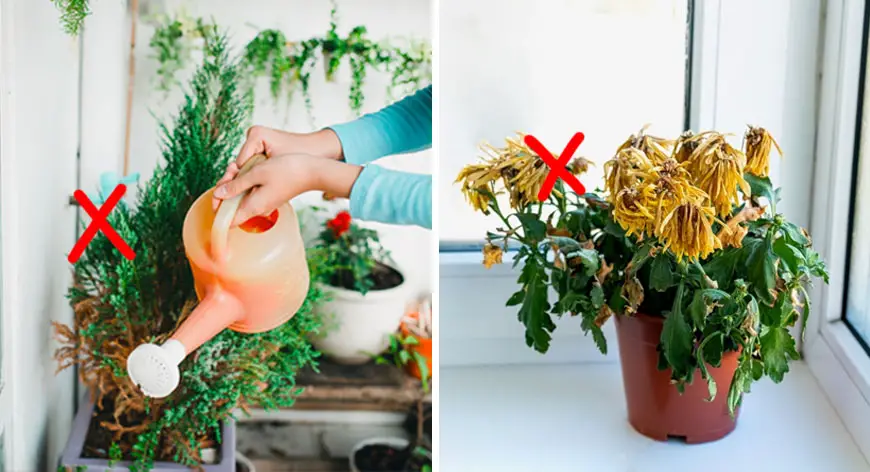
Different plants have varying water requirements. While cacti can endure longer periods without water, tropical plants typically need more frequent watering. Overwatering can lead to waterlogged soil, which impairs root oxygenation and nutrient absorption, resulting in blackened leaves and potential plant death.
To avoid overwatering, check soil moisture by inserting your finger, a pencil, or a skewer stick into the soil. If moisture is present in the deeper layers, delay further watering until the soil is dry.
3. Neglecting Leaf Dust

Dust accumulation on large leaves can obstruct leaf pores, hindering their ability to breathe and perform photosynthesis. This dust layer not only impacts the plant’s appearance but also its overall health and growth.
Clean your plant’s leaves weekly with a damp cloth or a cloth moistened with water or alcohol to remove dust and keep your plant looking vibrant.
4. Overusing Fertilizer

While fertilizer is essential for plant growth, excessive amounts can overwhelm plants, leading to nutrient burn and stunted growth. Over-fertilization can also make plants more susceptible to diseases and cause root damage.
Follow fertilizer instructions carefully, applying the correct amount and frequency. Avoid over-fertilizing, and consult with a nursery expert if you’re unsure about the appropriate dosage for your plants.
5. Using an Incorrect Pot Size

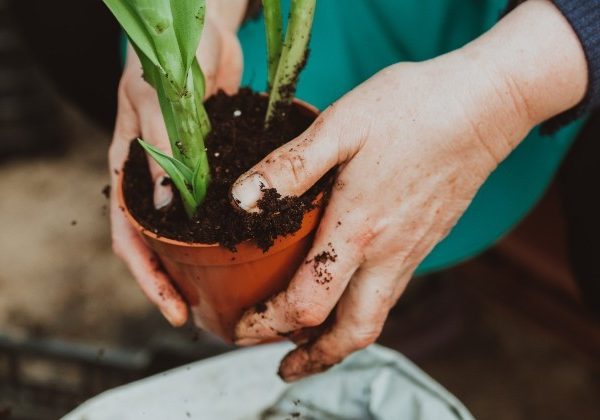
The right pot size is crucial for plant health. Plants with long root systems require larger pots to accommodate their roots, while smaller pots are suitable for plants with compact root systems. A pot that is too small can lead to root crowding, while a pot that is too large can cause excess moisture and root rot.
Consult with a gardener or nursery professional to select the appropriate pot size for your plant’s specific needs.
By avoiding these common mistakes, you can ensure that your plants remain healthy, vibrant, and an attractive addition to your home. Proper care and attention will keep your plants looking their best and enhance your indoor environment.