Having attractive plants at home or in the office is a promise of conviviality and calm. And it brings cheerfulness and a luxuriant look to the room! The problem: even if you take care of it correctly, it is difficult to prevent the invasion of insects. As soon as there is a little greenery around, these pests can’t help but prowl around. Unfortunately, your flower pots can quickly suffer. This type of infestation can do a lot of damage to your plants.
How to prevent disease, rot and stunted growth of your pretty plants? Thanks to the tips that we are going to reveal to you.
How to protect plants from pests?
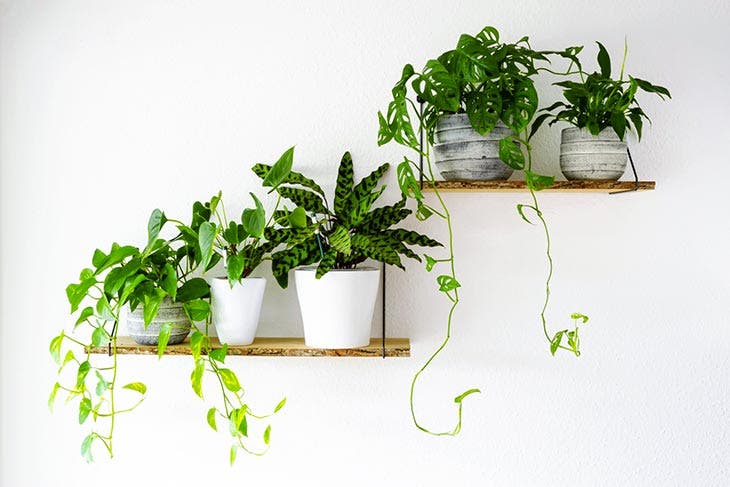
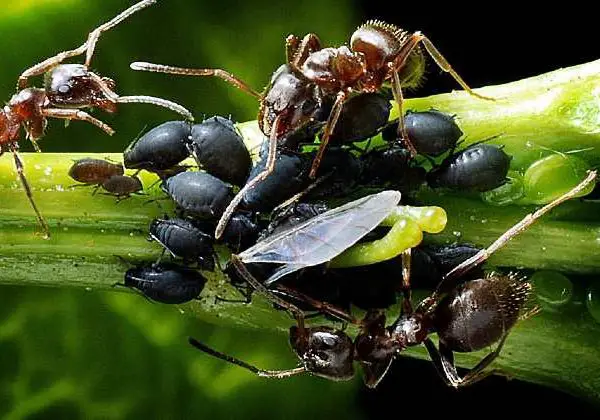
Many parasites can be seen with the naked eye. We often notice them crawling on the leaves of our plants and we try to get rid of them one way or another. But, many of them are also microscopic and therefore impossible to detect. They tend to hide in potting soil, especially when it is moist and warm. Gnats, spiders, fleas, aphids, weevils. All these pests have the capacity to insidiously destroy your plant or weaken its roots, leading to its disappearance. Explore strategies to counter them.
Matches
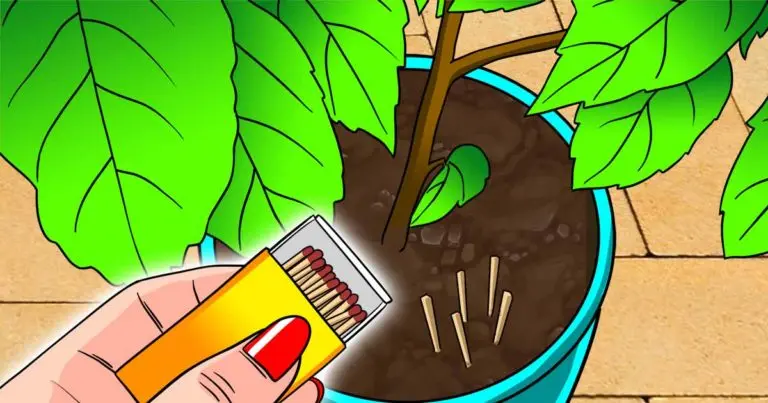
In fact, they nibble the roots and the plant ends up yellowing, drying out and dying. But, fortunately, matches will come to your rescue to repel them naturally. This method will definitely please you: these ordinary sticks will not only help you chase away pests, solve the problem of weeds, but also the loss of nutrients from the substrate.
The process is simple: take a few matches and simply stick them upside down in the potting soil (head down). The larger the pot, the more matches you will need. The chemical composition of match heads has a toxic effect on pests. The insects will inevitably move away. But that’s not all: matches are rich in potassium, phosphorus, magnesium and phosphate. They will therefore act as a real repellent and will also provide essential substances to the soil to nourish the plant.
Therefore, thanks to the supply of these minerals, you will be able to stimulate the growth of your plants. Just use a few matches to prepare fertilizer: throw about fifteen matches into the watering can and fill it with water. Leave to rest until the next day. The match heads will dissolve and imbue the water with their properties. All you have to do is water your flowers every two weeks with this liquid fertilizer. This is an effective and very economical fertilizer!
Baking soda
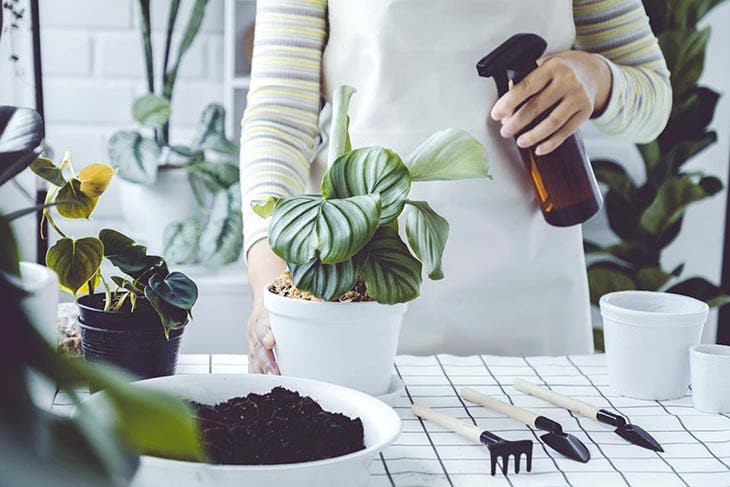
Aside from these remarkable cleaning properties that you probably already know, baking soda is also effective in fighting fungal diseases and keeping away parasites that lurk on the leaves. How to prepare this homemade insecticide and fungicide? In a liter of water, mix 1 tablespoon of baking soda and 1 tablespoon of neem oil. Then spray this solution directly on the infested areas of the plant to get rid of pests once and for all.
Red chili powder
Red chili powder is often used in severe cases of pest infestation in plants. It is a powerful repellent, especially for repelling aphids. The remedy is simple: Merge 2 tablespoons of red chili powder with 6-7 drops of liquid detergent. Pour this mixture into a large container containing four liters of water. Let this solution sit overnight. The next day, pour it into a spray bottle and spray it on the affected parts of the plant. It really works: those who have used this spray say that the parasites disappear very quickly after just one application.
Neem leaves
Neem leaf is found to be a very effective natural pesticide to combat various harmful insects. It is therefore an ideal option to prevent insect infestation in your houseplants.
Directions for use: Soak the neem leaves in water overnight. Boil the water carefully with these leaves the next morning. Remove the leaves and set aside to allow the water to cool. Because it is this neem-infused water that you will spray on the infected plant. The smell and taste will immediately deter insects. For greater effectiveness, use this spray twice a week.