Fall is a great season for all gardeners. October is the ideal time to prepare your plants for the arrival of winter and protect them against damage caused by snow and especially frost. In particular perennial plants such as geraniums which must absolutely overwinter to protect themselves from winter frosts. If you grow it in your garden, you need to know the proper procedure for proper overwintering. Follow our tips to ensure your beautiful, colorful geraniums don’t rot and survive the winter safely.
From its botanical name “pelargonium”, geranium is a magnificent rustic plant of various varieties which features abundant and very colorful flowers. Oscillating between white, pink, red or purple, they bring a real touch of cheerfulness and fragrant freshness to the garden or on the balcony.
Review each of your stews. After generous flowering all summer, the geraniums must now go into rest to have a peaceful winter. They will leave even better in the spring. Careful grooming is required: remove dead parts, likely to harbor disease spores or parasites, so they will not fall into the wintering room. Do not put them in the compost as they risk contaminating it.
Prune the stems that are too long and bare above a branch or leaves, then the others to the same height. Give the tuft a compact shape. Do not leave flowers or buds that would keep the plants active when they should go dormant. The drop in temperatures and shorter days will help them.
After cleaning the pots, group them under the overhang of a roof or an awning to insulate them from the rain. Water little and stop using fertilizers. This stage between life in the garden and wintering prepares the plants for new growing conditions. You will bring them in as late as possible, before the first frosts.
The right technique: Great grooming in three steps valid for all types of geraniums
1. Remove dry or damaged leaves by hand, delicately, so as not to injure the stems or cut them with pruning shears.
2. Reduce the geraniums by approximately half their height. Remove all the flowers, even if a few are still beautiful.
3. Brush the walls of the container, paying particular attention under the rim and on the bottom because parasites or diseases can be found there.
Ivy Geraniums

Once you decide to overwinter these geraniums, you need to provide them with enough light and a temperature above freezing. With their smooth, shiny foliage, they are a little more sensitive during the winter. Before moving your geraniums to a safe location, prune the plant to retain its leaves. Do not water them too much during the winter period, but make sure that the soil is not very dry either. In spring, they will need more heat and light to regain their beautiful appearance and offer abundant flowering.
Tyrolean geraniums

Overwintering is not necessary for this category. It would be best to prepare the cuttings in autumn and take good care of them during the winter. In spring, simply transplant them into a pot and you will get magnificent, healthy, perennial plants. Take care of your plants by providing them with constant irrigation and a temperature of around 10 to 15°C. In spring, place them in a sunny, warm location. You will see that your geraniums will grow very quickly.
Traditional geraniums
How to manage the most popular geraniums that we have at home?
- Stop watering them before frost arrives.
- Get them out of the ground in time and remove some soil from the roots.
- Do not cut anything, but remove the diseased parts.
- Then wrap the stems in newspaper.
- Simply store the geraniums prepared in this way in the cellar and wait for spring.
- At that time, you can replant them in the pot and you will notice the appearance of lush flowers.
This method remains the simplest and most reliable.
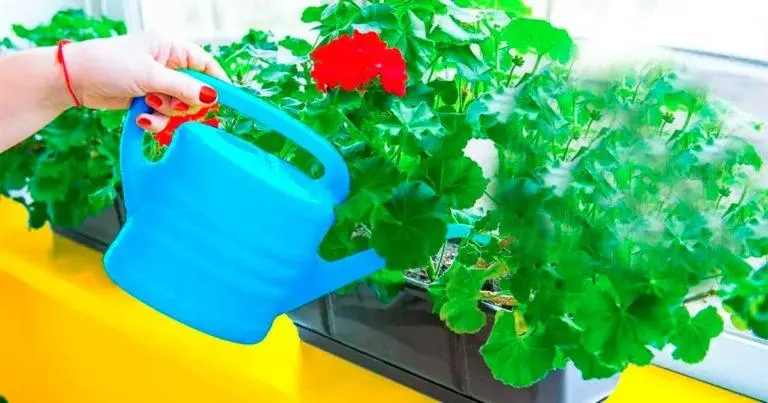
Note that geranium should not be watered with hard water, as this leads to the development of whitish spots on the surface of the soil. This is a clear sign of the presence of limescale. It is therefore better to purify the water using a filter.
Do you live in a region where frost and snow are omnipresent in winter? It is then strongly recommended to put the geraniums in large capacity pots and bring them inside the house, or at least protect them in a warm place. Install and cover them. Caution: beware of humidity which could seriously affect your geraniums. Too humid an environment can cause anthracnose disease, a fungus that causes brown and black spots. This pathology is difficult to treat, the flowers risk rotting and dying.