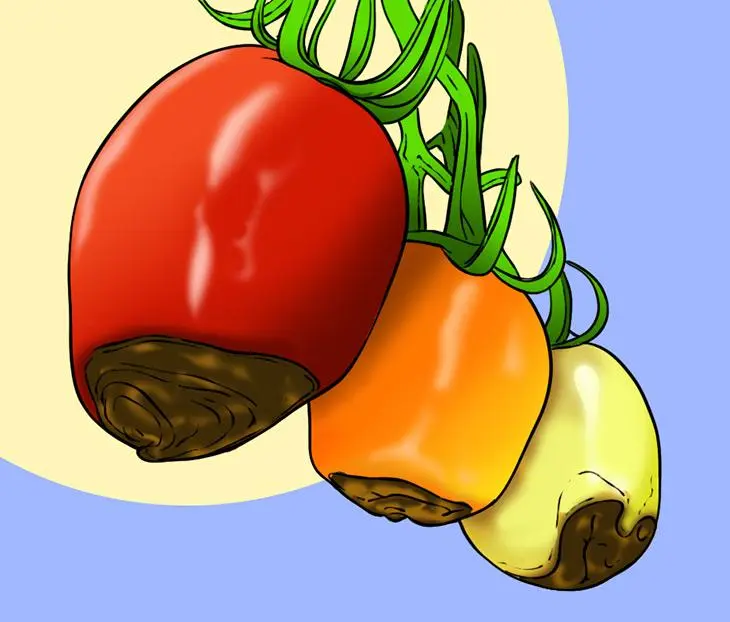
Growing tomatoes in your vegetable garden is a rewarding endeavor, but the delicate nature of this crop makes it susceptible to blossom end rot. The sight of black spots on the underside of some tomatoes can be disheartening, but fear not—your harvest can still be salvaged. By following these tips, you can prevent blossom end rot and ensure a bountiful yield of healthy, red tomatoes.
Understanding Blossom End Rot in Tomatoes
Blossom end rot, also known as blossom end necrosis, is not caused by insect infestations or diseases. Instead, it results from a calcium deficiency due to dry conditions, leading to water stress in tomato plants. Calcium is crucial for the entire growth process of tomatoes, and when water is scarce, calcium circulation is hindered, resulting in blossom end rot. Home remedies like antacid tablets or eggshells may offer some benefits, but addressing the lack of water is key. Analyzing the soil for nutrient deficits, especially calcium, is recommended.
Preventive Tips for Blossom End Rot

Keep Tomato Plants Well Watered: To promote healthy growth, water each tomato plant with an average of 1 liter per day. Use a soaker hose or watering can, especially crucial for container-grown tomatoes that tend to dry out quickly. Avoid wetting the foliage to prevent leaf diseases.
Add Mulch Around Tomato Plants: Apply a 2-inch layer of organic mulch around the base of your plants to help retain soil moisture and prevent rapid drying between waterings or rains. Mulch also suppresses weeds, and materials like straw, grass clippings, leaves, or shredded bark work effectively.
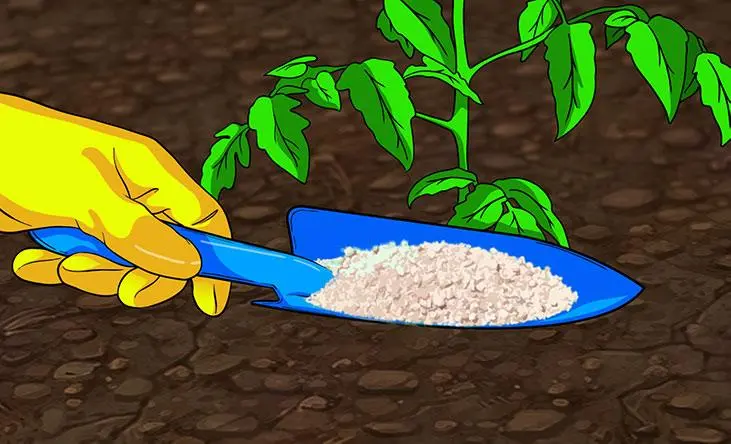
Avoid Overfertilizing: Excess fertilizer can lead to rapid growth, hindering calcium circulation and resulting in blossom end rot. Apply a layer of well-rotted compost (2 inches thick) before spring planting to slowly release nutrients and improve soil structure. Only use fertilizer if recommended by a soil test and follow label instructions.
Take Care of the Roots: Roots play a crucial role in calcium absorption. Avoid disturbing the root zone of tomato plants, and keep weeds away with a layer of mulch. Protecting the root zone ensures optimal calcium absorption, preventing blossom end rot.
FAQs on Tomato Issues
Why are my tomatoes rotting from the bottom? Dark spots on the bottom of tomatoes are typically caused by a lack of calcium in the soil or poor root development due to incorrect watering.
How to provide calcium to tomatoes? Address calcium deficiency by adding crushed eggshells, calcium oxide, or diluted milk to the soil. These methods provide calcium to the soil and promote healthy plant growth.
How to eliminate late blight from tomatoes? To prevent and control late blight, ozone systems are often used in agriculture. Ozone helps prevent the growth of pathogenic microorganisms, disinfects the substrate, and promotes healthier plant growth.
In conclusion, with these preventive measures, you can enjoy a thriving tomato harvest without the threat of blossom end rot.