Elephant Ear – Alocasia – How to Grow and Care for It
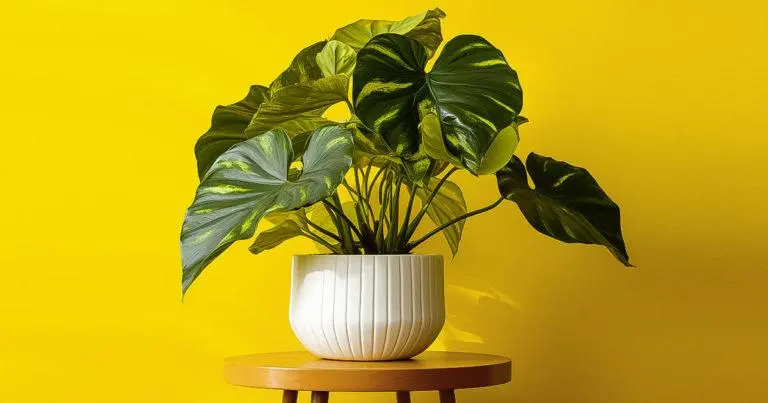
If you’re seeking a vibrant addition to your home or garden, look no further than Alocasia, commonly known as the “elephant ear.” This lush perennial plant, adorned with embossed leaves and fragrant flowers, is not only surprisingly beautiful but also easy to maintain. In this guide, we’ll explore how to properly plant, water, and protect this ornamental plant from insects and diseases, making it a perfect choice for both indoor and outdoor settings.
Characteristics of the Elephant Ear
The term “elephant ear” encompasses several plant species renowned for their large green leaves, drawing a parallel with the ears of elephants. Common varieties include Colocasia, Alocasia, and Xanthosoma, all belonging to the Araceae family. These tropical perennials, originating from Asia, Australia, Central America, South America, and Africa, boast lush foliage that thrives in both indoor and outdoor environments. Let’s delve into the specific details of this captivating plant.
- Common Names: Elephant ear, Giant taro, Coconut yam.
- Botanical Names: Colocasia, Alocasia, Xanthosoma, Remusatia spp.
- Family: Araceae.
- Plant Type: Tropical perennial.
- Adult Size: Varies by variety, averaging 3 to 6 feet tall with a similar spread. Smaller in cold climates.
- Sun Exposure: Completely sunny to partly overcast.
- Soil Type: Moist.
- Soil pH: Acidic (5.5 to 7.0).
- Flowering Time: Late spring to early fall (rare flowering).
- Flower Color: Yellowish white.
- Regions of Origin: Asia, Australia, Central America, South America, and Africa.
- Toxicity: Slightly toxic to humans and pets due to calcium oxalate crystals.
Taking Care of the Elephant Ear
With moderate maintenance requirements, the elephant ear is an undemanding plant. Provide it with nitrogen fertilizer, maintain proper watering in drier conditions, and remove any browning leaves. In warmer zones (8 and above), it can remain in the ground as a perennial, but in colder regions, overwintering indoors is recommended. Prune after the first frost, leaving 2 inches above the ground, to ensure a healthy and rejuvenated plant.
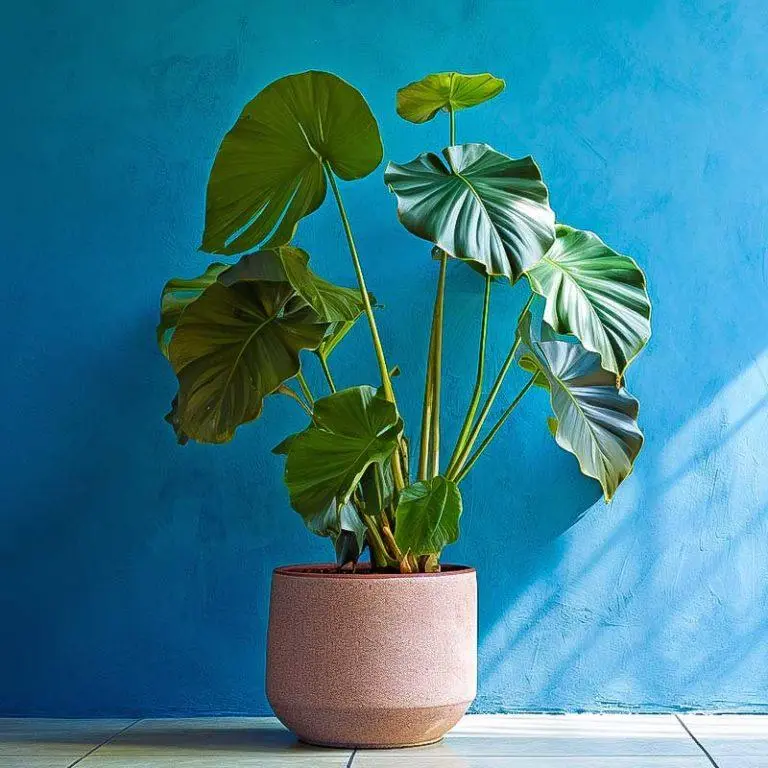
Growing Elephant Ear in a Pot
When cultivating elephant ear in a pot, consider the following conditions:
- Brightness: Prefers partial shade to sunny locations. Dark-leaved cultivars require more sun but need increased watering.
- Ground: Flourishes in rich, moist to wet soil. Ideal for marshy areas, swamps, or water gardens.
- Watering: Must remain constantly moist, surviving even in 6 inches of standing water. Water daily or as needed, especially in containers.
- Temperature and Humidity: Thrives in conditions mimicking its tropical habitat. Requires overwintering in colder regions.
- Fertilizer: Feeds on a water-soluble, nitrogen-rich fertilizer every two to three weeks.

Planting Elephant Ear
To plant an elephant ear, follow these steps:
- Choose a warm day with soil temperatures at least 22°C.
- Plant in fertile, loamy, slightly acidic soil in partial shade.
- Opt for a humid area in the garden, working in compost if needed.
- Plant tubers about 10 centimeters deep, spacing them adequately based on size.
- Fast-growing plants reach full size in two months.
Propagation and Growth from Seed
Propagation involves division of tubers, but if interested in growing from seed:
- Sprinkle seeds on well-drained seed starting mix.
- Keep moist, and seedlings will appear in three to eight weeks.
- Maintain a cool place with bright, indirect light.
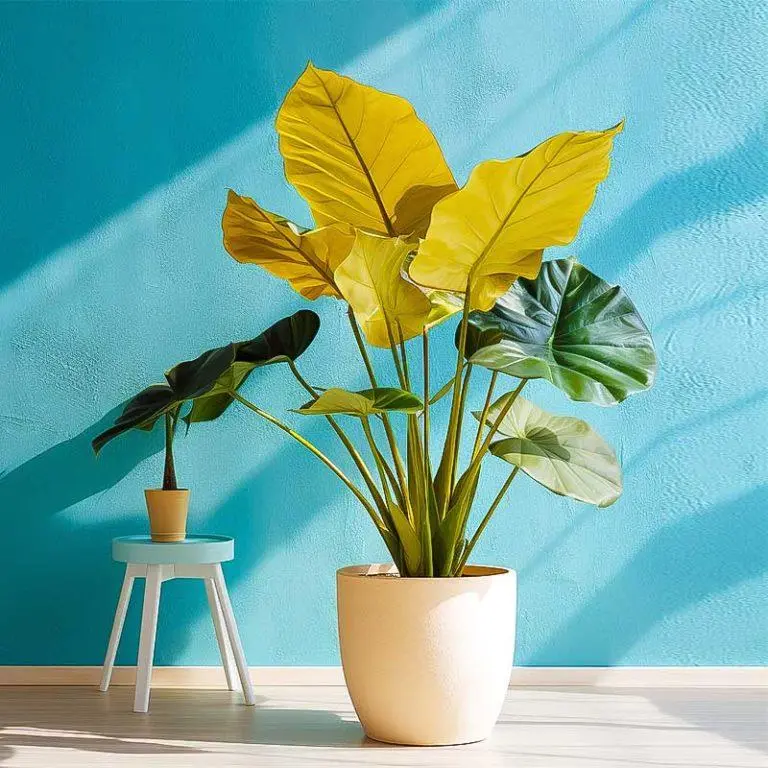
Varieties of Elephant Ears
Explore different varieties such as ‘Thailand Giant,’ ‘Illustris,’ ‘Black Magic,’ ‘Blue Hawaii,’ ‘Lime Zinger,’ ‘Elena,’ ‘Metalhead,’ ‘Mojito,’ and ‘Coffee Cups,’ each offering unique characteristics and visual appeal.
Repotting Elephant Ears
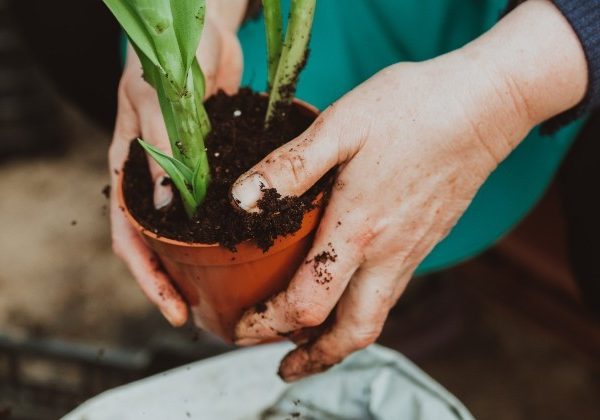
For those grown in pots, use potting soil with organic matter for moisture retention. Use vermiculite to help soil retain water, and consider large containers with proper drainage for optimal growth.
Wintering Elephant Ears
In colder climates, dig up tubers before the first frost, store in a cool place, and replant in spring after frost has passed. Watch for signs of rot and ensure tubers are well-ventilated during wintering.
Pests and Diseases
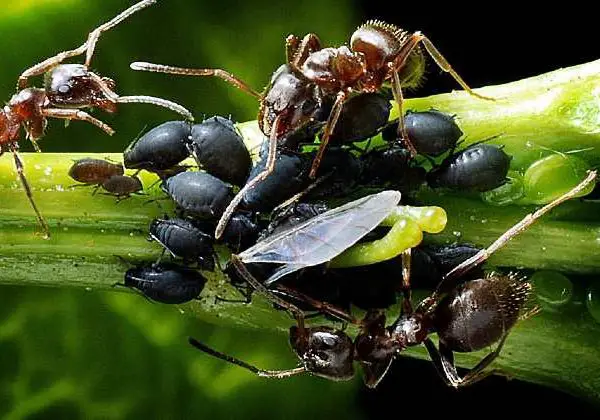
Common issues include fungal leaf blight, Pythium rot, and spider mites. Treat fungal infections promptly, discard infected plants with root rot, and address spider mites with water, insecticidal soap, or horticultural oil.
Encouraging Blooms in Elephant Ears
While elephant ears typically flower in their third growing season under favorable conditions, many gardeners remove flowers for enhanced leaf production. Allow flowers to develop into clusters for a fragrant and visually appealing addition, attracting pollinators.
Common Problems and Solutions
Address issues such as yellowing leaves, falling leaves, stunted or pale leaves, and wilting by adjusting sunlight, water, and nutrient levels. Elephant ears are resilient, but proper care ensures optimal growth.
Growing Elephant Ear Indoors
As a houseplant, place elephant ear near a bright, sunny window with indirect light. Keep soil consistently moist, mist frequently for added humidity, and monitor for spider mites, which are more problematic indoors.
FAQs
- Can elephant ear grow indoors?
- Yes, it can thrive indoors with bright, indirect light and consistent moisture.
- Where should I place the elephant ear in my house?
- Near a sunny window with south or west exposure, avoiding direct sunlight on the windowsill.
- What should you replace an elephant ear with?
- Consider the non-toxic banana tree as an alternative.
- How to take an elephant ear cutting?
- Prefer vegetative propagation using tubers, dividing them at the end of the growing season for optimal results.
- How do I know if my Alocasia is thirsty?
- Check the soil moisture and leaves regularly. Water when the top inches are dry and adjust misting frequency for humidity.
Growing and Enjoying Elephant Ear
With its captivating foliage and relatively straightforward care, the elephant ear is a versatile and attractive addition to any garden or indoor space. By following these guidelines, you can ensure a thriving and visually stunning display of this tropical perennial. Explore the diverse varieties, tackle potential issues proactively, and enjoy the beauty of the elephant ear in your botanical collection. Happy gardening!