Preventing Houseplants from Yellowing: 4 Effective Home Hacks
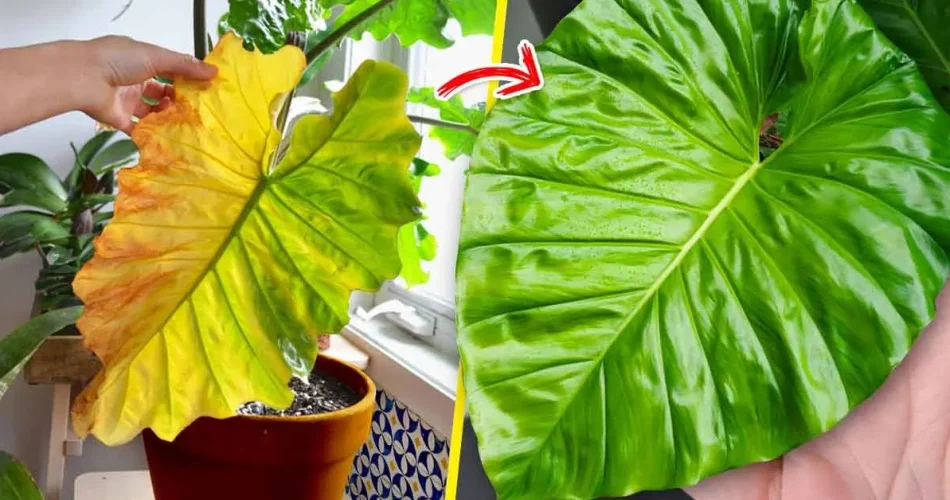
Chlorosis, the dreaded discoloration of leaves due to a lack of chlorophyll, is a common woe for many indoor plant owners. The yellowish hue it imparts is far from the vibrant green we desire. Whether you’re a seasoned plant parent or just starting out, here are four simple homemade remedies to keep your plants lush and green, avoiding the yellowing that can occur.
Understanding the Cause of Yellowing:
Indoor plants not only beautify our surroundings but also bring an exotic touch to our homes. While some plants are low-maintenance, others require special attention to thrive. Yellowing leaves are often a sign of watering irregularities. Insufficient watering leads to browning, wilting, and drying out, while overwatering causes root rot, preventing the plant from absorbing nutrients. Additionally, nitrogen deficiency can contribute to leaf yellowing, as nitrogen is essential for photosynthesis.
Preventive Measures:
- Allow Water to Sit for 48 Hours: In a large container, let your water sit for approximately 48 hours. This allows calcium crystals to settle, creating a chemical equilibrium with dissolved ions. Spritz this water onto your plants to maintain their luster without resorting to chemical treatments.
- Acidify Water with Vinegar or Lemon: Maintaining the correct pH level is crucial for plant health. For plants requiring acidic soil, add a teaspoon of vinegar or lemon juice per liter of water. Mix thoroughly and let it rest for a few hours before watering. This adjustment will help prevent yellowing and enhance leaf texture.
- Utilize Coffee Grounds as Fertilizer: Coffee grounds, known for their acidity and nutrient-rich composition, serve as an excellent soil amendment for indoor plants. However, excessive use may promote weed growth. Apply a light dose of coffee grounds to your potting soil to prevent yellowing or burning of leaves.
- Treat Iron Deficiency: Iron chlorosis, characterized by yellowing leaves due to iron deficiency, can afflict certain plants. Excessive calcium, phosphorus, or overly moist soil may hinder iron absorption. Organic remedies are available, but you can also improve iron assimilation by draining the soil and mulching with pine needles or citrus peels.
In Conclusion:
Maintaining the vitality and color of houseplants requires special care and attention. By adopting these natural home remedies, you can ensure your plants remain vibrant and healthy, free from the yellowing that can detract from their beauty.