A hedge is a line of shrubs, trees, and bushes that forms a fence, providing boundaries and protection for your garden. To maintain its aesthetic and neat appearance, proper pruning is essential. This promotes uniform and vigorous growth, resulting in a dense hedge that shields against strong winds. However, it’s crucial to avoid pruning before the end of July.
Protecting Wildlife
The hedge serves as a refuge for many animals and birds. The League for the Protection of Birds advises against trimming hedges from mid-March to the end of July to preserve biodiversity.
Why Is Pruning Not Recommended Before Late July?
It is strongly advised to refrain from trimming hedges from March 15 until the end of July. During this time, various bird species, such as the European greenfinch, blackbird, chaffinch, and robin, build their nests in hedges. Pruning during this critical nesting period can destroy their natural habitat and disturb newly hatched chicks.
The Right Time to Trim a Hedge
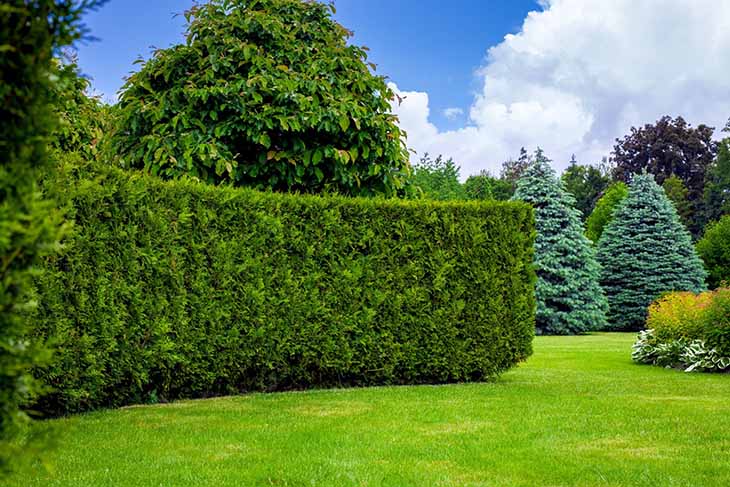
Shrubs in hedges actively grow in early spring and late summer or autumn. To maintain the size and shape of your shrubs, it’s best to prune at the end of these growth periods. Aim to trim hedges before March 15 and between September and October.
Avoid pruning during frosty periods, as this can hinder growth and damage their colors. If you choose to trim after July 31, ensure that temperatures are not excessively high; avoid pruning if temperatures exceed 25°C to prevent stress on the shrubs. In summer, the best times to prune are early morning or late evening when temperatures are milder. Additionally, refrain from trimming during prolonged droughts, as stressed shrubs may not handle pruning well.
How to Properly Trim a Hedge

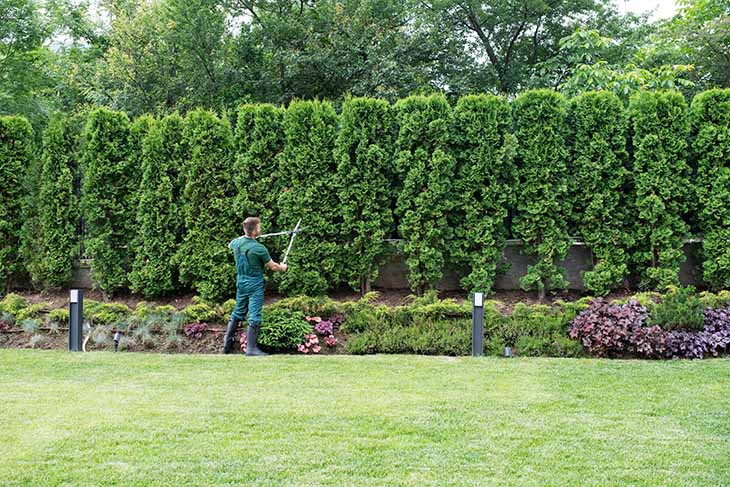
For effective pruning, trim the entire length of the hedge simultaneously to achieve a uniform shape. Always trim from the bottom up. For hedges over 5 meters, consider using an electric or petrol hedge trimmer. Employ upward movements while keeping the trimmer close to your body to avoid fatigue. Ensure the base of the hedge is wider than the top to allow adequate light exposure to all shrubs; otherwise, the bottom may become bare.
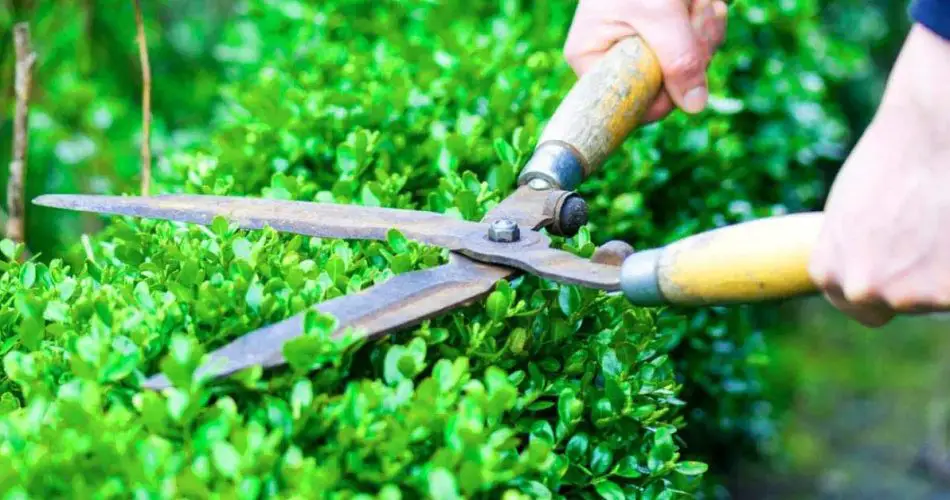
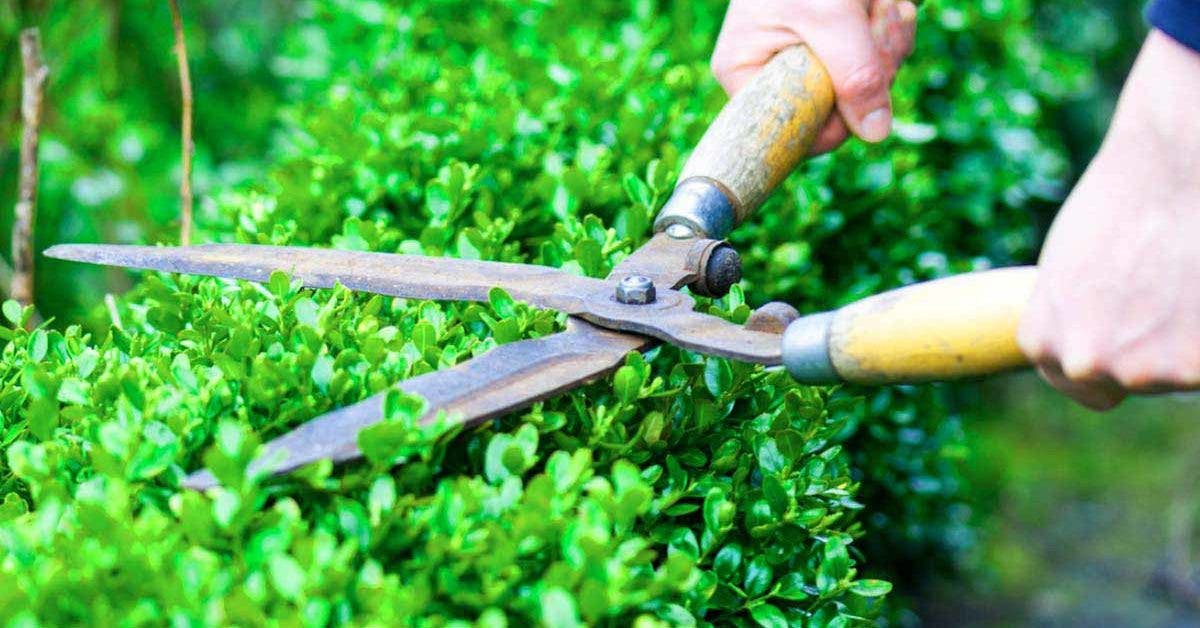
When trimming low hedges, use shears for more precise movements. It’s also vital to know which shrubs are suitable for hedges and withstand pruning well. Good options include flowering currant, strawberry tree, camellia, and privet. Depending on your preferences, choose evergreen shrubs for year-round greenery or flowering shrubs for seasonal blooms.
In conclusion, pruning is essential for promoting healthy growth in your hedge, but it must be done outside the nesting period of birds to protect their natural habitat.