Baking soda is a versatile and natural product that has numerous uses beyond the kitchen. It’s a well-known household staple for cleaning, deodorizing, and even maintaining skin health. But did you know that baking soda can also be incredibly beneficial for your plants? Here’s what happens when you use a simple mixture of water and baking soda to care for your garden.

What Happens When You Spray Plants with a Water and Baking Soda Mixture?
Baking soda is a natural fungicide, making it an excellent choice for preventing and treating fungal diseases in your plants. Powdery mildew, mildew, and other fungi thrive in humid conditions and can quickly harm your plants, causing them to wilt or dry out. Baking soda helps combat these issues by inhibiting the growth of fungi.

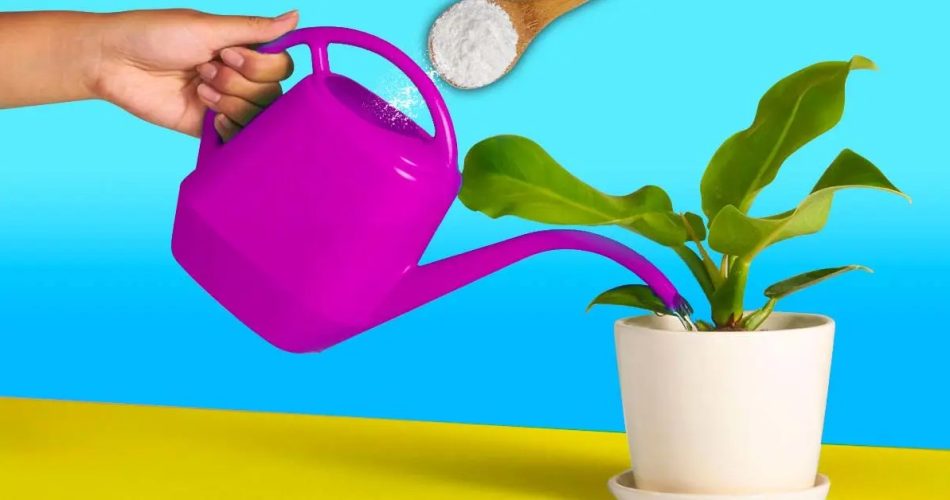
To create your natural fungicide, simply mix 4 teaspoons of baking soda with 4 liters of water. Pour the solution into a spray bottle and spray it generously on the foliage of your plants. This will help stop the spread of fungal infections and keep your plants healthy. It’s most effective when used to treat mildew or powdery mildew outbreaks.
Important note: While baking soda is beneficial, using too much can harm your plants. Avoid exceeding 1 teaspoon of baking soda per liter of water to prevent burning the leaves. A little goes a long way!
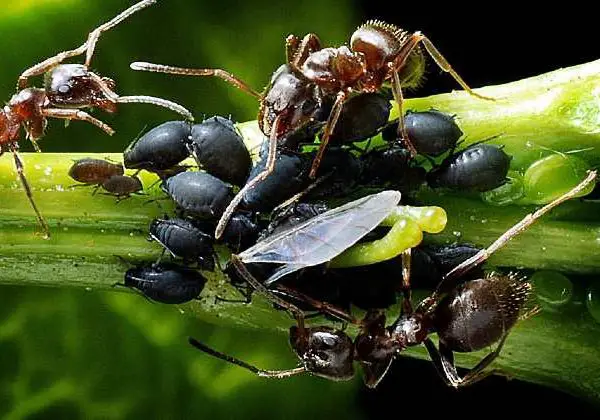
For a more effective treatment, you can also add oil to the mixture. This helps the baking soda adhere better to the plant leaves. Mix 3 teaspoons of horticultural oil or olive oil with 1 teaspoon of baking soda in 1 liter of water. This enhanced solution can help combat not only fungal diseases but also aphids and scale insects that might infest your plants.
Other Uses for Baking Soda in the Garden
Baking soda isn’t just for treating fungal diseases; it has several other useful applications in the garden.
1. Natural Weed Killer
Baking soda can help you weed garden paths naturally. Sprinkle it directly onto weeds to eliminate them. It’s an eco-friendly, biodegradable solution that will also help prevent new weeds from growing back in the treated area.
2. Natural Pest Repellent
Baking soda can act as a repellent for a variety of garden pests, including ants, cockroaches, slugs, and even rabbits. Simply sprinkle baking soda around the perimeter of your plants or on the soil. Just be careful not to apply it directly to the plants themselves.
3. Deodorizing Compost
If you have a compost pile that tends to develop unpleasant odors, baking soda can help neutralize the smells. Compost, made from organic waste, often emits bad smells, especially in the warmer months. Add a small amount of baking soda to your compost to keep odors in check while it continues to break down.
4. Stimulating Growth and Flowering in Rose Bushes
Baking soda is also beneficial for promoting the growth and flowering of rose bushes. To make a growth-boosting solution, mix 4 liters of water, 1 teaspoon of baking soda, and 5g of Epsom salt. The magnesium in Epsom salt helps stimulate plant growth and flowering. Spray this mixture on your rose bushes during spring as the leaves begin to open and again when the roses start to bloom.
Conclusion
With its antifungal properties, pest-repelling abilities, and growth-stimulating benefits, baking soda is a natural, chemical-free way to protect and care for your plants. Whether you’re combating fungal diseases, reducing odors in your compost, or encouraging your roses to bloom, baking soda is a versatile addition to your gardening toolkit. By using this simple, safe product, you can ensure your plants grow healthy and thrive without the need for harmful chemicals.