Healthy, lemon is a fruit with a thousand virtues. Full of vitamin C, it is the anti-fatigue citrus fruit par excellence which protects the body from all kinds of microbes and viruses. As a bonus, thanks to its anti-inflammatory, antibacterial and anti-infectious properties, it strengthens our immune defenses. Detoxifying and healthy, it facilitates digestion, helps us stay in shape and improves our mood. But that’s not all: lemon also has many benefits both in the field of beauty and for simplifying household chores. It is an outstanding cleaner and deodorizer that leaves the house clean and fragrant. With all that, we bet that you won’t mind using it without moderation on a daily basis. But what about having your own lemon tree at home?
Germinating lemon seeds is far from rocket science. We offer you a very simple method with just a little water!
Do you want to benefit from all the benefits of lemon without having to continually buy them? All you have to do is grow your own lemon tree at home and that’s it. Easier said than done ? Don’t worry, in this article we will show you how to germinate lemon seeds very easily. Follow our step-by-step technique and you’ll have lemons galore.
How to germinate lemon seeds in water?
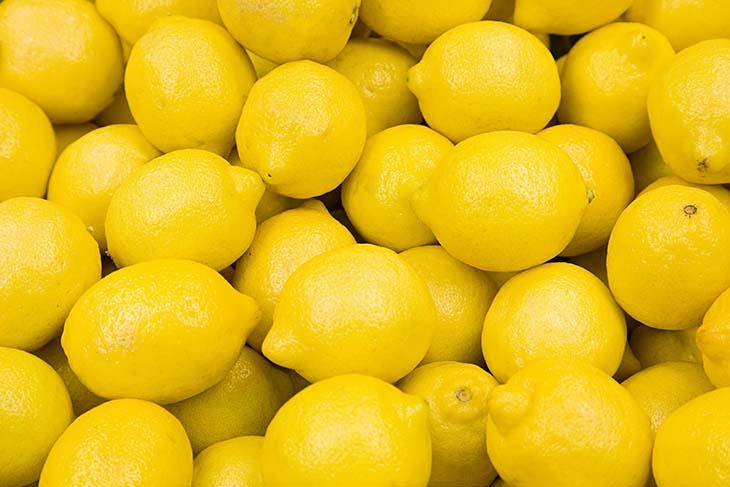
- To get started, you don’t need to be a seasoned farmer or an avid gardener. Just get a good quality lemon (organic if possible) before starting the process. Cut the lemon in half and remove one of the seeds. Remove any pulp residue, remove the white skin and rinse the seed well with lukewarm water. Dry it carefully.
- Next, take a glass and fill it with water. Make sure to use non-carbonated water. Now all you have to do is place the seed in the glass of water. Leave it in the glass for an hour. Take a piece of paper towel, lightly wet it and spread it out on a table or counter.
- Then, take the seed out of the glass of water and place it directly on the moistened paper. Carefully fold the paper towel, with the seed in it, several times until you have a small packet. Then place it in a food packaging bag (e.g. ziploc bag). Even though the bag can close tightly, avoid doing so so that some air gets in and facilitates germination. Store it in a dark but warm place, such as a cupboard. Take a look from time to time. If you notice that the paper is dry, moisten it a little more.
- After about three weeks, take the bag out of the cupboard and remove the piece of paper that contains the lemon seed. By unfolding it, you will notice that the seed will have germinated: the root should even measure around 3 cm long. Amazing, right?
From there, you must move on to planting to bring your pretty lemon tree to life.
NB : to avoid unpleasant surprises, instead of just one, it is better to select 4 or 5 seeds so that there is a greater chance of germination.
It’s time to plant the seed!
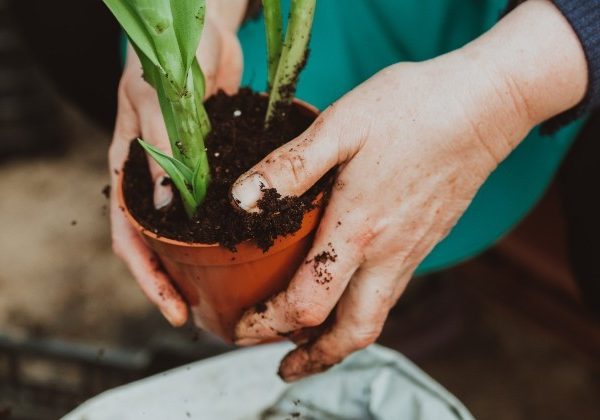
- Take a small pot (about 8 cm in diameter and 13 cm in height). Put in very light potting soil, plant the seed in the center 3cm deep, tail down. Take a bottle of water and water the seed, making the soil moist and welcoming. Now for a somewhat strange but still very useful step: cut off the top of the water bottle and use this tool to cover the seed. Place the pot next to a window and make sure the soil is moist at all times until a few leaves appear.
- Covering the seed with this bottle top creates a humid environment: this is what it will need to grow properly and become a lemon tree. In other words, it is essentially a homemade greenhouse that will also shelter your seed from any external influences that could be harmful to it, including the appearance of certain parasites and pests.
- You will soon have a lemon seedling with real leaves. And to think that it comes from a simple little glitch! But we are not there yet. For your lemon tree to flourish and develop properly, you must let it grow slowly. So, you will have to intervene when it reaches around 12 inches (30 cm).
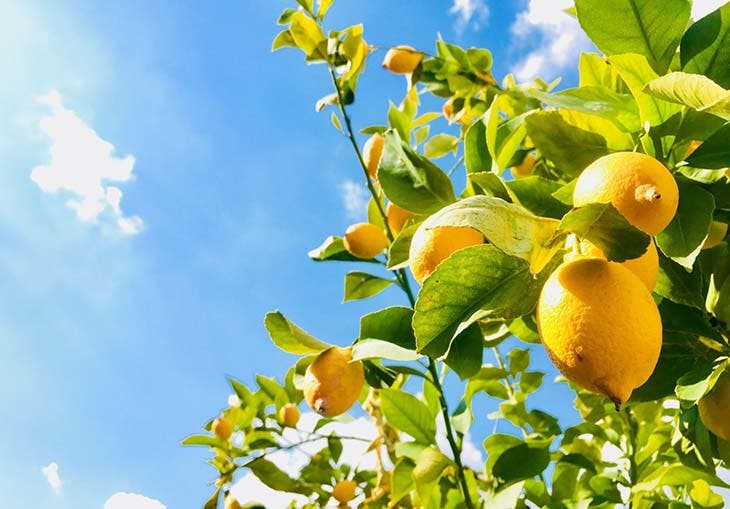
- At this point, your lemon tree seedling will need more space to continue growing in good conditions. You will then have to transplant it into a larger pot or even better directly into your garden . Outside the house, he will be able to flourish more. Remember that the lemon tree can reach up to 6 meters high. Take good care of it, especially avoiding nutrient deficiencies. The provision of fertilizer is essential as well as occasional watering, to help it better resist pests and diseases. Good maintenance will promote a good harvest!
Show Comments