It’s understandable to feel concerned when your plants aren’t flowering as expected, but fortunately, there are solutions to address common issues.
Here’s how you can troubleshoot and encourage your plants to bloom:
Light:
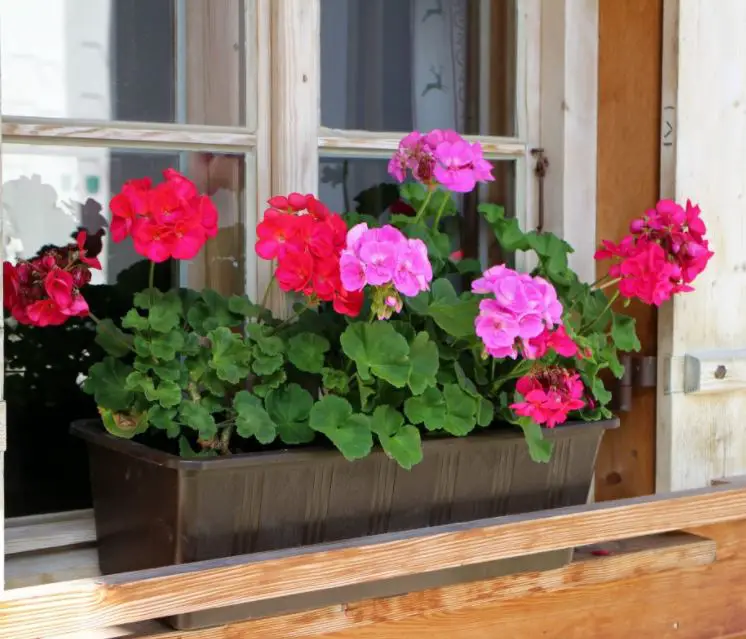
Ensure your plants receive adequate sunlight according to their specific requirements. Different plants have varying light needs, so research the optimal conditions for each species.
If your plants aren’t getting enough light, consider moving them to a sunnier location or providing supplemental artificial light, such as grow lights.
Irrigation:
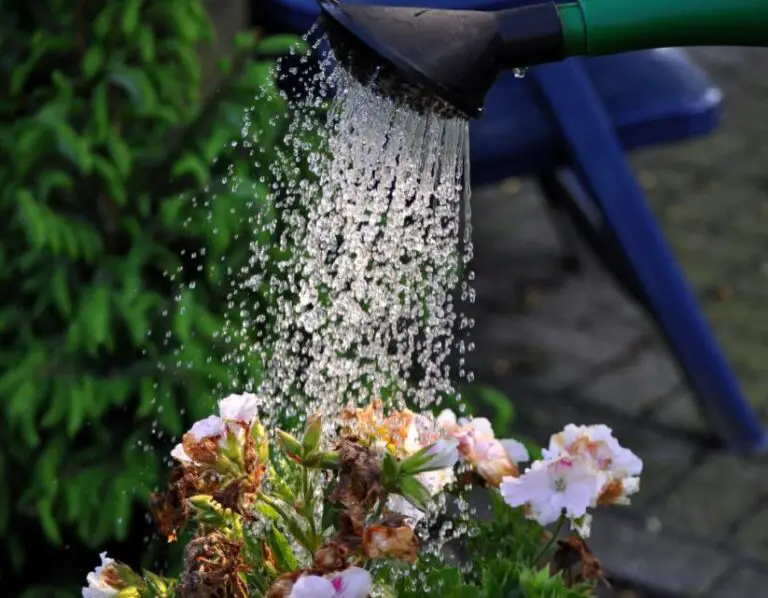
Avoid overwatering, which can lead to root rot and inhibit flowering. Ensure proper drainage by using pots with drainage holes and allowing the soil to dry out slightly between waterings.
Conversely, don’t let your plants become too dry either. Monitor soil moisture and water consistently, adjusting frequency based on environmental conditions and plant needs.
Nutrients:
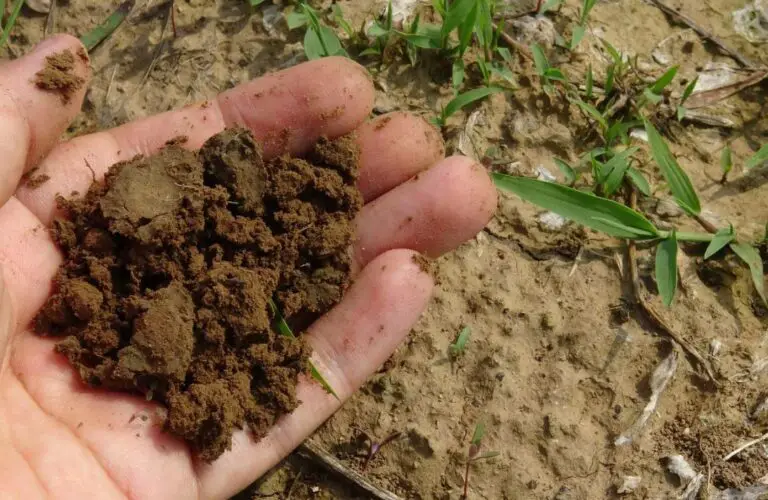
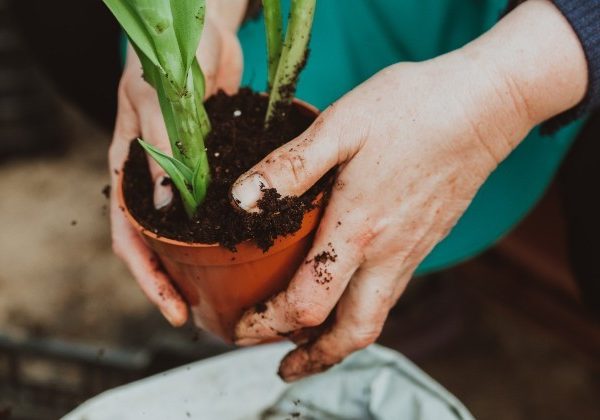
Provide your plants with the necessary nutrients for flowering, particularly potassium and phosphorus. Use a fertilizer formulated for blooming plants, and be mindful of the nitrogen content, which should be balanced with other nutrients.
Consider natural fertilizers like compost or homemade organic solutions to enrich the soil and promote healthy growth and flowering.
Pruning:

Be cautious with pruning, as excessive trimming can remove flower buds and delay or prevent flowering. Prune at the appropriate times, such as during the plant’s dormant period or after flowering has finished.
Avoid pruning during active growth phases or when buds are forming, as this can disrupt the plant’s natural development.
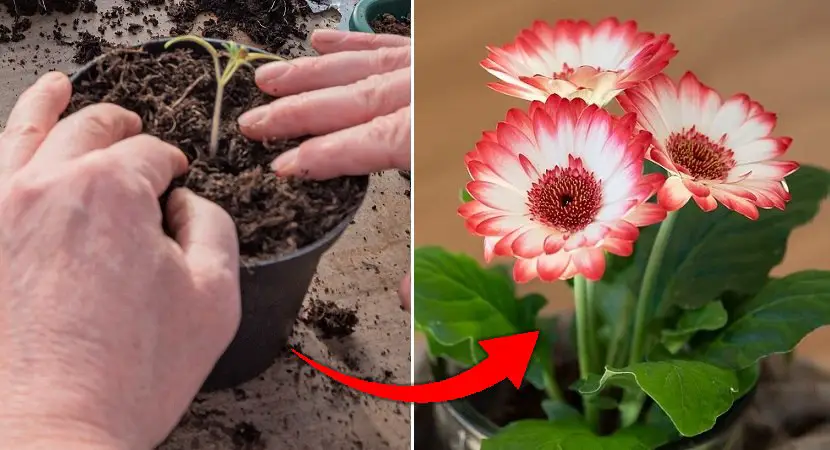
By addressing these factors and providing your plants with the care they need, you can encourage healthy growth and vibrant flowering. Remember to tailor your approach to the specific requirements of each plant species and observe how they respond to adjustments in their environment. With patience and attention to detail, you can enjoy a garden filled with beautiful blooms.