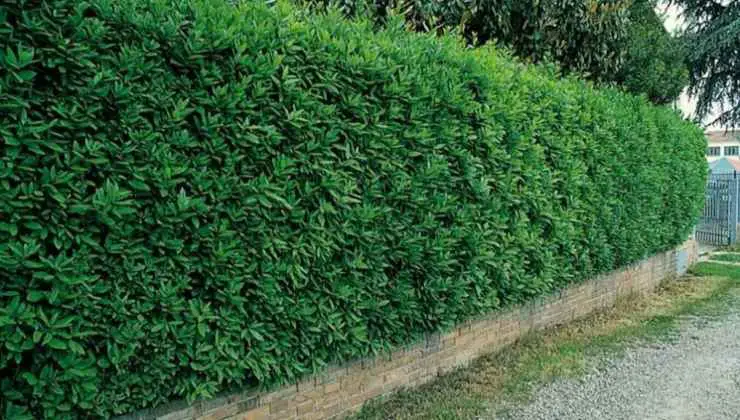
One common issue between neighbors is the question of who should be responsible for maintaining the boundary hedge that separates their properties. Whether you live in a single-family home or a terraced house, it’s important to understand your rights and responsibilities when it comes to keeping your garden or outdoor space well-maintained. Let’s explore the civil code’s guidelines on the topic and clarify who is responsible for pruning the hedge.
The Importance of Respecting Boundaries
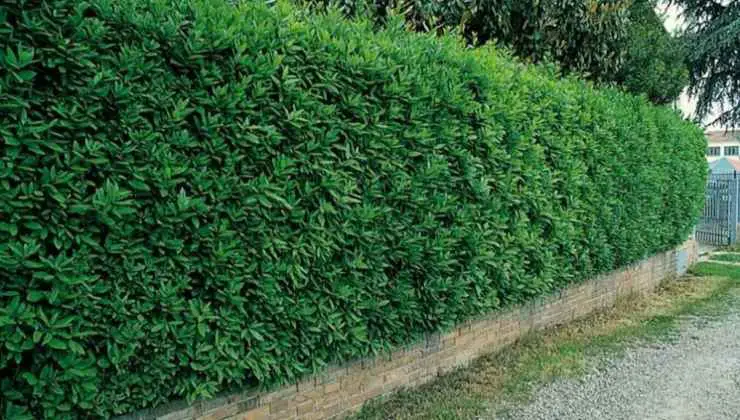
Living in close proximity to others, especially in shared spaces or adjacent homes, requires mutual respect. This extends beyond noise levels and proper disposal of garbage; it also includes how you care for the outdoor areas that define the border between properties. In particular, the boundary hedge between homes must be managed properly to avoid causing inconvenience or damage to a neighbor’s property.
Who Must Cut the Boundary Hedge?
The key question is: who should be responsible for pruning a boundary hedge that encroaches on a neighbor’s property? According to the civil code, the answer is clear.
Article 894 of the civil code addresses situations involving boundary hedges. In the event that a hedge from one property extends into another’s space—causing nuisance or reducing the available outdoor space—it is the responsibility of the hedge owner to have it pruned. The neighbor affected by the overgrowth has the right to request that the hedge be cut back, but they cannot take matters into their own hands. Doing so could result in legal issues.
The Civil Code’s Guidelines on Boundary Hedges
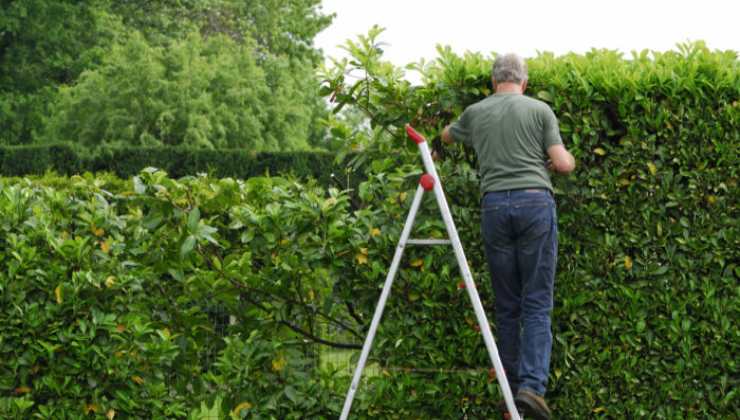
In practice, the neighbor whose space is encroached upon has the right to demand that the hedge be pruned, but only the owner of the hedge can carry out the pruning. This rule is set to prevent potential legal conflicts between neighbors. If the owner of the hedge refuses or neglects to prune it, the affected party can seek legal recourse.
If there is a dispute over the hedge, the first step should always be a conversation between neighbors. Often, such issues can be resolved amicably without the need for legal intervention. However, if tensions rise and the situation cannot be resolved through dialogue, the affected party has the option to send a formal warning letter to the hedge owner, asking for the hedge to be pruned.
What Happens If the Hedge Isn’t Pruned?
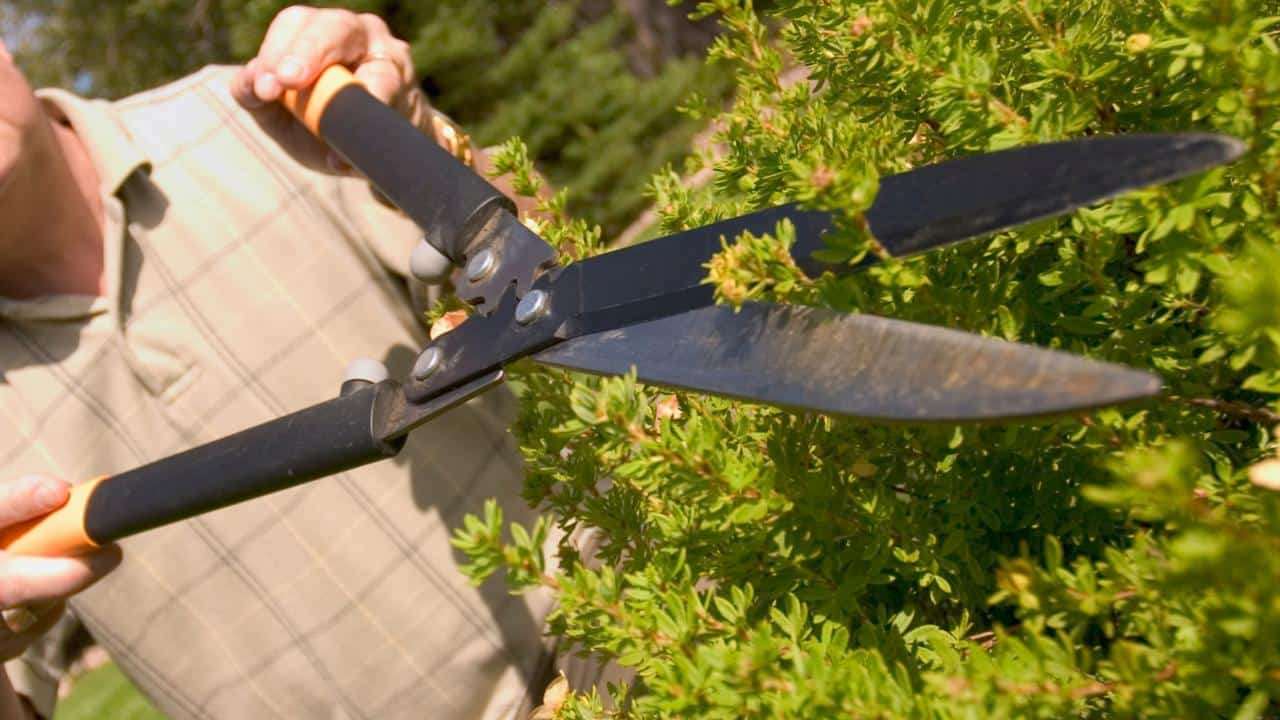
If the hedge owner refuses to take action, the neighbor can resort to legal channels. This might involve filing a formal complaint or even taking the issue to court. In more extreme cases, where the hedge poses a safety risk—such as being unstable or full of sharp thorns—the affected neighbor can request urgent intervention from judicial authorities to have the hedge trimmed.
Conclusion: Understanding Your Rights and Responsibilities
The key takeaway is that the owner of the boundary hedge is responsible for its maintenance and pruning. The neighbor whose space is being impacted cannot prune the hedge themselves without risking legal consequences. In most cases, a dialogue between neighbors can help resolve the issue amicably. However, if that fails, legal action is a legitimate course of action.
Maintaining good relationships with neighbors, as well as knowing the civil code’s rules, will ensure that disputes over things like boundary hedges can be avoided or resolved with minimal conflict.