Growing your own vegetables is a rewarding experience, but to ensure a bountiful and high-quality harvest, it’s essential to follow certain guidelines. One common mistake is planting incompatible vegetables next to each other. Tomatoes, while versatile companions for many plants, have specific enemies that can jeopardize your entire crop. So, which vegetables should you avoid? Why are they detrimental to tomato plants? Let’s explore.
Understanding Companion Planting
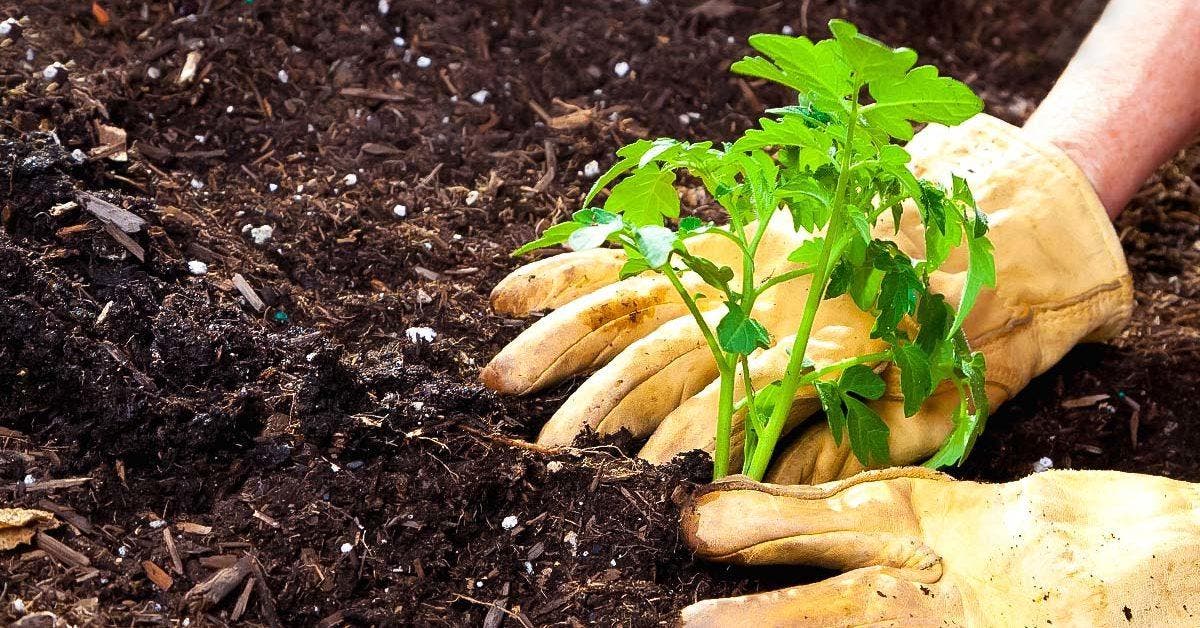
Companion planting is a gardening technique that involves strategically combining different plants in the same space to enhance their growth and protection. This practice aims to recreate natural ecosystems where each plant plays a specific role. Choosing the right companions is vital; some plants may compete for nutrients, while others can support each other by repelling pests or providing shade.
Vegetables to Avoid Near Tomatoes
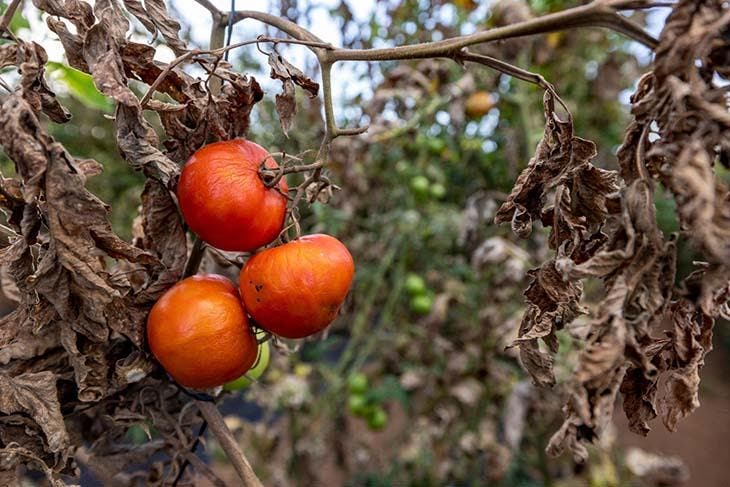
Tomatoes are known for being good companions for many vegetables, but some plants are particularly harmful. Here are the main culprits:
- Corn: The corn earworm is as harmful to tomatoes as it is to corn. This moth larva, known as Heliothis zea, can devastate corn crops and also tunnel into tomatoes, making them inedible.
- Fennel: Often recommended to be grown alone or in pots, fennel is believed to release chemicals that inhibit the growth of nearby plants. To be safe, keep it away from your tomatoes.
- Eggplant: While both tomatoes and eggplants belong to the nightshade family, they should not be grown together. They share the same vulnerability to tomato blight, which can easily spread between them.
- Potatoes: Like eggplants, potatoes are also nightshades and are susceptible to similar diseases. Planting them near tomatoes can increase disease transmission risks and damage tomato roots during potato harvesting.
- Walnut Tree: This tree produces a chemical called juglone, which can be toxic to many plants, including tomatoes, when exposed to oxygen.
Choosing the Right Companions
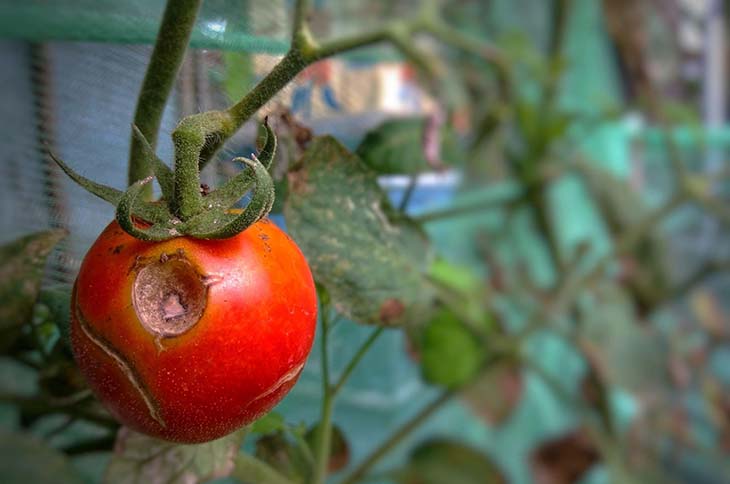
While it’s crucial to avoid these harmful neighbors, it’s also important to know which plants can thrive alongside tomatoes. Companion planting can significantly enhance the quality and flavor of your tomato harvest.
Final Thoughts
Understanding which vegetables to avoid when planting tomatoes can make all the difference between a thriving garden and a disappointing one. With this knowledge, you’re better equipped to ensure a successful harvest!