Ouch, this is a spectacle that will break your heart! You thought you were doing everything necessary to take care of your beautiful houseplant, but now, for some time now, you have felt that it is suffering and that it is no longer growing at all. This cessation of growth is very frustrating: you feel powerless in front of your plant and above all you fear that it will end up withering and dying. Don’t panic, there are always solutions to consider.
Despite all the good care you give it, a plant remains fragile. There are always plenty of parameters to take into account to protect it and extend its lifespan. In order to revitalize your indoor plants, you must above all adopt the right actions. Fortunately, there are a few methods that will save the situation. Here are some tips to follow to save your pots.
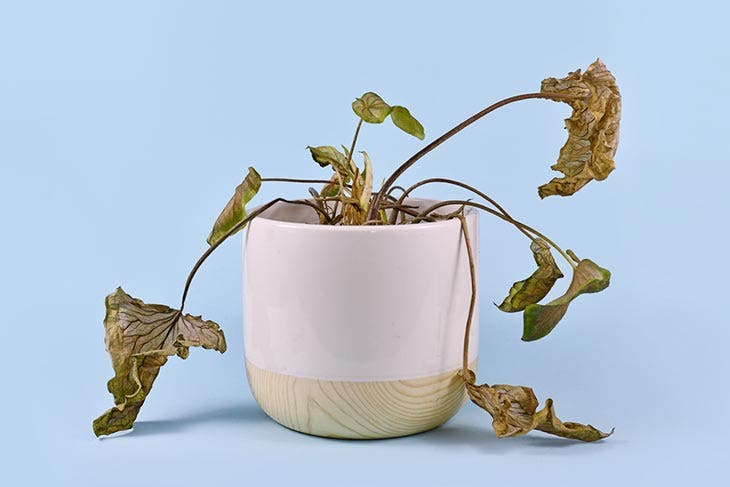
How to react to a plant that no longer grows?
Can’t stand to see your plant suffer? Rest assured, with a good dose of will and patience, you can change the situation.
First, make sure your plant gets enough light from the sun. For certain plants, such as geraniums, high light is necessary. On the other hand, other plants, such as ivy or sansevieria, should only be placed in indirect light and protected from UV rays. So check carefully if your plant does not show signs of wilting due to intense light. In this case, install a curtain so that the sun’s rays do not burn it. Better yet, move it to a place where it will be better protected, but not in the dark either. On the other hand, some plants can suffer from a lack of light. If the sun is scarce in your area, it is better to compensate with special lamps or fluorescent tubes.
On the other hand, dust can have a significant impact. Always be sure to wipe off any dust that has accumulated in the leaves of your plants. It risks, in fact, blocking light and air. Your flowers can be smothered and suffer greatly.
Another plausible reason for plant wilting: excess water. Unfortunately, many people still cannot get the right dosage. You may tend to water your plant much more frequently than necessary. However, it is important to respect your watering needs. While some plants need a lot of water, others require very little. If you have orchids, for example, you should know that you simply immerse the pot in a larger container filled with water.
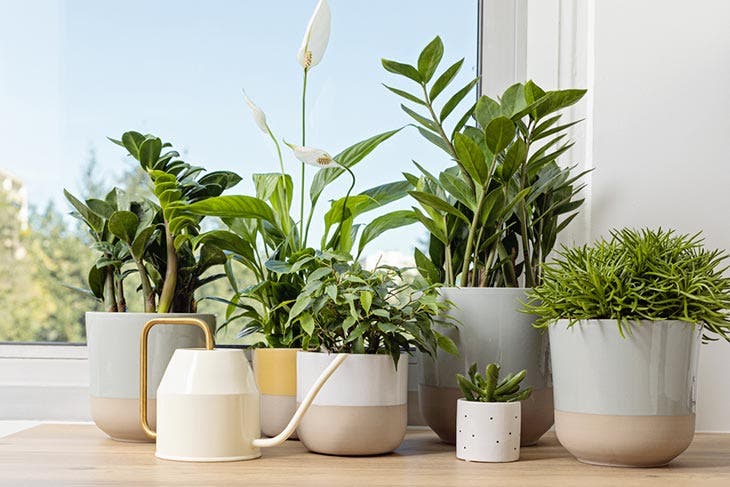
Some tips for revitalizing your houseplants
By avoiding certain recurring mistakes and using a few tips, you can bring your plants back to life and allow them to flourish for a long time.
- Do you have a cactus at home? Remember that it does not need regular watering or a lot of water. Place it in a tray of water for a few minutes, taking care not to wet its stems or trunk. If you use the watering can, only wet the soil. Drain well until there is no more water in the support plate.
- If you want to have healthy plants on the balcony or terrace, you must resort to revitalization measures, taking care to use the most appropriate fertilizers. Remember: houseplants do not need excessive fertilization, only light and regular feeding. Fertilizers are applied from spring to fall. Your plants should not feed during the vegetative rest period.
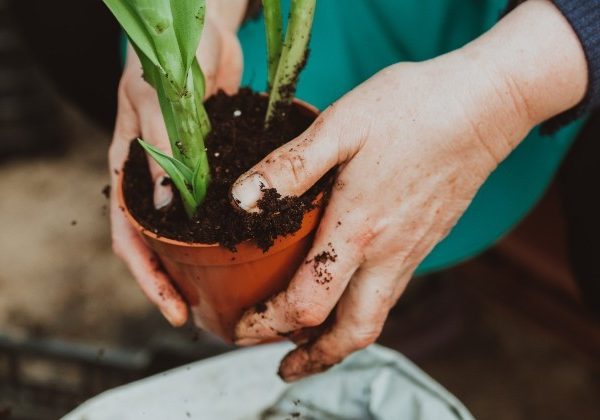
- Plants may also need to be revitalized when the pot becomes too small for the size of the roots. So, for the plant to recover, you need to move it to a more spacious pot. The graft must be done with the greatest care so that the root does not suffer.

- During winter, most houseplants stop growing and some even lose their leaves. You must ensure that they go into hibernation: but above all, do not throw away the container. Pots should be kept until spring. When the plants come out of vegetative rest, they must be installed in areas with a constant temperature and watered punctually.