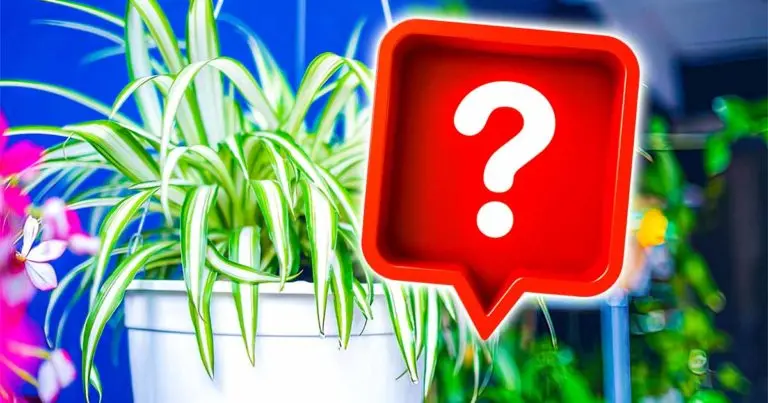
The chlorophytum or spider plant is a perennial plant, native to South Africa, with long stems similar to ribbons, which hang down on the sides. This herbaceous plant is resistant and undemanding. It can be grown indoors or in the ground. Moreover, this easy-to-maintain plant has several virtues for your interior space. Find out what happens when you grow chlorophytum in your home.
In addition to decorating the house and bringing a touch of greenery, houseplants have other benefits. This is also the case with chlorophytum which, when grown indoors, does the greatest good for the ambient air.
What happens when chlorophytum grows in the house?

Grown indoors, chlorophytum helps to depollute the ambient air in the house and purify it. Indeed, it has the capacity to absorb carbon monoxide that emanates from cigarettes, gas stoves or combustion heating appliances. It also helps purify the house of other toxic materials, such as benzene, released by paint or varnish, xylene which emanates from parquet and resins, formaldehyde, released by glue, wood and insulation, and finally, toluene which comes from varnish and furniture.
In addition to its depolluting properties, the spider plant is also effective in absorbing odors and maintaining a good level of oxygen in the room in which it is located. It thus promotes restful sleep. Moreover, it is even recommended to keep chlorophytum in the children’s room.
How to take care of chlorophytum?

Chlorophytum is a robust plant that requires little care. It is therefore perfect for people who do not have a green thumb.
Although this green plant is easy to maintain, certain actions should not be neglected in order to keep your plant in good health. The spider plant needs bright exposure, but does not appreciate exposure to direct sun. Furthermore, it is recommended to drench the foliage to prevent it from drying out. In winter, keep your chlorophytum at a temperature between 7 to 10°C. Besides, the spider plant is frost-prone. Concerning watering, it is advisable not to be heavy-handed when watering your plant. Especially since its tuberous roots have the capacity to store water. Note that chlorophytum tolerates forgetting to water better than having soggy soil. That said, it is advisable to water your plant sparingly in summer and to space out watering in winter, making sure to let the soil dry before moistening the soil. Don’t forget to remove any stagnant water from the saucer or plant pot.
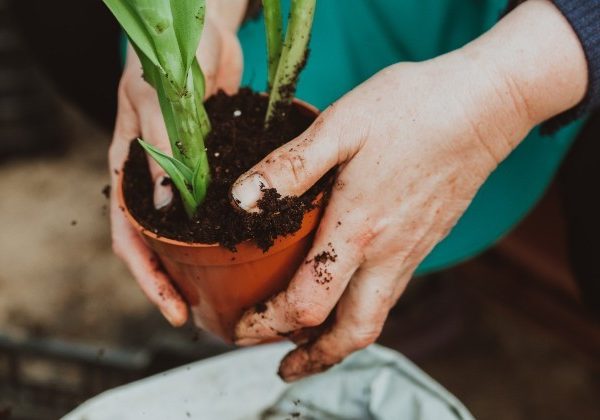
To maintain your plant, do not hesitate to remove dead leaves and damaged parts. Between early spring and early fall, you can fertilize your plant twice a month. Repot the spider plant at least once a year, or as soon as the roots begin to emerge through the drainage holes.

Since chlorophytum is a resistant plant, it is not the target of pest attacks. On the other hand, the foliage of the plant may turn brown if it suffers a physiological condition. In this case, it is recommended to repot the plant or fertilize it with a special green plant fertilizer to nourish it. It is also advisable to spray the foliage with non-calcareous water in order to rehydrate the plant and place it in the light if the leaves become dull.
That said, growing chlorophytum in your home allows you to purify the ambient air of toxic materials and promote restful sleep. In addition to this, this indoor green plant is easy to maintain and does not require tedious care.