Elevate Your Greens: The Convenience and Brilliance of Vertical Vegetable Gardens for Those Without a Garden
Introduction: For those without the luxury of a sprawling garden, the concept of vertical vegetable gardens is a game-changer. These innovative setups not only make the most of limited space but also offer a convenient way to cultivate fresh, homegrown vegetables. In this article, we’ll explore the brilliance of vertical vegetable gardens and share some clever ideas for those who don’t have a traditional garden space.
- Utilizing Vertical Space: Vertical vegetable gardens are all about maximizing the available vertical space, making them ideal for balconies, patios, or even indoor setups. By going vertical, you can cultivate a variety of vegetables without needing a vast horizontal garden.
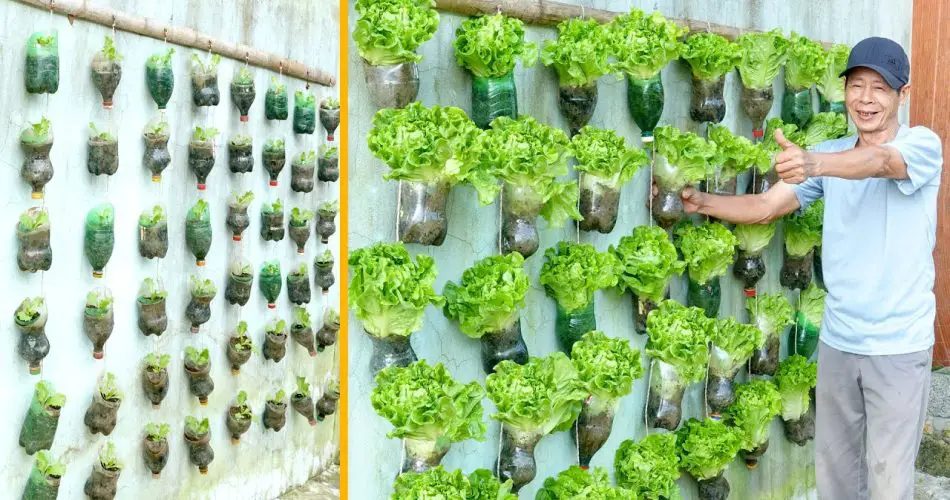
- Choosing the Right Vertical Planters: Select vertical planters or wall-mounted systems that suit your space and aesthetic. Options range from pocket planters, hanging containers, and even tiered structures that allow for a variety of vegetables to be grown in a compact footprint.
- Compact and Portable Options: Many vertical gardening solutions are designed to be compact and portable. This makes them perfect for renters or those who want the flexibility to move their garden to different areas based on sunlight and space requirements.
- Herbs, Greens, and More: While vertical gardens are versatile, certain vegetables thrive in these setups. Herbs like basil, mint, and cilantro, along with leafy greens such as lettuce and spinach, are excellent choices for vertical gardens. Compact varieties of tomatoes, peppers, and strawberries also flourish in these arrangements.
- Sunny Spots for Maximum Yield: Choose a location that receives sufficient sunlight for your vertical garden. Most vegetables require at least 6-8 hours of direct sunlight, so position your vertical planters in spots that meet these requirements.
- Smart Irrigation Systems: Consider incorporating smart irrigation systems into your vertical garden. Drip irrigation or self-watering planters can help ensure your vegetables receive the right amount of moisture without the risk of overwatering or underwatering.
- Creative DIY Solutions: Embrace your creative side with DIY vertical gardening solutions. Repurpose old pallets, wooden crates, or even shoe organizers to create unique and cost-effective vertical planters. This adds a personal touch to your garden.
- Vertical Trellises for Climbers: Take advantage of vertical trellises for climbing vegetables like cucumbers, peas, and beans. These structures not only provide support for the plants but also add a decorative element to your vertical garden.
- Regular Harvesting for Continuous Growth: The beauty of vertical gardens is their continuous growth and harvest cycle. Regularly harvest mature leaves and vegetables to encourage new growth. This ensures a steady supply of fresh produce for your culinary endeavors.
- Enjoying the Fruits (and Veggies) of Your Vertical Garden: As your vertical garden thrives, revel in the convenience of having a mini oasis of fresh vegetables just steps away. Harvest and enjoy the fruits (and veggies) of your vertical gardening efforts in salads, soups, and various culinary creations.
Conclusion: Vertical vegetable gardens are a convenient and ingenious solution for those without a traditional garden. By going vertical, you can cultivate a bounty of fresh produce in limited spaces, adding both beauty and functionality to your home. Whether you choose ready-made vertical planters or embark on creative DIY projects, the convenience and joy of a vertical vegetable garden are sure to elevate your greens. Happy gardening!