As the trend of home vegetable gardening captures your interest, envisioning a flourishing tomato yield becomes an exciting prospect. Tomatoes, undoubtedly the stars of the vegetable garden, thrive when given the right conditions. However, a critical factor influencing their success is often overlooked—the spacing between tomato plants. In this article, we unveil the secrets to cultivating robust and juicy tomatoes. Let’s dive in!
Determining the Right Distance Between Tomato Plants
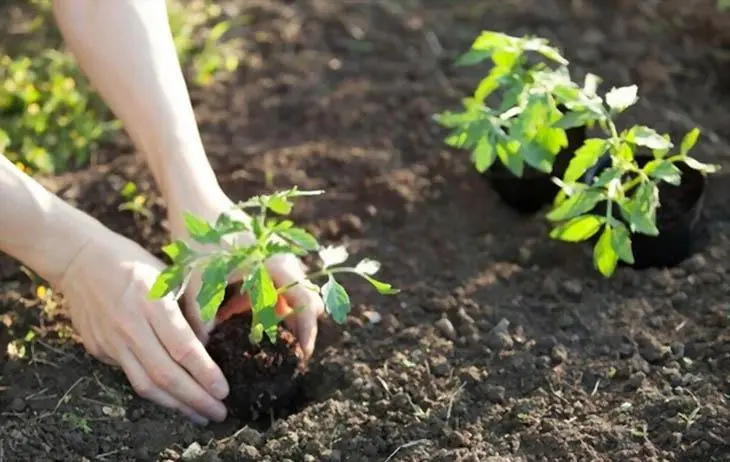
The ideal distance between tomato plants varies based on the type of tomato and the support system employed. Differentiate between determinate and indeterminate tomato plants:
- Determinate Tomato Plants: Compact and reaching a height of 12 to 18 inches, these plants tolerate closer planting, around one to two feet apart. Best suited for tomato cages, they demand less maintenance and ensure a bountiful harvest.
- Indeterminate Tomato Plants: Requiring more attention, indeterminate varieties grow taller, spanning 45 to 60 cm apart. Regular pruning and consistent spacing promote air circulation, a vital aspect of their care. If grown in raised beds, maintain a four-foot gap between rows to facilitate proper airflow.
Planting and Caring for Tomatoes
Embarking on your tomato-growing journey in spring, especially during May, sets the stage for a fruitful harvest.
Here’s a step-by-step guide:
- Prepare the Seedbed:
- Utilize any container as a seedbed, filling it with a nutrient-rich substrate.
- Ensure good drainage by creating holes at the container’s bottom.
- Create a seedling mix using peat, coconut fiber, worm humus, vermiculite, and perlite.
- Water the mixture after sowing tomato seeds, maintaining moisture until germination (usually 10-15 days).
- Tomato Planting:
- For outdoor gardens or raised beds, align indeterminate tomato plants 45 to 60 cm apart.
- Indoors or in containers, opt for determinate varieties, spacing them one to two feet apart.
- Caring for Tomato Plants:
- Maintain consistent soil moisture to prevent issues like splitting or blossom end rot.
- Container-grown plants require regular watering, especially in hot weather.
- Apply liquid fertilizer enriched with potassium every 10 to 14 days as fruits begin to swell.
- Mulch the soil to retain moisture and deter weeds.
- Open vents in greenhouses to allow pollinating insects access to flowers.
- Lightly tap or shake open flowers to aid pollen transfer.
Harvesting and Companion Planting with Tomatoes
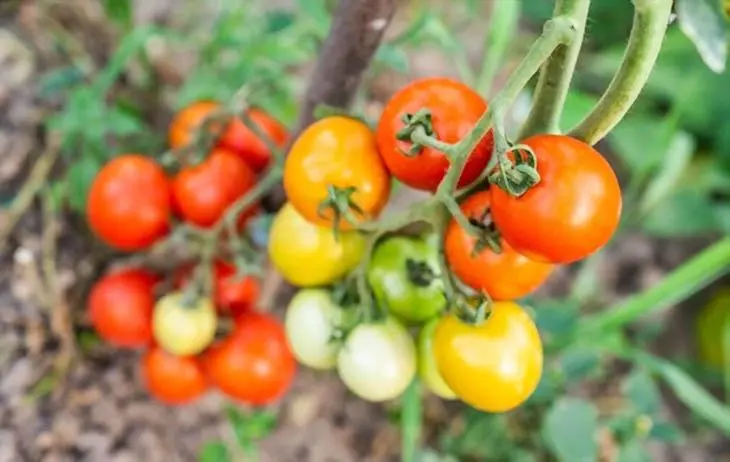
Patience is key as the tomato-growing process unfolds, from flowering to fruiting. Ripening times vary among varieties, influenced by local climate conditions and cultivation settings. Proper care, temperature, and exposure contribute to a successful harvest.
For companion planting, choose vegetables that complement tomatoes, such as lettuce, onions, beans, peas, and eggplants. Avoid pairing tomatoes with peppers or eggplants, ensuring harmonious growth. Utilize the strategic combination of plants to deter pests—basil for flies, mint for caterpillar-repelling butterflies, and marigolds for aphid control.
Armed with these insights, your tomato garden is poised for a thriving and flavorful harvest. Happy gardening!