“Homegrown Delights: Tips for Growing Grapes That Are Fruitful and Easy for Everyone”
Introduction: Imagine strolling through your own vineyard, plucking fresh grapes straight from the vine to enjoy the sweet and succulent flavors. Growing grapes at home is not just a dream; it’s an achievable reality with the right tips and techniques. In this article, we’ll explore easy and fruitful tips for cultivating grapes in your home garden, turning your space into a haven for these delectable fruits.
- Selecting the Right Variety: Start your grape-growing journey by choosing the right grape variety for your climate and growing conditions. Whether it’s red, white, or a seeded or seedless variety, ensure it suits your region and space.
- Choosing the Ideal Location: Grapes thrive in sunny locations, so choose a spot in your garden that receives at least 6-8 hours of sunlight daily. Good air circulation is also crucial to prevent diseases, so avoid planting grapes in areas with constant high humidity.
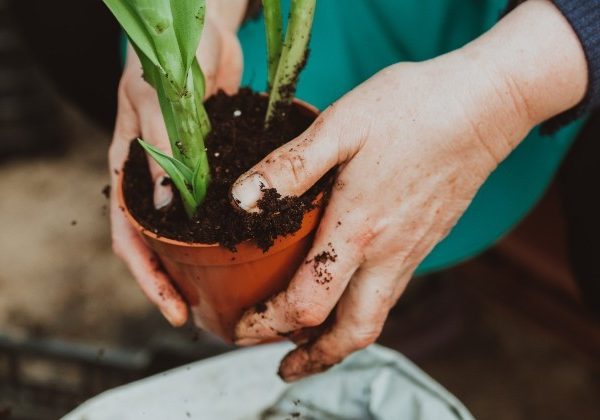
- Providing Well-Draining Soil: Grapes prefer well-draining soil to prevent waterlogged roots. Ensure the soil is rich in organic matter, and consider adding compost to enhance fertility. A slightly acidic to neutral pH is ideal for grapevines.
- Pruning for Productivity: Pruning is a key aspect of grapevine care. Regular pruning helps in shaping the vine, improving air circulation, and concentrating energy on fruit production. Trim away excess shoots and leaves to ensure sunlight reaches all parts of the vine.
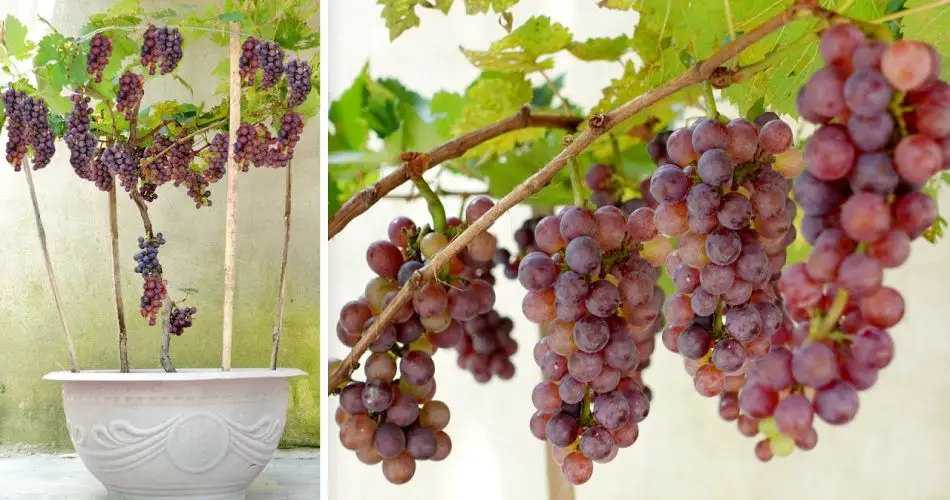
- Implementing a Support System: Grapes need proper support as they grow. Install a trellis or support system to train the vines upward. This not only aids in sun exposure but also prevents grapes from resting on the soil, reducing the risk of diseases.
- Effective Watering Practices: Grapes appreciate consistent moisture, especially during the growing season. Water deeply and regularly, especially in the absence of rainfall. However, avoid overwatering, as grapevines are susceptible to root rot in waterlogged conditions.
- Mulching for Moisture Retention: Mulch around the base of the grapevines to retain soil moisture, suppress weeds, and regulate soil temperature. Organic mulch, such as straw or wood chips, is ideal for grapevines.
- Fertilizing Wisely: Provide your grapevines with a balanced fertilizer during the growing season. However, avoid excessive nitrogen, as it can lead to vigorous vegetative growth at the expense of fruit production.
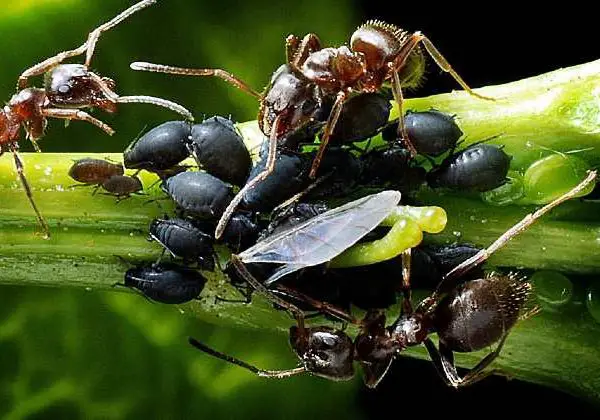
- Monitoring and Managing Pests: Keep a close eye on your grapevines for signs of pests such as aphids or grapevine beetles. Implement organic pest control methods or use insecticidal soap to keep these unwanted visitors at bay.
- Harvesting at the Right Time: Harvest your grapes when they reach their optimal ripeness. Grapes will change color and develop a sweet taste when ready. Gently cut the clusters, being mindful not to damage the vines.
Conclusion: Growing grapes at home can be a rewarding experience with the right care and attention. By following these tips, you’ll be well on your way to cultivating a fruitful grapevine that not only enhances your garden’s beauty but also provides you with a bounty of delicious, homegrown grapes to enjoy throughout the seasons. Cheers to your flourishing grape garden!