If you’re looking to purify the air in your home while adding a touch of beauty, certain houseplants can help. Some plants not only serve as attractive decor but also absorb harmful carbon dioxide (CO2) and pollutants, improving the overall air quality. Let’s take a look at the best plant to help eliminate CO2 and purify your indoor environment.
Plants That Clean the Air

Houseplants are more than just aesthetic additions to your home. Many of them are known for their air-purifying properties, helping to eliminate indoor pollution, such as smog, mold, and smoke. In fact, specific plants are known to absorb more CO2 than others, improving air quality in a simple yet effective way.
Adding these plants to your home not only enhances the decor but also provides cleaner, fresher air, making your living space healthier and more pleasant.
The Best Plant for Absorbing CO2: Sansevieria Trifasciata
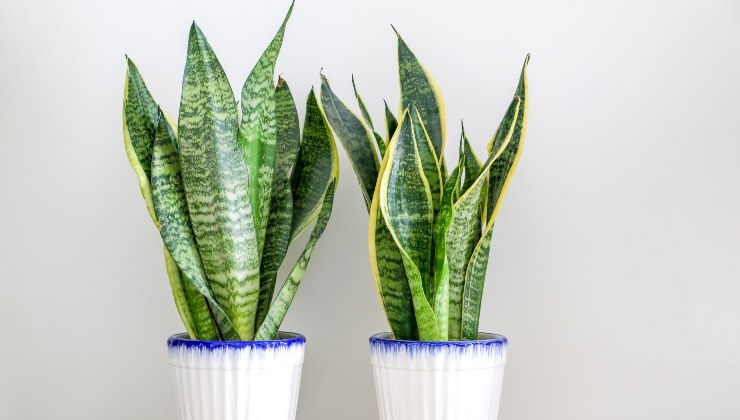
The Sansevieria trifasciata, also known as the snake plant, is the most efficient houseplant for absorbing CO2 and purifying the air. This plant is decorative, with striped and fleshy leaves, and it’s particularly adept at removing pollutants.
Sansevieria trifasciata is excellent at absorbing formaldehyde, a common indoor pollutant found in paints, lacquers, and household cleaners. As it purifies the air, the plant releases oxygen, making it an excellent choice for improving indoor air quality.
How to Care for Sansevieria Trifasciata
One of the best features of the Sansevieria trifasciata is that it’s a low-maintenance plant. Here’s how you can care for it:
- Temperature: Keep the plant in temperatures no lower than 12°C—avoid placing it outside in cold weather.
- Light: It thrives in shady spots with indirect light.
- Watering: Water about once every 15 days, ensuring you water the soil directly (not the leaves). Avoid cold water for best results.
Despite its minimal care requirements, the Sansevieria trifasciata should be kept indoors during the winter to avoid cold damage.
Other Air-Purifying Plants
While the Sansevieria trifasciata is a top contender, there are other plants that can help purify the air in your home:
- Photos (Pothos): Known for its ability to absorb humidity, perfect for bathrooms.
- Ficus benjamina: Often referred to as the “smog absorber,” ideal for capturing air pollution.
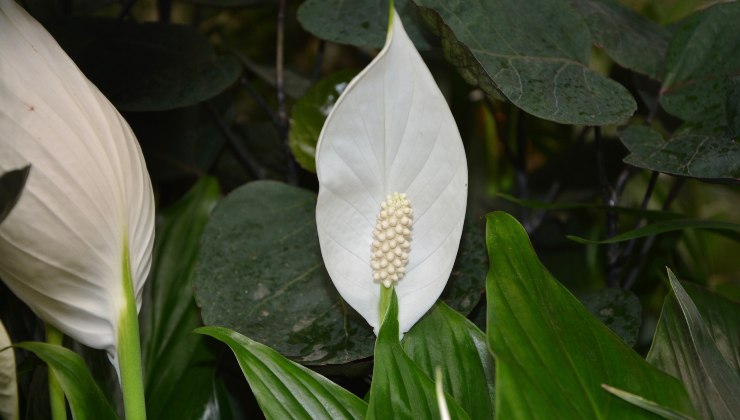
- Spathiphyllum (Peace Lily): A common houseplant that absorbs CO2 and neutralizes the air, it’s highly effective at purifying your indoor space.
- Dracaena: Another plant known for its air-purifying properties.
- Aloe Vera: Not just for skin care, this plant also absorbs CO2 and purifies the air.
- Orchids: These beautiful flowers absorb xylene and benzene, contributing to cleaner indoor air.
Conclusion
Incorporating plants like Sansevieria trifasciata into your home can significantly improve air quality by absorbing harmful CO2 and other pollutants. Whether you’re a seasoned plant owner or a beginner, these air-purifying plants are a great way to create a cleaner, healthier environment. So, place one of these plants in your home today and enjoy fresh air and natural beauty!