Seedlings are particularly vulnerable to diseases that can stunt their growth or kill them before they have a chance to mature. Protecting your seedlings from diseases is crucial for a healthy garden. Here are the best strategies to keep your seedlings disease-free and thriving.
1. Start with Healthy Seeds and Soil
- Quality Seeds: Purchase seeds from reputable sources to ensure they are disease-free. Consider using certified disease-resistant varieties.
- Sterile Soil: Use a high-quality, sterile seed-starting mix rather than garden soil. Sterile soil reduces the risk of introducing soil-borne diseases to your seedlings.
2. Proper Planting Techniques
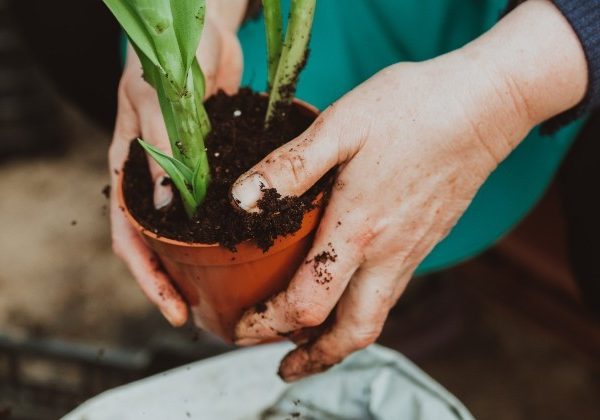
- Clean Containers: Ensure that all planting containers, trays, and tools are clean and sterilized before use. You can sterilize them by soaking in a solution of one part bleach to nine parts water.
- Correct Depth: Plant seeds at the recommended depth. Planting too deep can cause poor germination and increase the risk of disease.
- Spacing: Avoid overcrowding by giving each seedling enough space to grow. Good air circulation reduces the risk of fungal diseases.
3. Optimal Watering Practices
- Watering Schedule: Water seedlings regularly but do not overwater. Keep the soil consistently moist but not soggy. Overwatering can lead to root rot and other waterborne diseases.
- Watering Method: Water from the base if possible, using a tray beneath the pots. This helps to avoid wetting the foliage, which can promote fungal growth.
4. Ensure Proper Lighting and Temperature
- Adequate Light: Provide ample light to prevent seedlings from becoming weak and leggy. Use grow lights if natural sunlight is insufficient.
- Temperature Control: Maintain an optimal temperature for your seedlings, usually between 65-75°F (18-24°C). Avoid drastic temperature fluctuations that can stress the plants.
5. Use Natural Disease Preventatives
- Fungicides: Consider using organic fungicides like neem oil, copper sprays, or sulfur-based products to prevent fungal infections.
- Beneficial Microbes: Introduce beneficial microbes and mycorrhizal fungi into the soil. These microorganisms can help protect seedlings from harmful pathogens.
6. Monitor for Signs of Disease
- Regular Inspection: Check your seedlings daily for any signs of disease, such as discolored leaves, wilting, or mold growth.
- Immediate Action: If you detect any signs of disease, isolate the affected seedlings immediately to prevent the spread of disease to healthy plants.
7. Maintain Good Hygiene
- Clean Hands: Always wash your hands before handling seedlings to avoid transferring pathogens.
- Tool Hygiene: Regularly clean and sterilize any tools used in the garden, especially if they have come into contact with infected plants.
8. Gradual Hardening Off
- Hardening Process: Gradually acclimate seedlings to outdoor conditions by exposing them to the outside environment for a few hours each day, increasing the time over a week. This process strengthens their resilience and reduces transplant shock.
Conclusion
Protecting your seedlings from diseases involves a combination of using healthy seeds and soil, practicing proper planting techniques, and maintaining optimal growing conditions. By following these steps, you can significantly reduce the risk of disease and ensure your seedlings grow into robust, healthy plants. Consistent monitoring and good hygiene practices are key to maintaining a disease-free environment for your seedlings.
Show Comments