Is moisture taking over your home, and you don’t know how to tackle it? If you’ve tried every remedy without success, don’t worry! There’s a natural solution: the spider plant. Not only does it beautify your interior, but it also helps absorb excess moisture. Here’s how it works.
How Does the Spider Plant Absorb Moisture?
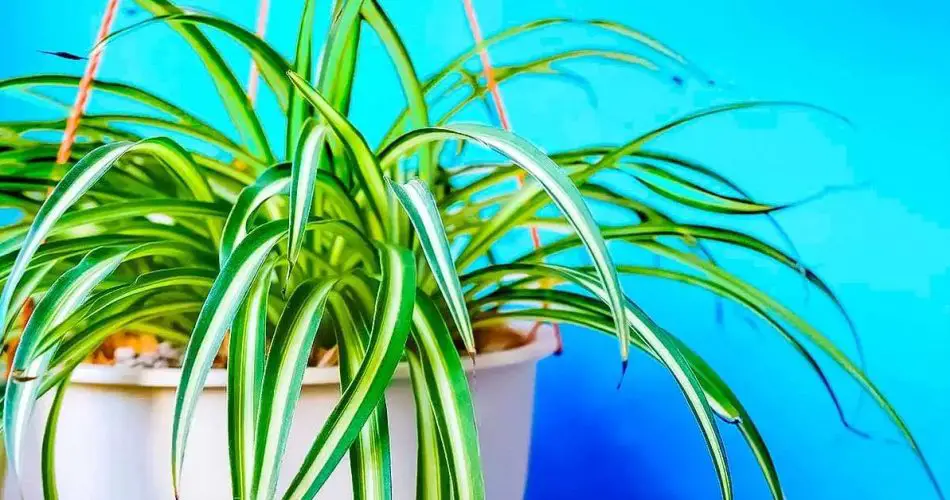
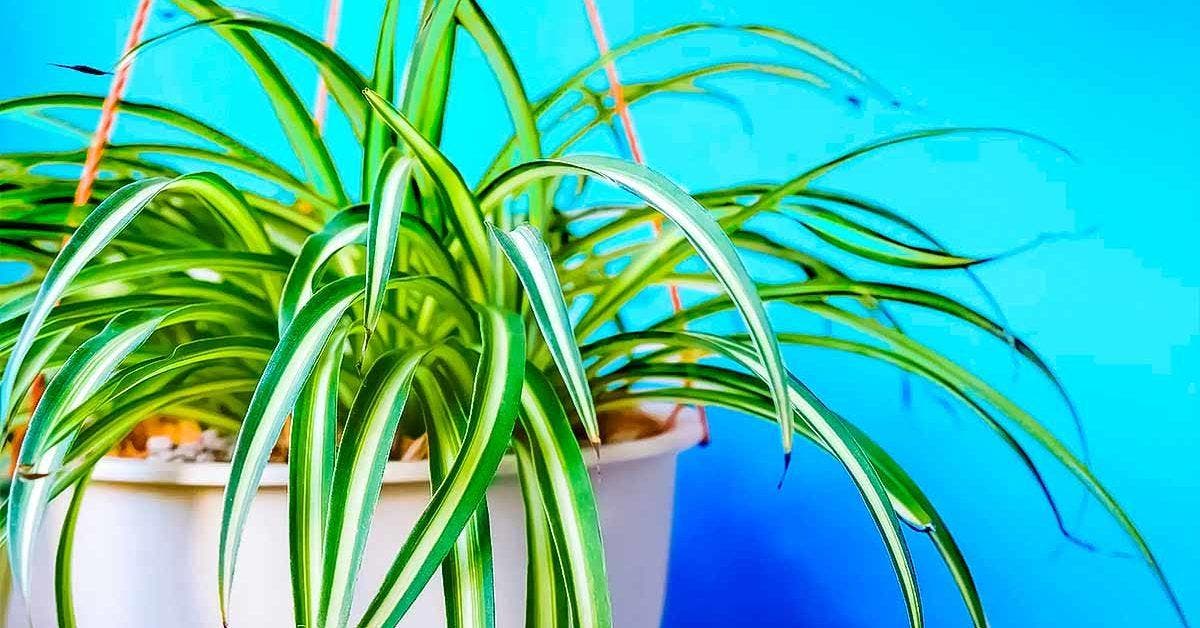
Commonly known as Chlorophytum comosum, the spider plant is native to South Africa and belongs to the lily family. It earns its name from its thin, long, drooping leaves. This easy-to-maintain indoor plant is notable for its roots, which can store a significant amount of water.
While it’s chosen for its aesthetic appeal, the spider plant’s true value lies in its ability to combat humidity issues at home. It purifies the air, removing harmful substances like carbon monoxide, nitrogen dioxide, formaldehyde, toluene, benzene, and xylene. Essentially, this plant acts as a natural dehumidifier—so why not include it in your space?
Spider Plant Care: Maintenance, Watering, and Exposure
The spider plant is easy to care for, perfect for those without a green thumb. However, to encourage the growth of its lovely white star-shaped flowers in spring and summer, you’ll need to provide the right conditions.
Where to Place the Spider Plant?
Resilient and adaptable, the spider plant thrives in various indoor temperatures, ideally between 7°C and 18°C. It requires bright light but should avoid direct sunlight. The humidity of bathrooms can be beneficial, as long as there’s some brightness. The more humid your environment, the brighter and more vibrant its foliage will be.
How Often to Water the Spider Plant?
Since the spider plant stores water in its roots, overwatering can drown it. Moderate watering during spring and summer is sufficient; just ensure the soil remains moist. In autumn and winter, let the soil dry out a bit between waterings. Also, avoid leaving excess water in the saucer to prevent root rot.
Proper Care for Spider Plants
Though low-maintenance, keep an eye on your spider plant’s growth. Regularly clean its leaves with a soft, damp cloth to improve light infiltration. Fertilize with a liquid fertilizer for green plants from spring to autumn, about twice a month. In winter, you can stop fertilizing.
If the tips of the leaves become dry, trim them along with any dead stems, as this indicates the air may be too dry and the plant needs more humidity.
When to Repot the Spider Plant?
As spider plants grow quickly, they may become root-bound. If you notice roots reaching the edges of the pot, it’s time to repot. Ideally, do this every spring. Here’s how:
- Choose a larger pot for more space.
- Fill the pot with well-drained soil, adding clay balls at the bottom for better drainage.
- Partially cover the pot with substrate.
- Place the plant in the pot, add necessary potting soil, and then water it.
Conclusion
The spider plant not only combats excess humidity but also adds a lush aesthetic touch to your living space. Embrace this versatile plant to enhance both your home’s atmosphere and its beauty!