How Spider Plants Absorb Humidity in Your Home
Dealing with excessive humidity in your home can be a persistent challenge. Despite trying various remedies, the humidity seems to persist. However, there’s a natural solution to this problem that often goes overlooked. Certain plants, like the spider plant, not only beautify your interior but also help absorb excess humidity. Let’s explore how.
Understanding the Spider Plant’s Humidity Absorption
The spider plant, scientifically known as “Chlorophytum comosum” or phalangea, hails from South Africa and belongs to the liliaceae family. Its distinctive thin, hanging leaves give it its name. This indoor plant is prized for its aesthetic appeal and its ability to enhance interior spaces. Beyond its decorative value, the spider plant is renowned for its capacity to combat humidity issues by purifying the air. It effectively removes pollutants such as carbon monoxide, nitrogen dioxide, formaldehyde, toluene, benzene, and xylene, acting as a natural dehumidifier. With its water-storing roots, it contributes to maintaining balanced humidity levels in your home.
Spider Plant Care: Watering, Placement, and Maintenance
Caring for a spider plant is relatively straightforward, making it an ideal choice even for those without a green thumb. However, providing the right conditions is crucial for its well-being and flowering potential.
Placement: Spider plants are resilient and can adapt to a wide range of indoor temperatures throughout the year. Ideally, they thrive in temperatures between 7°C and 18°C. While they require bright light, direct sunlight should be avoided. They can flourish in the humidity of bathrooms, provided the room receives adequate light, with more humid environments resulting in vibrant foliage.
Watering: Spider plants store water in their roots, eliminating the need for frequent watering. Moderate watering during spring and summer, ensuring the soil remains moist, is sufficient. In autumn and winter, reduce watering frequency, allowing the soil to dry out between waterings. Avoid leaving excess water in the saucer to prevent root rot.
Maintenance: While spider plants don’t demand constant attention, periodic maintenance ensures their health and vitality. Clean the leaves with a soft, damp cloth to remove dust and improve light absorption. Fertilize the plant twice a month during the growing season with a liquid fertilizer for green plants, ceasing fertilization during winter. Trim dry leaf tips and dead stems, indicating low humidity levels.
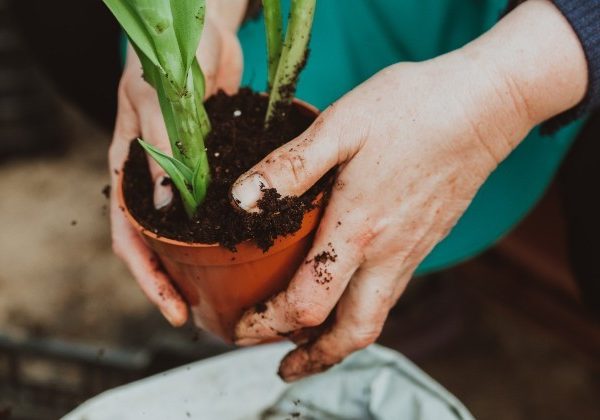
Repotting: Spider plants can outgrow their pots quickly. If you notice roots reaching the pot’s edges, consider repotting in a larger container, ideally during spring. Follow these steps for repotting:
Choose a larger pot with well-drained soil, adding clay balls for better drainage. Partially fill the pot with substrate. Place the plant in the pot, adding soil and watering it.
In conclusion, the spider plant not only serves as a natural solution for excess humidity but also adds a decorative touch to your living space. With proper care and maintenance, it thrives and contributes to a healthier indoor environment.