Discover easy methods to propagate orchids in your own home. Not all orchid varieties are equally suited for reproduction, but here’s a guide to propagation methods suitable for all types.
Orchids are classified into two types: Monopodial, which grows vertically from a single point and is challenging to propagate (examples include Angrecum, Phalaenopsis, Vanda, Gastrochilus, and Airangis); and Sympodial, which spreads horizontally with multiple growth points along its roots, making it easier to propagate (such as Cattleya, Cymbidium, Cambria, and Oncidium). Understanding your orchid’s type is crucial for successful propagation.
Propagation via Keikis (Baby Orchids) or Side Shoots:
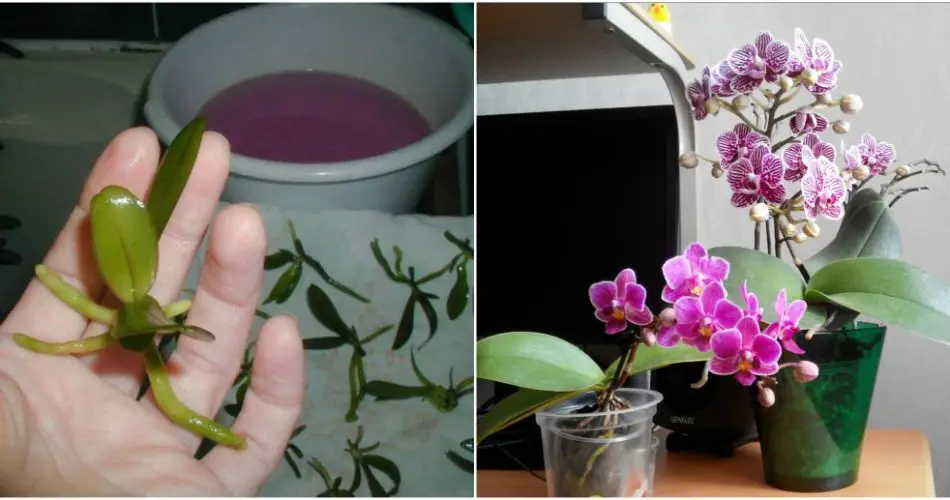
Popular with orchids like Calanthes, Tolumnias, Catasetums, Dendrobiums, and Phalaenopsis. Baby shoots develop along the flower stem of Phalaenopsis, growing roots and leaves before being carefully cut and replanted in separate pots. For sympodial orchids, wait until new bulbs form before transplanting, ensuring delicate handling to avoid damage.
Propagation via Stem Cuttings:
Ideal for sympodial orchids, where 10 cm shoots with at least 3 buds are cut. Treat the cut ends with activated charcoal and rest for 3 days before planting in sphagnum moss, covered with cling film. Maintain a temperature of around 20 degrees Celsius and ensure ventilation for new growth within a couple of months. Monopodial orchids can also be propagated similarly using water with added fertilizers instead of moss, ensuring constant moisture and trimming the stem tip periodically to prevent rot.
Propagation via Division of Clumps:
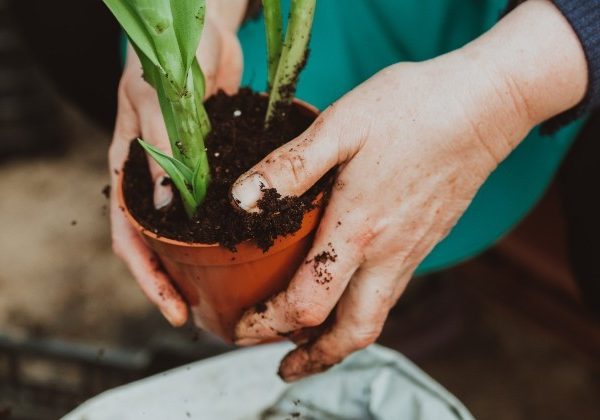
Suitable for sympodial orchids with well-established root systems and pseudobulbs. Use a scalpel to carefully divide clumps, ensuring each division has sufficient roots and pseudobulbs for successful transplantation into orchid-specific soil. For monopodial orchids, divide when at least 10 leaves are present, treating cuts with charcoal before planting in moist soil and maintaining humidity for optimal lateral shoot formation.
Seed Propagation:
Primarily conducted in industrial settings due to its complexity and specific requirements.
Experiment with these propagation techniques to enhance your orchid collection. With proper care and attention to each method’s requirements, you’ll soon enjoy the satisfaction of growing your orchids at home. Best of luck!