Roses, with their timeless beauty and fragrance, are a staple in gardens worldwide. Propagating roses from cuttings is a popular technique among gardeners seeking to replicate their favorite varieties. Here, we delve into two effective methods of propagating roses by cuttings and explore planting them in sand for optimal results.
1. Softwood Cuttings:
- Method: Softwood cuttings are taken from young, green stems in late spring or early summer when the plant is actively growing.
- Process: Select healthy stems with no flowers and cut them just below a leaf node. Remove lower leaves, dip the cut end in rooting hormone (optional), and plant in a mixture of sand and potting soil.
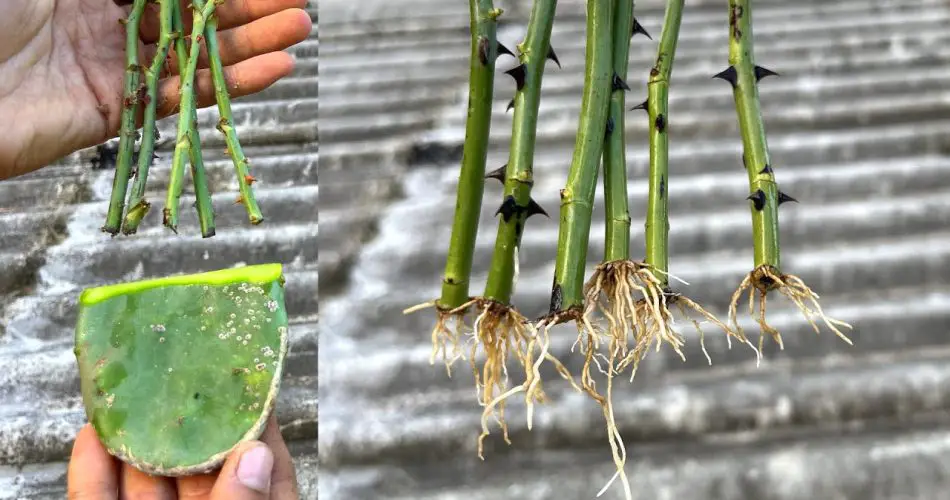
- Results: Softwood cuttings typically root within 4-6 weeks under proper care, producing new plants with robust root systems.
2. Hardwood Cuttings:
- Method: Hardwood cuttings are taken from mature, woody stems in late autumn or winter when the plant is dormant.
- Process: Cut stems into 6-8 inch sections, making a slanted cut just below a node. Plant the cuttings vertically in a trench filled with sand, leaving one-third of the cutting above ground.
- Results: Hardwood cuttings root more slowly, taking 3-6 months to establish roots. However, they are resilient and well-suited for propagating certain rose varieties.
Planting Roses in Sand:
- Method: Planting roses in sand provides excellent drainage and aeration for root development, especially beneficial for rooting cuttings.
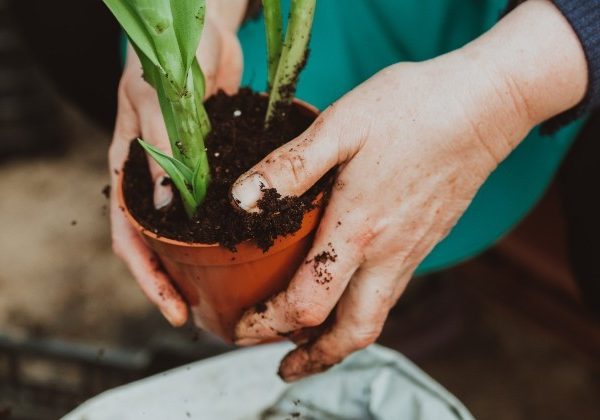
- Process: Prepare a planting area with well-draining sand. Insert prepared rose cuttings into the sand, ensuring nodes are covered and firming the soil around them.
- Benefits: Sand facilitates root penetration and minimizes the risk of rot, promoting healthy root growth and establishment of new rose plants.
Conclusion: Propagating roses by cuttings offers gardeners a cost-effective way to replicate beloved varieties. Whether using softwood or hardwood cuttings, and planting them in sand for optimal growth, these methods ensure successful propagation and vibrant roses in your garden. Experiment with these techniques to expand your rose collection and enjoy the beauty of these timeless flowers year-round.